A while ago, one of our friends reached out to us with a travel-related question. He’s not a frequent traveler and was headed out of town for a quick weekend. He wanted to bring a carry-on bag with him but was concerned that the airline might make him check the bag at the gate.
His question was simple: Is there any way to know in advance if the airline will likely gate-check bags?
When I first heard the question, I answered, “It depends.”
But there are several things you can do to improve your chances of finding space in the overhead bins.
Get a Co-Branded Credit Card
One of the easiest ways to improve your odds is to have the airline’s co-branded credit card.
With Delta, American, and United, most co-branded cards offer some form of earlier boarding (or other baggage-related perks) that can help you get on the plane sooner—before the overhead bins fill up.
Two important caveats:
- Make sure your frequent flyer number is attached to the reservation. If the airline doesn’t “see” you as a cardmember, you might not get the boarding benefit.
- Not every benefit applies to every fare or every card. Airlines tweak rules all the time, so treat this as a strong advantage—not a guarantee.
Pay for Priority Boarding or Seats
If you don’t have a co-branded credit card, there are still ways to improve your boarding position.
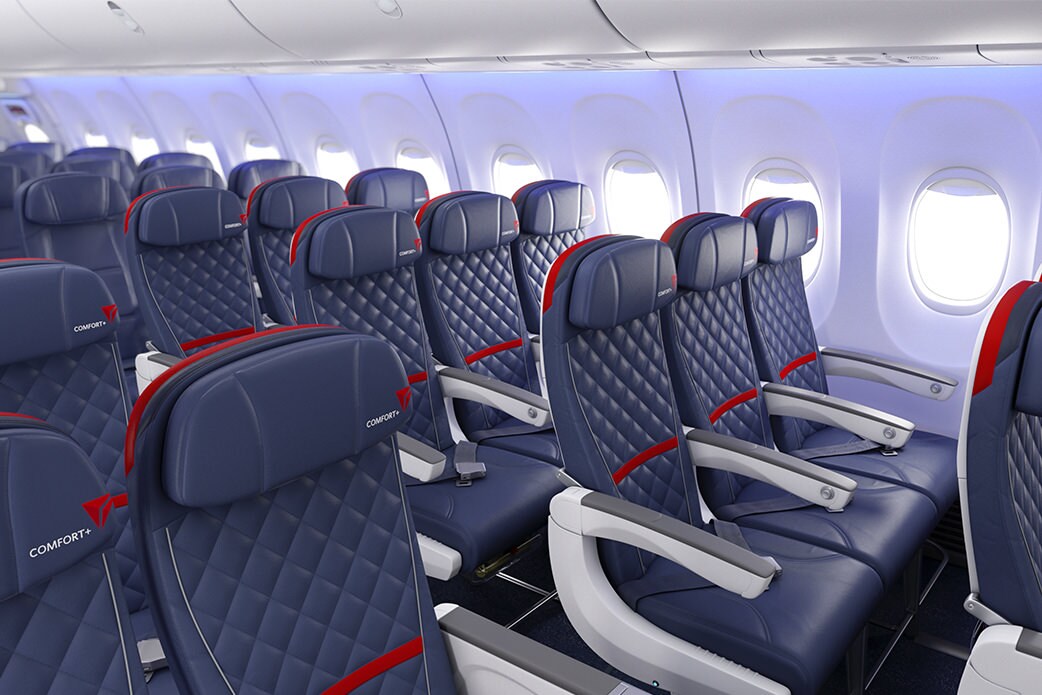
If you pay for extra-legroom seats (like Main Cabin Extra or Comfort+), you’ll often board earlier than standard economy passengers. Or you can sometimes buy an explicit boarding add-on (like United’s Priority Boarding option).
One quick note: some airlines sell “preferred” seats that are mainly about location (like closer to the front), but they don’t always come with earlier boarding. So if your goal is overhead bin space, confirm what your purchase actually includes.
Check To See How Full The Plane Is
This is by no means a perfect method, but you can look the night before your flight and check the seating chart.
If there are still a bunch of seats open, there’s a better chance the flight isn’t completely full—which usually means less competition for overhead space.
Of course, this isn’t definitive. Airlines can hold back seats for families, elites, irregular operations, and last-minute changes. And with some “basic” fares, seats may not show up until after check-in (or even at the gate). I’ve seen a half-empty seat map turn into a full plane just hours before departure.
If you depend on this method, plan for the possibility that you’ll still be asked to gate-check your bag.
Ensure Your Bag Meets Size Limits
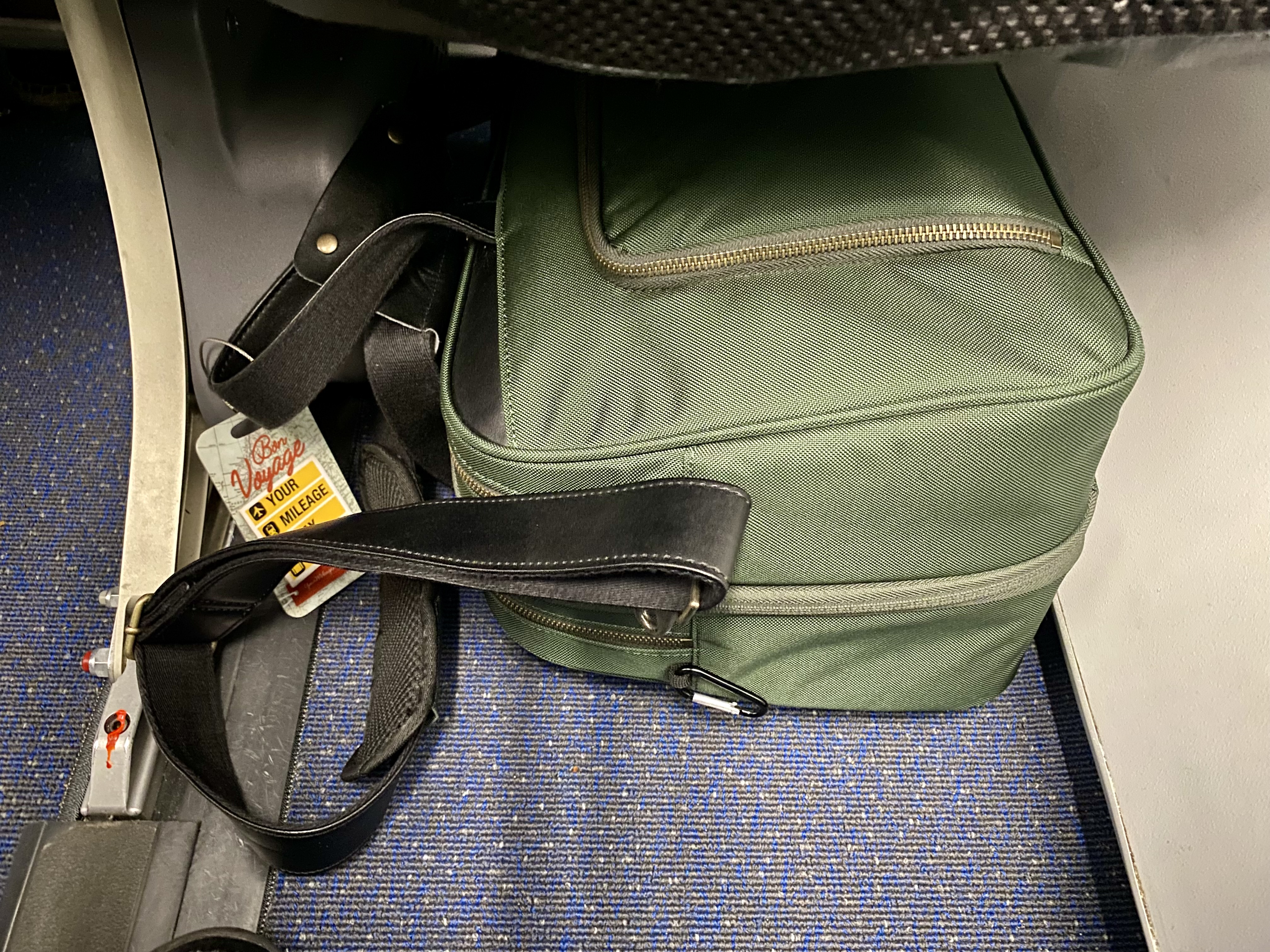
Every airline has different requirements for carry-on bags and the size of a personal item. Here’s our list of the requirements for U.S.-based airlines.
If your bag is clearly within the requirements, the gate agents are often more willing to let you bring it aboard than if it looks oversized. (That said, be prepared if you’re told your bag is too large to fit in the overhead bin—even when it probably would.)
If you’re looking for a bag that fits under the seat in front of you, check out this carry-on bag that usually fits those requirements.
Know Your Aircraft
Not all planes have the same amount of overhead space.
Smaller aircraft (especially regional jets) can have tighter bins—sometimes tight enough that even people in good boarding groups will be asked to “valet check” standard roll-aboards. If you’re on a small plane, bring a bag that can fit under the seat if you really want to avoid being separated from it.
Understand The Passenger Mix On Your Plane
The passenger mix on your flight can make a huge difference in overhead space.
If you’re on a flight full of frequent travelers trying to get home on a Friday afternoon, it’s likely there’ll be a lot of people boarding early—many carrying maximum-sized roll-aboards.
If you’re flying to Orlando on a Saturday morning, it’s more likely you’ll be traveling with families whose carry-ons are smaller (and sometimes checked bags are more common). That kind of flight can have more overhead space available.
Final Thoughts
Securing overhead bin space often requires planning ahead or paying extra—whether by having airline status, a co-branded credit card, or purchasing an option that gets you on the plane earlier. While smaller bags and less crowded flights can improve your chances, there’s no guarantee.
If you want to avoid surprises, double-check your bag’s size, arrive at the gate early, and have a backup plan in case you’re asked to gate-check. Sometimes, preparation can make all the difference in ensuring a smoother travel experience.
Want to comment on this post? Great! Read this first to help ensure it gets approved.
Want to sponsor a post, write something for Your Mileage May Vary, or put ads on our site? Click here for more info.
Like this post? Please share it! We have plenty more just like it and would love it if you decided to hang around and sign up to get emailed notifications of when we post.
Whether you’ve read our articles before or this is the first time you’re stopping by, we’re really glad you’re here and hope you come back to visit again!
This post first appeared on Your Mileage May Vary