For many travelers departing from the United States, choosing a foreign carrier over a domestic airline isn’t just about getting from point A to point B. It’s about the experience—an experience that often feels distinctly better when flying international airlines. But why do foreign carriers have such an edge in the hearts of U.S.-based flyers? Let’s dive into some of the key reasons.
Why foreign carriers often *feel* better to U.S. flyers
1. Service That Stands Out
One of the biggest draws is the level of hospitality. Many foreign airlines place a strong emphasis on making passengers feel genuinely welcome, not just processed. Cabin crews on airlines like Singapore Airlines, Emirates, and ANA are often praised for being attentive, proactive, and polished—more “how can we help?” than “what do you need?” On our ANA flights, we were checked on regularly throughout the journey in a way that felt natural rather than scripted.
Meanwhile, service on U.S. carriers can feel more variable. Some crews are fantastic, but the overall experience can feel more transactional—focused on getting through the service efficiently rather than creating a consistently warm, memorable flight. And when you’re paying premium-cabin prices (or burning a lot of miles), that difference in tone can really stand out.
2. Preconceptions About U.S. Carriers
Part of the preference for foreign airlines stems from our familiarity with U.S. carriers’ domestic service. Domestic flights in the U.S. are often characterized by tight seating, limited (or paid-for) food options, and a no-frills vibe that can feel more transactional than welcoming. Those day-to-day experiences shape expectations, making it harder to picture the same airline delivering something truly premium once you’re on a long-haul route. And to be fair, the U.S. carriers have invested heavily in their international products—think lie-flat business class cabins like United Polaris, Delta’s Delta One Suites on select widebodies, and newer “suite-style” premium seats appearing on some American long-haul aircraft. On the right route, on the right plane, those products can absolutely go toe-to-toe with many competitors. But perceptions don’t update as quickly as cabins do, and for many travelers, the memory of the domestic experience still colors the decision when a foreign carrier is an option.
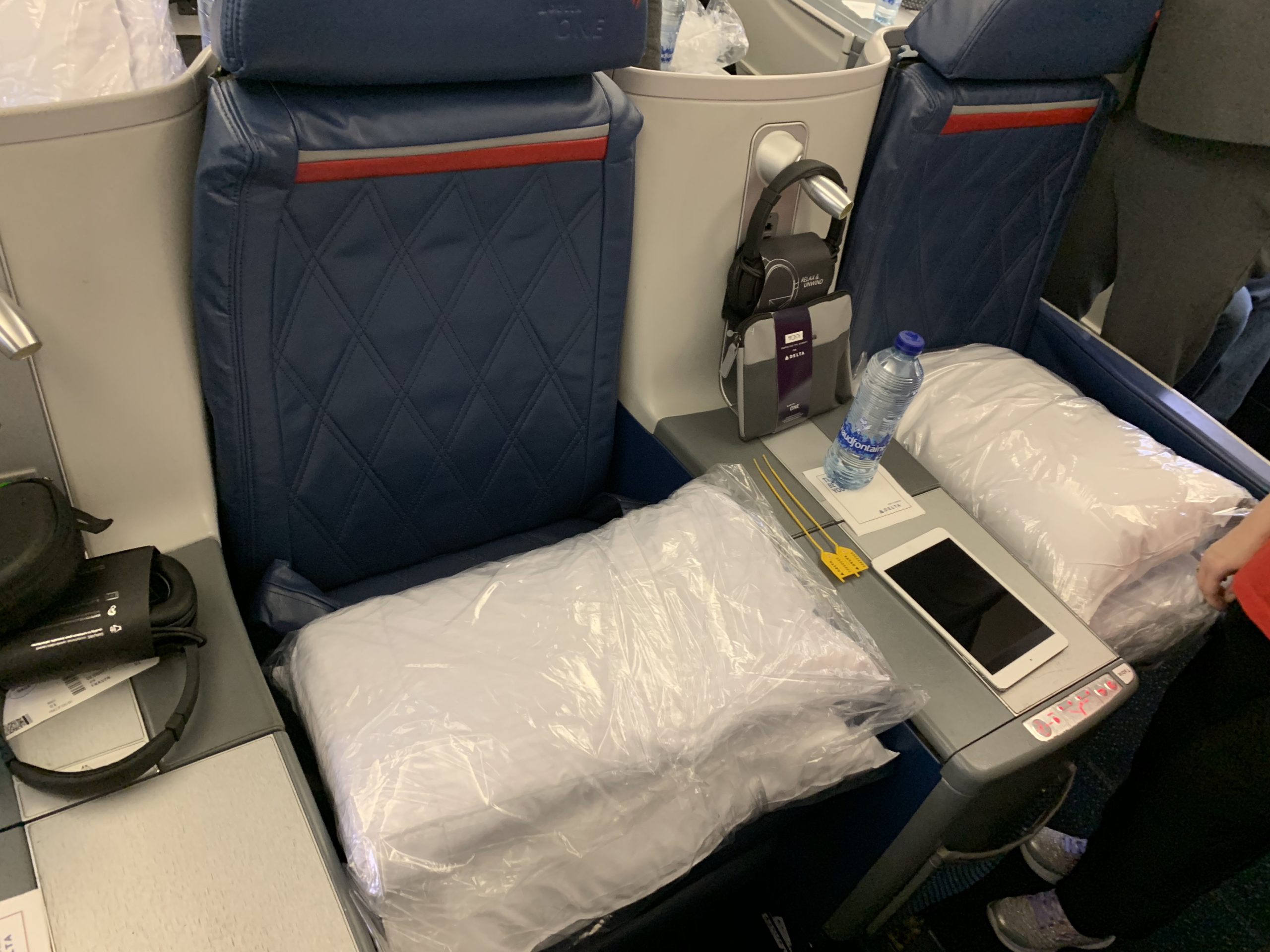
Delta 767 International Business Class Seat – 2019
3. Superior Cabin Comfort
Foreign carriers often excel in cabin design and comfort. Whether it’s the spacious seating in economy, the lie-flat beds in business class, or the ultra-luxurious first-class suites, many international airlines invest heavily in passenger comfort. While I’d rather not spend a long-haul flight in economy, I’d consider it with an airline like Korean Air, Japan Airlines, Emirates or Etihad. Meanwhile, U.S. airlines can sometimes feel a step behind, especially on long-haul routes.
4. Food and Beverage Excellence
Let’s be honest: airline food has a reputation for being underwhelming. However, foreign carriers frequently break this stereotype. Airlines like Turkish Airlines, Cathay Pacific, and Singapore Airlines offer multi-course meals crafted by renowned chefs, regionally inspired dishes, and premium drink selections. We experienced this on our Singapore Airlines flights, where the dining experience felt more like a high-end restaurant than an airplane meal—a testament to the airline’s commitment to excellence. Whether it’s savoring a tea service while en route to the UK or enjoying a flavorful bibimbap on a flight to Korea, foreign carriers create a dining experience that makes you feel your journey has truly begun.
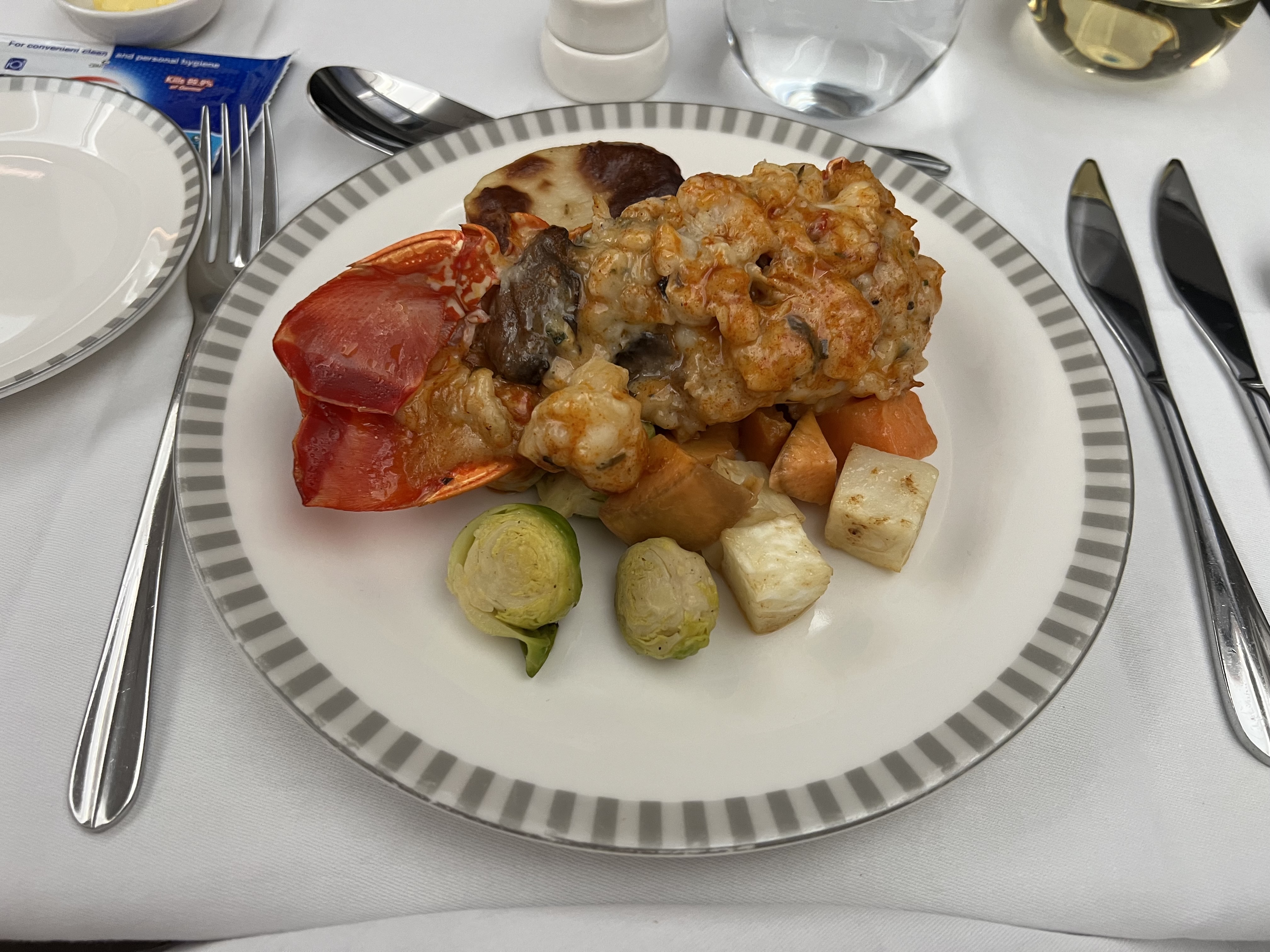
Singapore Airlines’ Lobster Thermidor
5. Global Perspective
Foreign carriers often bring a sense of global culture on board. Whether through their in-flight entertainment selection, which includes a variety of international films and shows, or through the cultural touches in their branding and design, these airlines remind passengers of the adventure awaiting them at their destination.
6. Modern Fleets
Many international airlines tend to have a higher share of newer long-haul aircraft, which can translate into a noticeably better onboard experience. Jets like the Airbus A350 and Boeing 787 are known for quieter cabins, improved cabin pressurization, and higher humidity, which can make you feel less wiped out after a long flight. And it’s not just the airframe — newer planes are also more likely to come with modern features passengers actually notice, like better lighting, updated in-flight entertainment, and more reliable power/USB options.
That said, this isn’t a hard rule. U.S. carriers fly plenty of A350s and 787s too, and some foreign airlines still operate older widebodies. The real differentiator is often which aircraft you’re scheduled on (and whether it’s been refurbished), which is why the same airline can feel dramatically different from one route to the next
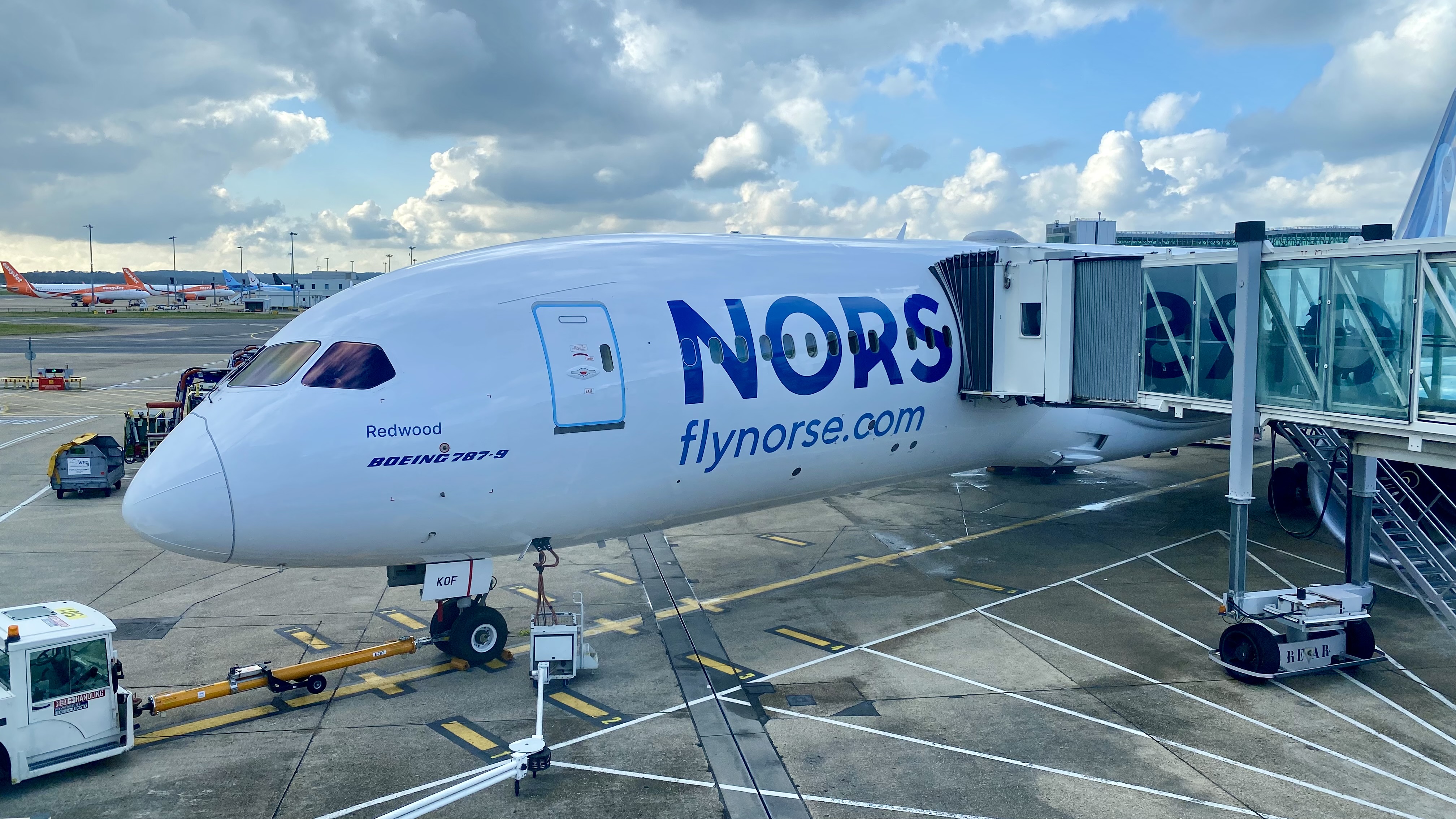
Norse 787 Dreamliner
7. Alliances and Connections
Foreign carriers often make international travel feel smoother thanks to partnerships and alliances. When you’re connecting through an airline’s home hub, everything tends to click into place a little more easily: clearer wayfinding, shorter (and more logical) connection paths, and a better chance that lounges, gate assignments, and baggage transfers are built around the airline’s own operation. In many cases, those alliance ties can also mean better lounge access on eligible itineraries, more consistent through-ticketing, and fewer headaches when you’re hopping from one carrier to another. Airlines with big hub-and-spoke networks—like Turkish Airlines routing travelers through Istanbul—can be especially convenient because they’re designed for connections and offer a huge range of onward flights.
8. Aesthetic Appeal
Let’s not underestimate the power of branding. Foreign airlines often exude a sense of sophistication and elegance in their marketing, cabin design, and uniforms. The visual appeal—from the plane’s livery to the presentation of onboard services—adds to the overall experience.
Final Thoughts
Of course, it depends. Airline experiences can vary wildly based on the exact route, aircraft type, and even the catering station at the departure airport. A “foreign carrier” isn’t automatically better (some are bare-bones, and some premium cabins are showing their age), and U.S. airlines can deliver an excellent long-haul experience when you’re on the right plane with the right crew. The best approach is to judge the specific flight you’re booking—not just the logo on the tail.
That said, while U.S. airlines have made real strides in improving their long-haul offerings, the competition from foreign carriers remains strong. For many travelers, the combination of service, comfort, and cultural touches makes flying a foreign airline feel like the start of the trip rather than just a means to an end. Whether you’re sipping champagne at 35,000 feet or enjoying an extra inch of legroom, it’s easy to see why so many of us gravitate toward foreign carriers when given the choice.
Want to comment on this post? Great! Read this first to help ensure it gets approved.
Want to sponsor a post, write something for Your Mileage May Vary, or put ads on our site? Click here for more info.
Like this post? Please share it! We have plenty more just like it and would love it if you decided to hang around and sign up to get emailed notifications of when we post.
Whether you’ve read our articles before or this is the first time you’re stopping by, we’re really glad you’re here and hope you come back to visit again!
This post first appeared on Your Mileage May Vary

2 comments
You make some valid points although one other is saver award availability in premium cabins If you’re booking a foreign airline with AA miles as an example, the only availability will generally be saver space.
To break all this down to the most basic personal level I’d say that while European airlines are generally a little better than domestic, long haul and Asian airlines except ULCC’s are always better. I suspect the latter is a cultural thing.
Agreeing with “Christian” comments pertaining to your post. Throughout my professional career I was fortunate to fly first/Business the difference between foreign flag carriers and US carriers is in most case glaring not only are the planes cleaner, food much better and flight attendants seem happier. On domestic US carriers one usually finds older FA’s some “attitude laden” Last AA flights to Europe once food service was over they disappeared until pre landing snack this more the norm than not. The only exception to this is Aer Lingus.