When we travel, we don’t just look for landmarks or attractions. We look for doughnuts.
Somewhere along the way, trying a local doughnut became a quiet tradition for us. Not because doughnuts are rare or exotic, but because they’re familiar enough to compare—and different enough to reflect where you are.
Food writers have pointed out that doughnuts are often a mirror of local culture. As one culinary writer noted, “Doughnuts are never just doughnuts — they’re a reflection of what a place values in breakfast, indulgence, and tradition.” That feels exactly right.
You can learn a lot about a place by how it handles something as simple as fried dough and sugar.
Famous Doughnuts vs. Neighborhood Doughnuts
Sometimes that means stopping at places everyone knows.
We’ve tried Doughnut Plant in New York and Voodoo Doughnut in New York, Portland and Orlando—names that have become destinations in their own right. These shops are fun, bold, and unapologetically creative. They’re part of the travel experience, the same way visiting a famous deli or iconic pizza joint is.
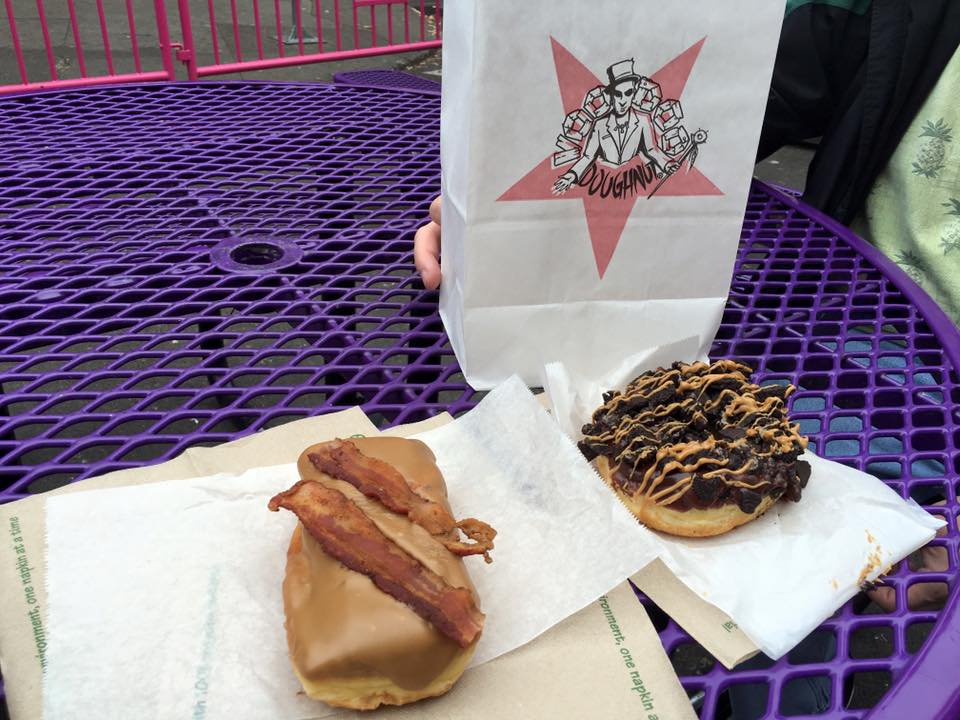
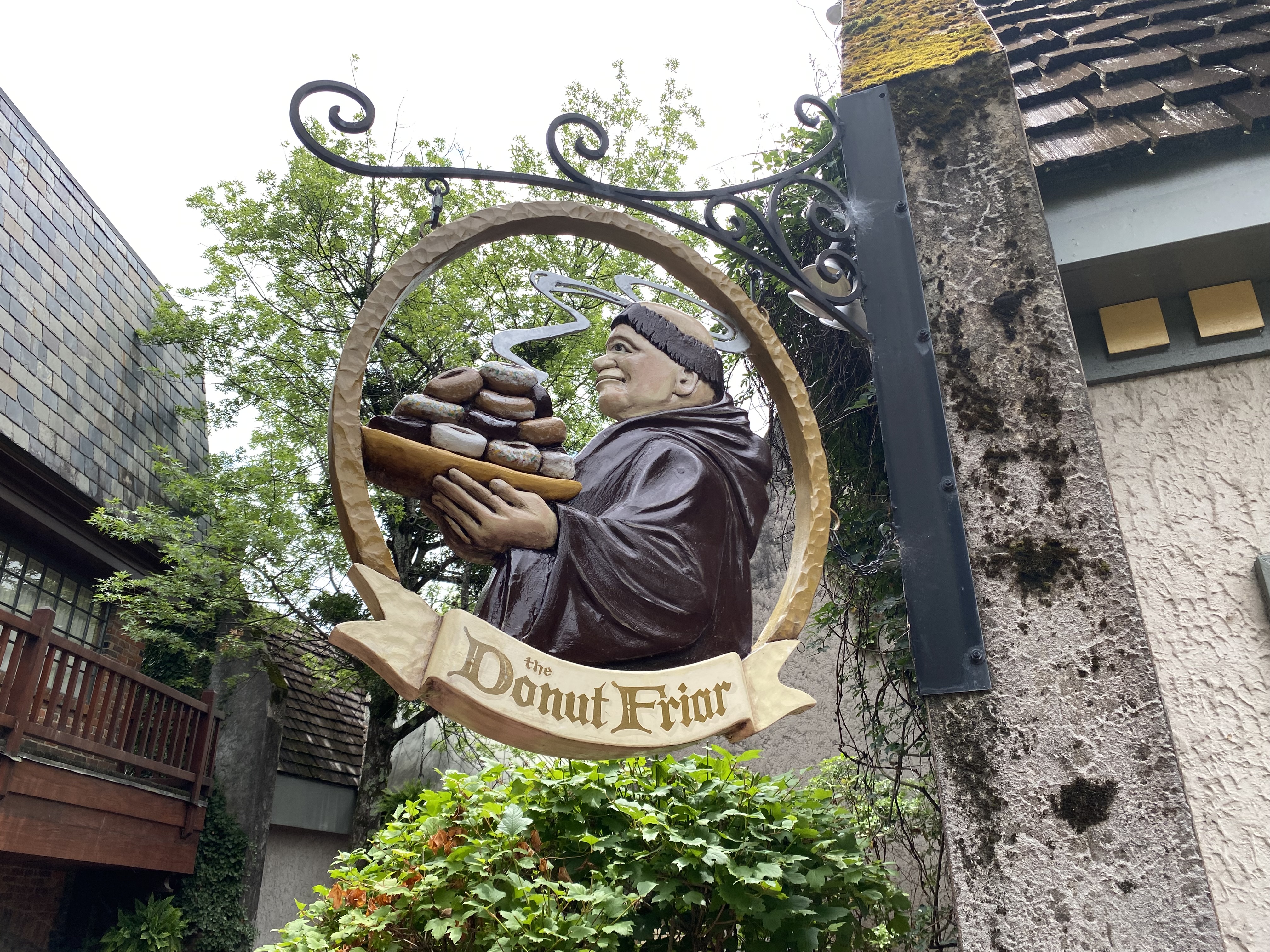
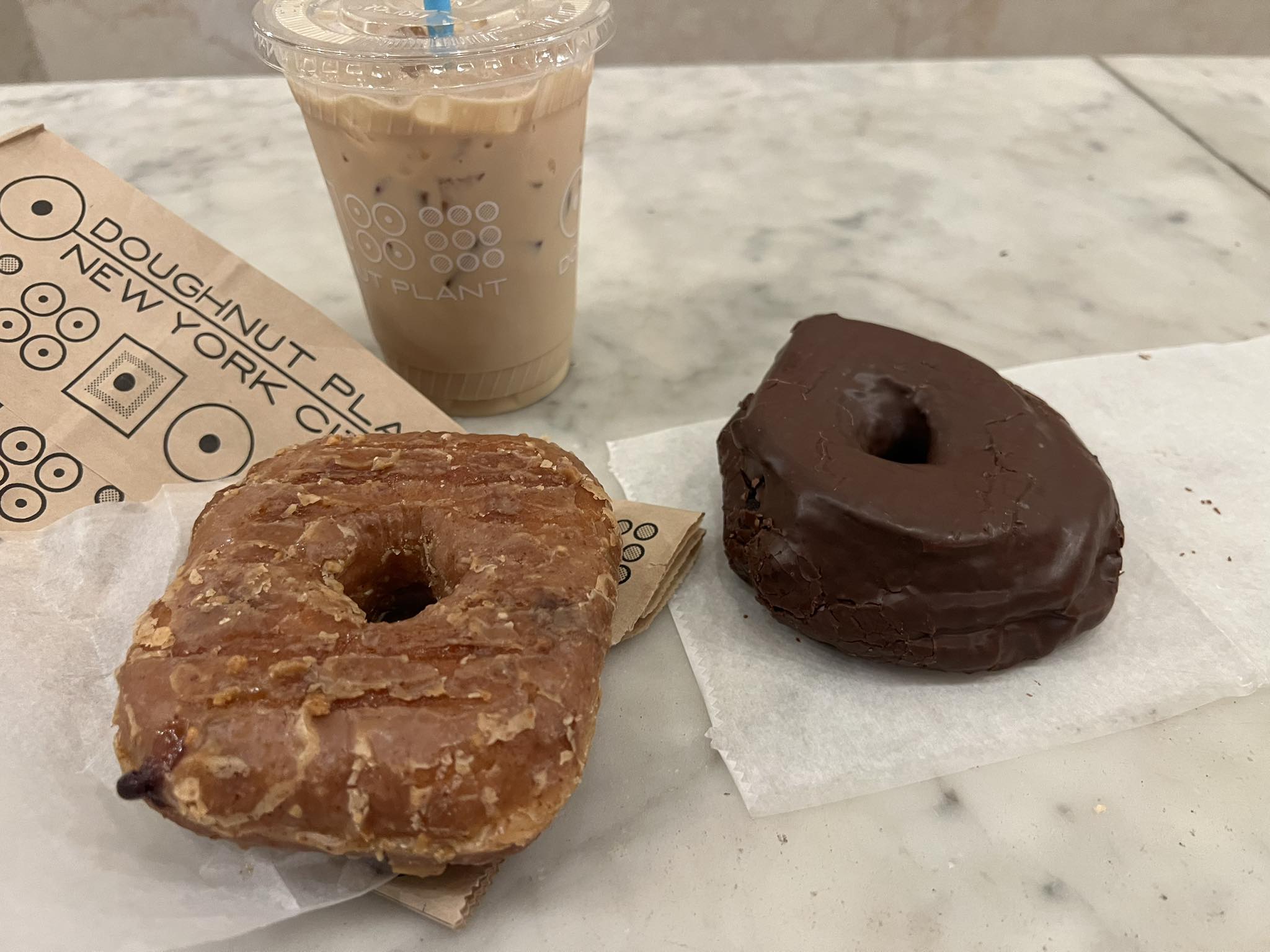 But just as often, the doughnut stop is completely local. The kind of place where the menu board hasn’t changed in years, the staff already knows what’s popular, and the display case tells you everything you need to know.
Those places tell a different story. Less about innovation, more about habit. What people actually eat on a normal morning.
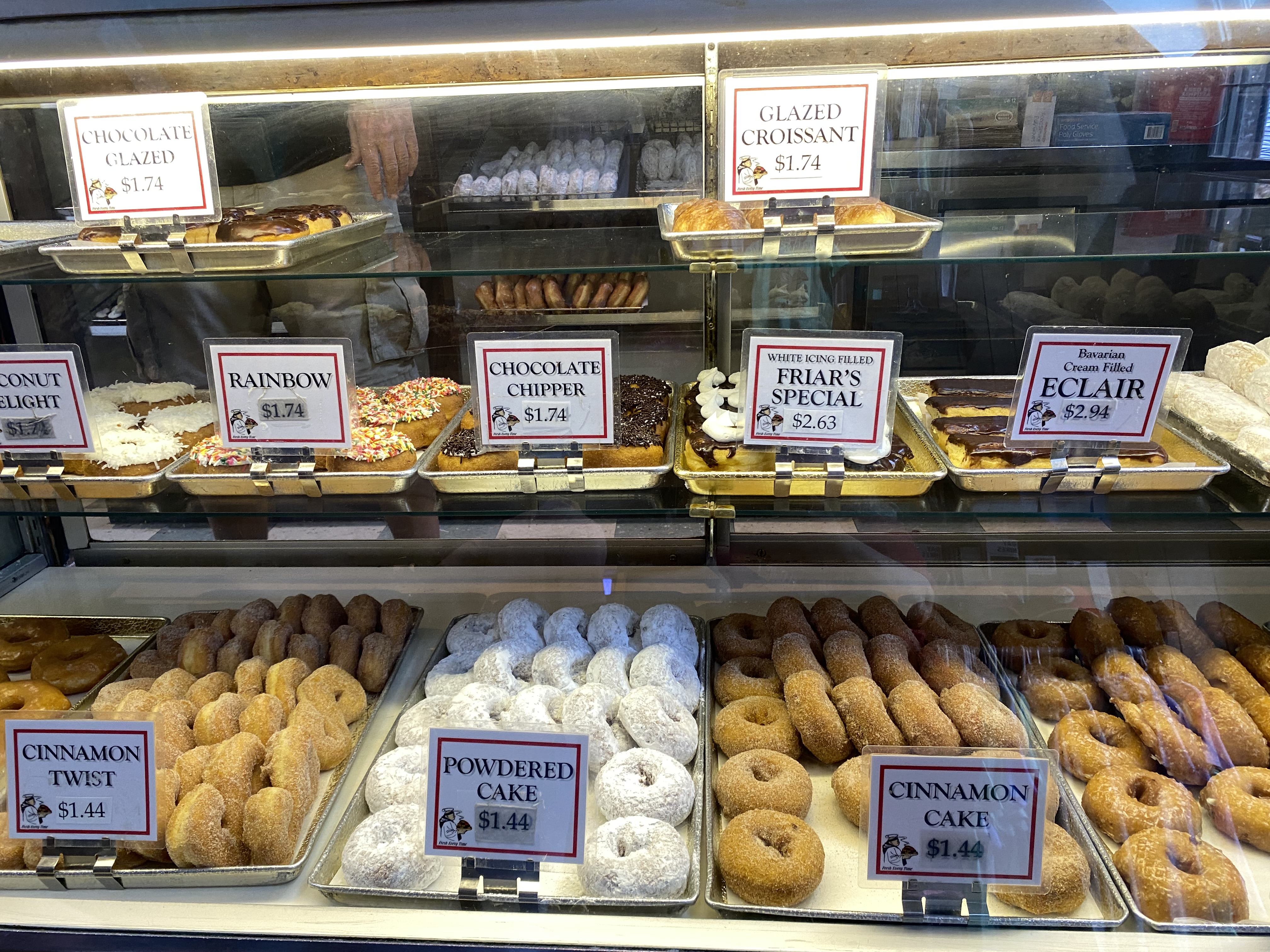
Texas Kolaches Count (Even If They’re Not Doughnuts)
In Texas, that story often includes kolaches.
They’re not technically doughnuts—but culturally, they absolutely count. Kolaches sit right alongside glazed doughnuts in Texas bakeries, and nobody questions it. They’re breakfast. They’re normal. They’re expected.
And what’s funny is that it doesn’t even matter where you are in Texas. You can be at Buc-ee’s off the interstate or standing in the middle of the state’s kolache “epicenter,” and the result is the same: they’re everywhere.
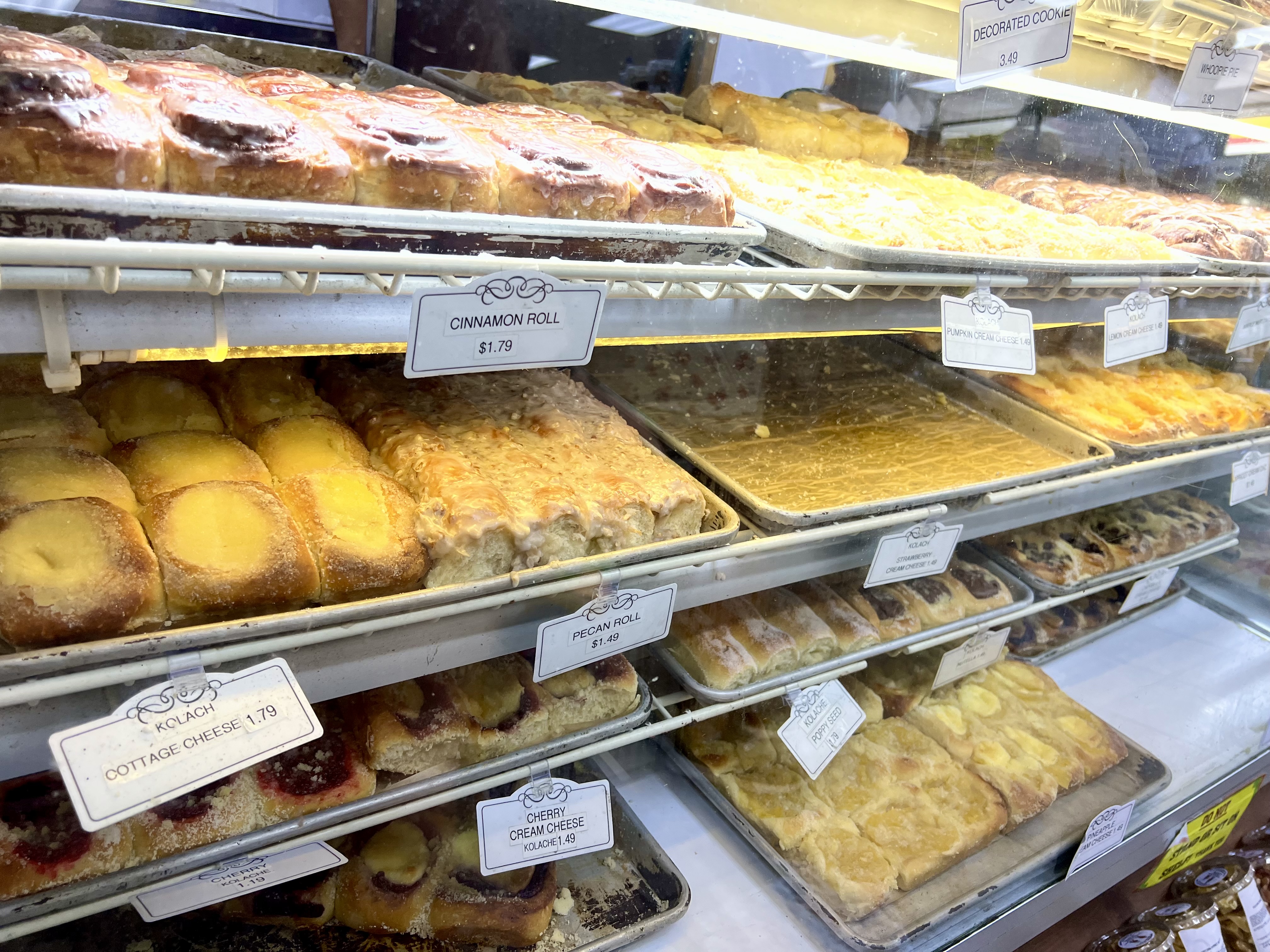
Part of that is tradition. Czech immigrants who settled in Central Texas in the 1800s brought kolaches with them, and the pastry stuck—adapting over time into the savory, road-trip-friendly version most people think of today.
But it’s also practicality. Kolaches are filling, portable, and easy to eat one-handed in a car—exactly what a morning pastry should be in a state built around long drives. Once something checks both boxes—tradition and usefulness—it stops being a specialty and becomes the default.
Japan’s Answer: Cream Puffs Instead of Doughnuts
Japan offered a completely different version of the same idea.
Instead of doughnuts, it was cream puffs. Light, airy, and carefully packaged—often eaten on a train between stops rather than standing in line at a shop.
It wasn’t about excess or novelty. It was about balance. Sweet, but restrained. Indulgent, but not overwhelming.
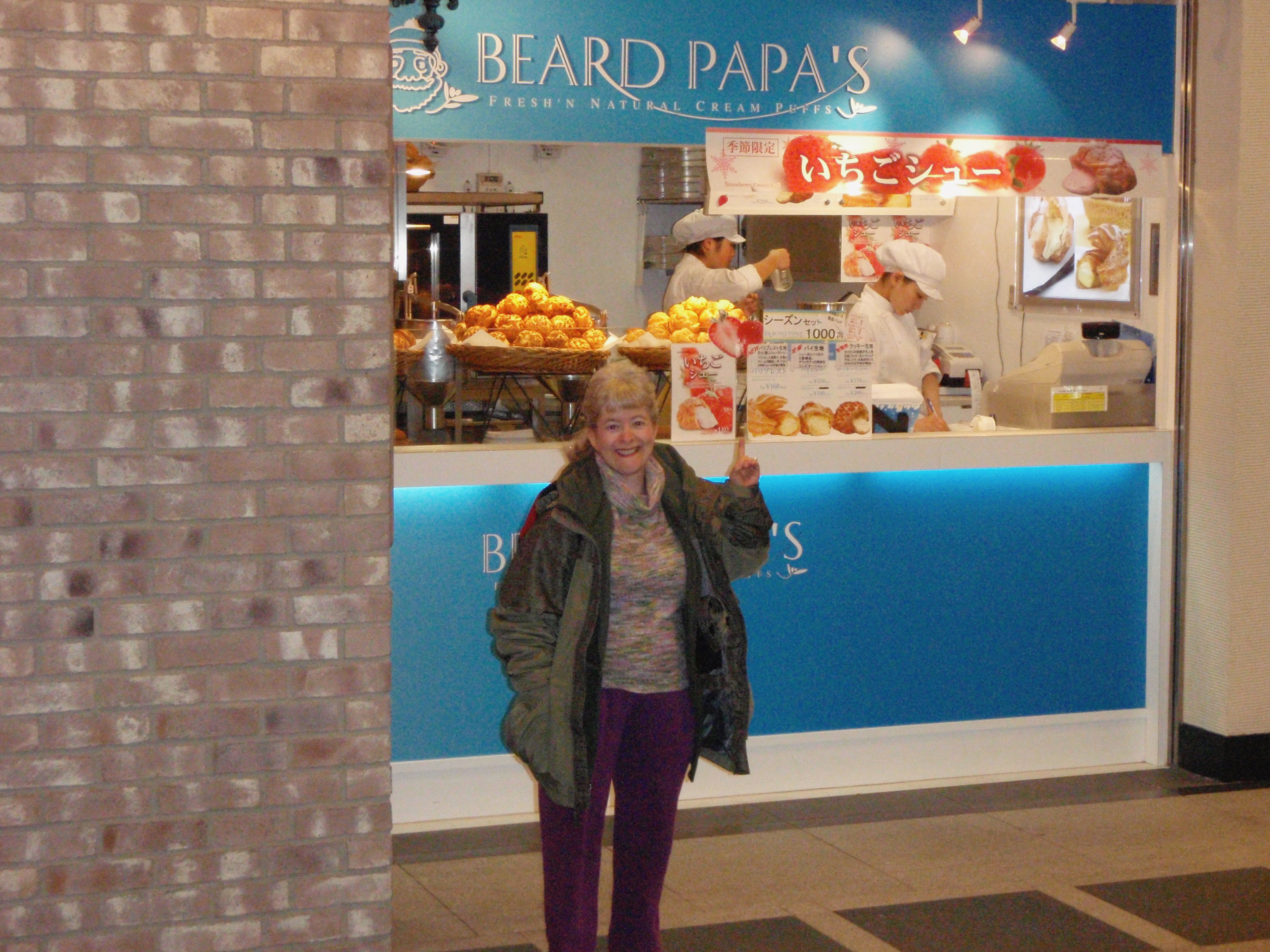
Japan does have doughnut shops, of course. But a lot of what we saw felt familiar—think the same general styles you’d recognize from the U.S., even if the presentation is a little more polished.
The cream puffs, on the other hand, felt like a more interesting twist on the concept. Not uniquely Japanese, exactly—but a different local “default” for a quick treat. Different country. Different approach. Same instinct: a small indulgence that fits seamlessly into daily life.
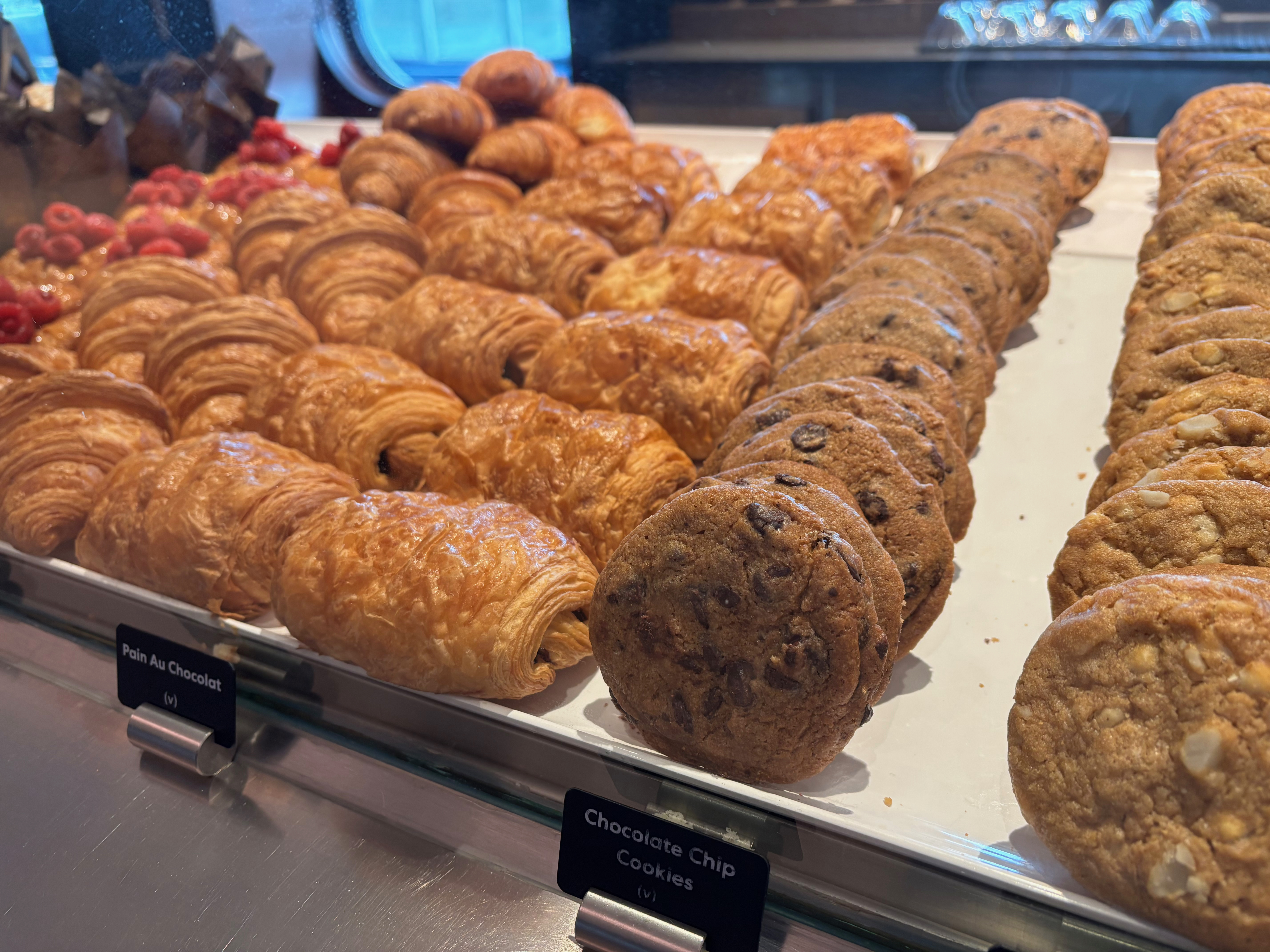
Where It Really Started: Chocolate Croissants in Paris
Looking back, this habit didn’t actually start with doughnuts.
It started in Paris.
On our first trip, I became obsessed with getting a chocolate croissant every morning. Not from the same bakery—just a bakery. Whatever was nearby. Whatever was open.
I couldn’t even pronounce pain au chocolat correctly. I definitely wasn’t ordering it confidently. But that didn’t stop me.
Somehow, getting that pastry every morning became grounding. Familiar. A small constant in a city that felt huge and overwhelming at the time.
Food writers often note that travel rituals matter because they create emotional continuity. That daily chocolate croissant did exactly that—and everything since has followed the same pattern.
Final Thought
Trying doughnuts when we travel isn’t a checklist item or a quest for the “best” anything. It’s a small, repeatable way to connect with a place—one bite at a time.
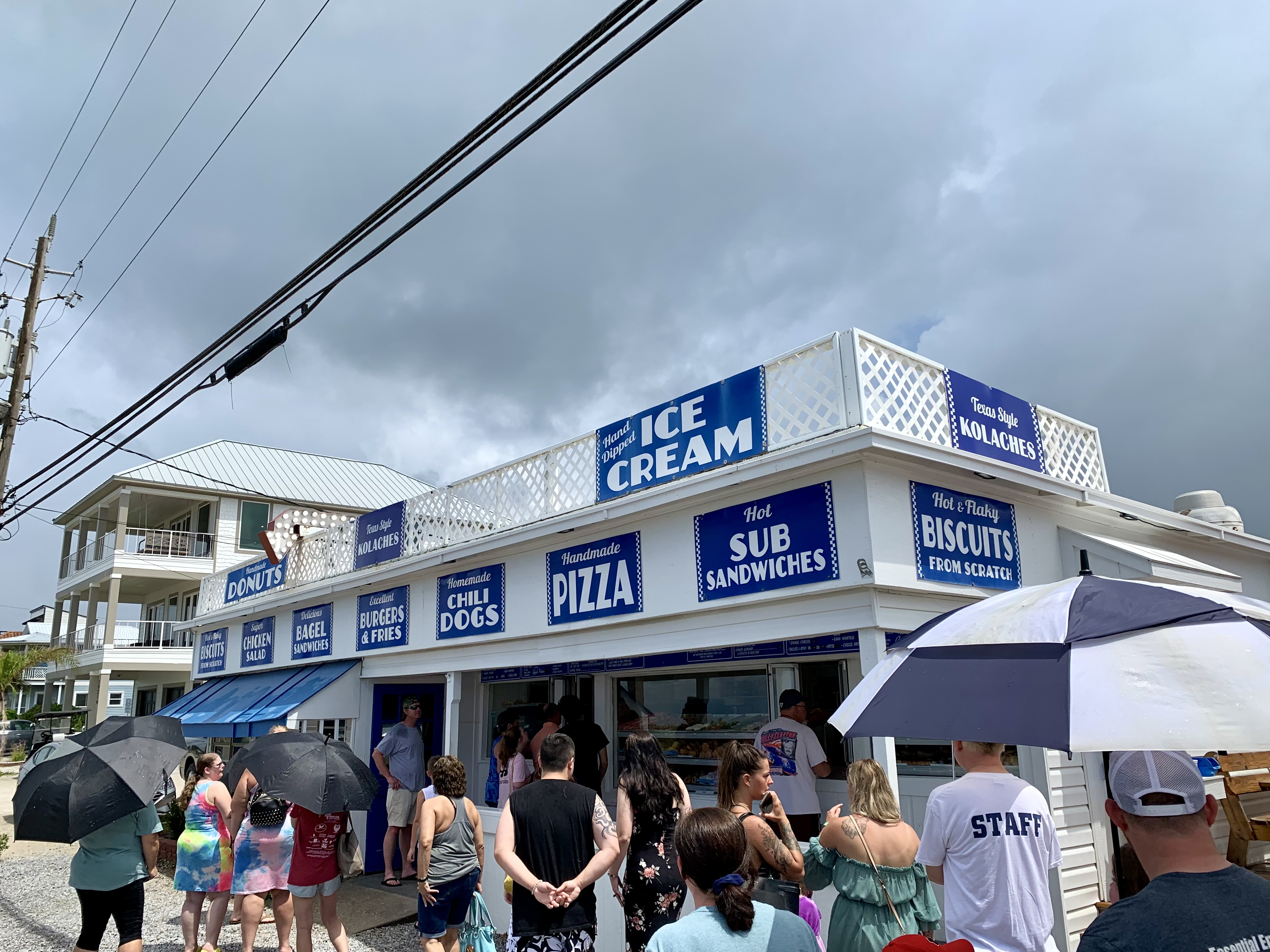
Whether it’s a famous shop that’s become part of a city’s identity, a no-name local bakery that feeds the neighborhood every morning, a Texas kolache that quietly replaces the doughnut, or a cream puff in Japan, the point is the same. These foods exist because people regularly eat them.
And once you notice that pattern, you start seeing it everywhere.
We may travel for big reasons—but it’s often the smallest rituals that stick with us the longest.
Want to comment on this post? Great! Read this first to help ensure it gets approved.
Want to sponsor a post, write something for Your Mileage May Vary, or put ads on our site? Click here for more info.
Like this post? Please share it! We have plenty more just like it and would love it if you decided to hang around and sign up to get emailed notifications of when we post.
Whether you’ve read our articles before or this is the first time you’re stopping by, we’re really glad you’re here and hope you come back to visit again!
This post first appeared on Your Mileage May Vary