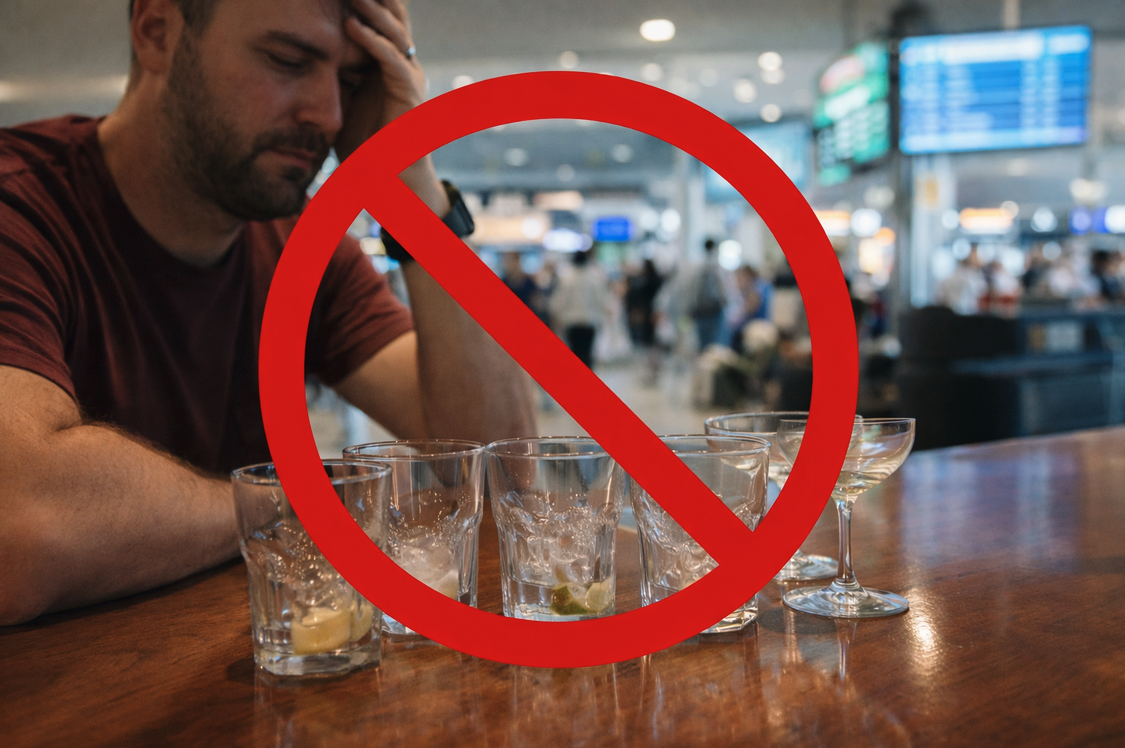
If you’ve ever been stuck on a plane with a fellow passenger who’s had more than one too many, you know how disconcerting it can be. After all, their behavior can run the gamut from intrusive to belligerent to simply unpredictable. Their mood can be silly, happy, angry, or inconsolably sad.
And that’s to say nothing of the physical issues that can happen when someone’s drunk — from balance problems (they could fall… possibly on you) to urinating in inappropriate places (remember the story of this peeing passenger?) to the potential of vomiting (on the floor. On you.), passing out, and the list goes on and on.
The judgment of someone who’s intoxicated can be grossly impaired. And that’s where things can get really dangerous, because someone can be as sweet as pie when they’re sober but could be a safety risk when they’re drunk.
And THAT becomes a particularly major issue when the passenger is aboard a small commercial aircraft.
Why is it a bigger deal in a small plane?
On large commercial aircraft, there’s always a solid barrier between the passengers and the cockpit. But on small planes? Not so much. It could be next-to-nothing… or genuinely nothing at all. And that creates the potential for big problems if a passenger is under the influence.
Therefore, the FAA has issued a new safety rule aimed at smaller commercial flights — specifically charter, air taxi, and similar operations that fly paying passengers under Part 135, along with certain Part 91 flights that operate with special authorization.
The concern is simple: on many small aircraft, passengers sit very close to the pilots and flight controls. In some cases, there’s little to no barrier between the cockpit and the cabin. If a passenger is intoxicated or impaired, that close proximity increases the risk of interference, distraction, or unsafe behavior during the flight.
According to the FAA, passengers who consume alcohol or drugs before boarding pose a greater safety risk on these types of flights. The agency pointed to past aviation accidents where impaired passengers contributed to dangerous situations — either by directly interfering with the controls or by creating serious distractions for the pilots.
The FAA warned that impaired behavior can be unpredictable. It may show up as confusion, unresponsiveness, aggression, or physical disruption — all of which can quickly become a safety issue in a small aircraft.
To reduce these risks, the FAA is requiring affected operators to update their safety management systems. A major part of the change involves pilot training, especially for pilots in command. Pilots must now be trained to recognize signs of intoxication or impairment before a flight begins.
That training will cover how to spot warning signs, communicate concerns, and intervene when necessary — including denying boarding if a passenger appears impaired. Operators must also create clear procedures for handling these situations consistently.
In addition to screening passengers before boarding, operators will need policies aimed at keeping a sober onboard environment. This includes defining acceptable passenger behavior, managing alcohol-related risks, and making sure crew members know how to respond if a situation escalates.
The FAA will also require operators to keep records of any incidents involving impaired passengers that occur despite these precautions. Those records will become part of the operator’s official safety documentation and may be reviewed by regulators.
While large airlines already have strict rules regarding intoxicated passengers, the FAA says this update reflects the unique risks of small aircraft, where pilots and passengers are often only a few feet apart. The goal isn’t punishment, but prevention — reducing risk through training, awareness, and standardized procedures.
Operators will have more than two years to implement these changes before the rule takes effect.
What travelers should know
- This rule mainly affects charter flights, air taxis, and small commercial aircraft, not typical airline flights.
- Passengers may be denied boarding if a pilot believes they are intoxicated or impaired — even before the flight begins.
- Drinking or using drugs before boarding a small aircraft carries a higher risk of being turned away.
- Pilots are being trained to actively watch for signs of impairment, rather than ignoring borderline behavior.
- The goal is safety, not enforcement — especially on flights where passengers sit close to the cockpit.
- If you’re flying on a small plane, it’s best to stay sober before the flight, even if alcohol is normally allowed elsewhere in your travel day.
Want to comment on this post? Great! Read this first to help ensure it gets approved.
Want to sponsor a post, write something for Your Mileage May Vary, or put ads on our site? Click here for more info.
Like this post? Please share it! We have plenty more just like it and would love it if you decided to hang around and sign up to get emailed notifications of when we post.
Whether you’ve read our articles before or this is the first time you’re stopping by, we’re really glad you’re here and hope you come back to visit again!
This post first appeared on Your Mileage May Vary