I saw the photos and assumed they were exaggerated.
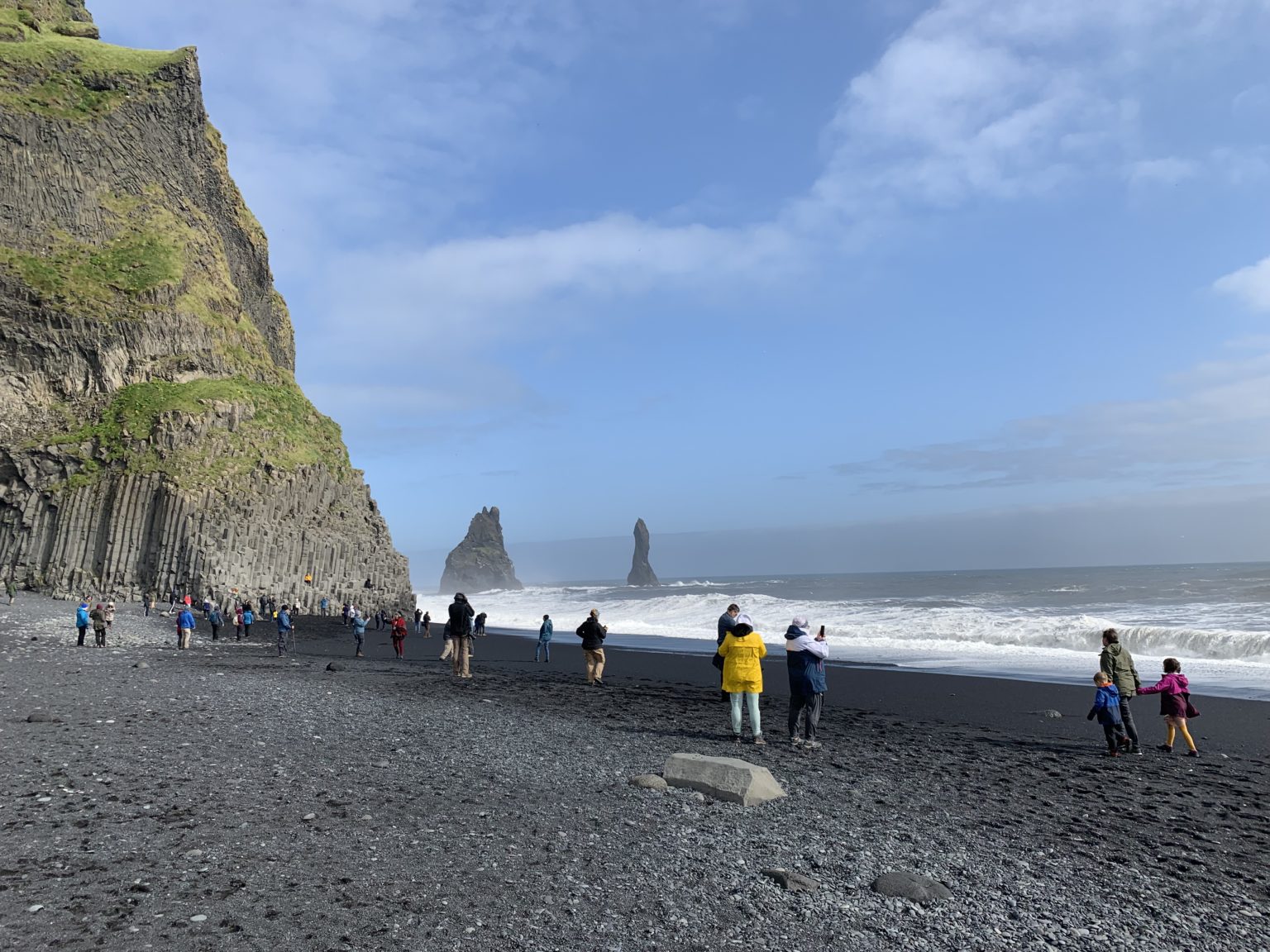
Reynisfjara — Iceland’s famous black sand beach — is one of those places that looks too dramatic to be real. The basalt columns feel ancient. The Atlantic feels loud and permanent. The sea stacks offshore look like they were planted there on purpose.
Then I started seeing posts and news stories claiming that storms had stripped away huge sections of the beach, changing the shoreline so quickly that parts of Reynisfjara looked almost unrecognizable. That’s not just a viral caption — there’s been enough coverage that it made me stop and think. Here’s one example.
Some places don’t disappear slowly
And that’s when it hit me: we talk a lot about places that are supposed to disappear someday. But we don’t talk nearly enough about the places that can change before you even realize you’re on the “before” side of the story.
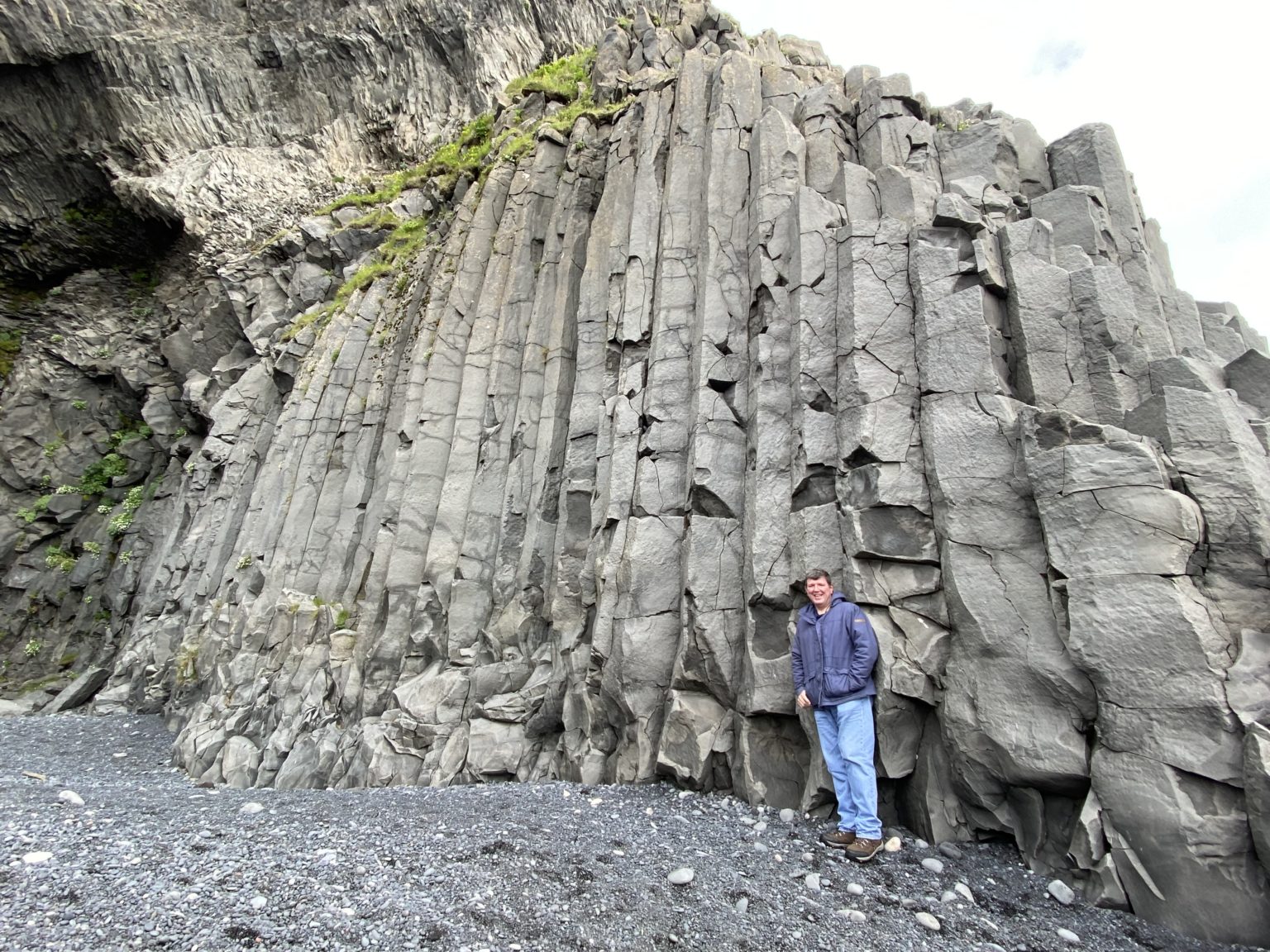
We visited Reynisfjara ourselves (and if you’re planning a trip, here’s my original post with tips and photos of what it looked like then: Visiting Iceland’s Reynisfjara Black Sand Beach). At the time, it felt like a landscape that doesn’t change in any meaningful way. Not in a human lifetime, anyway.
But nature doesn’t work on our travel schedules.
The places everyone expects to change
There are the obvious examples — the places that always show up on those “see it before it’s gone” lists. Glaciers. Coral reefs. Low-lying islands.
Glaciers: the change you can actually photograph
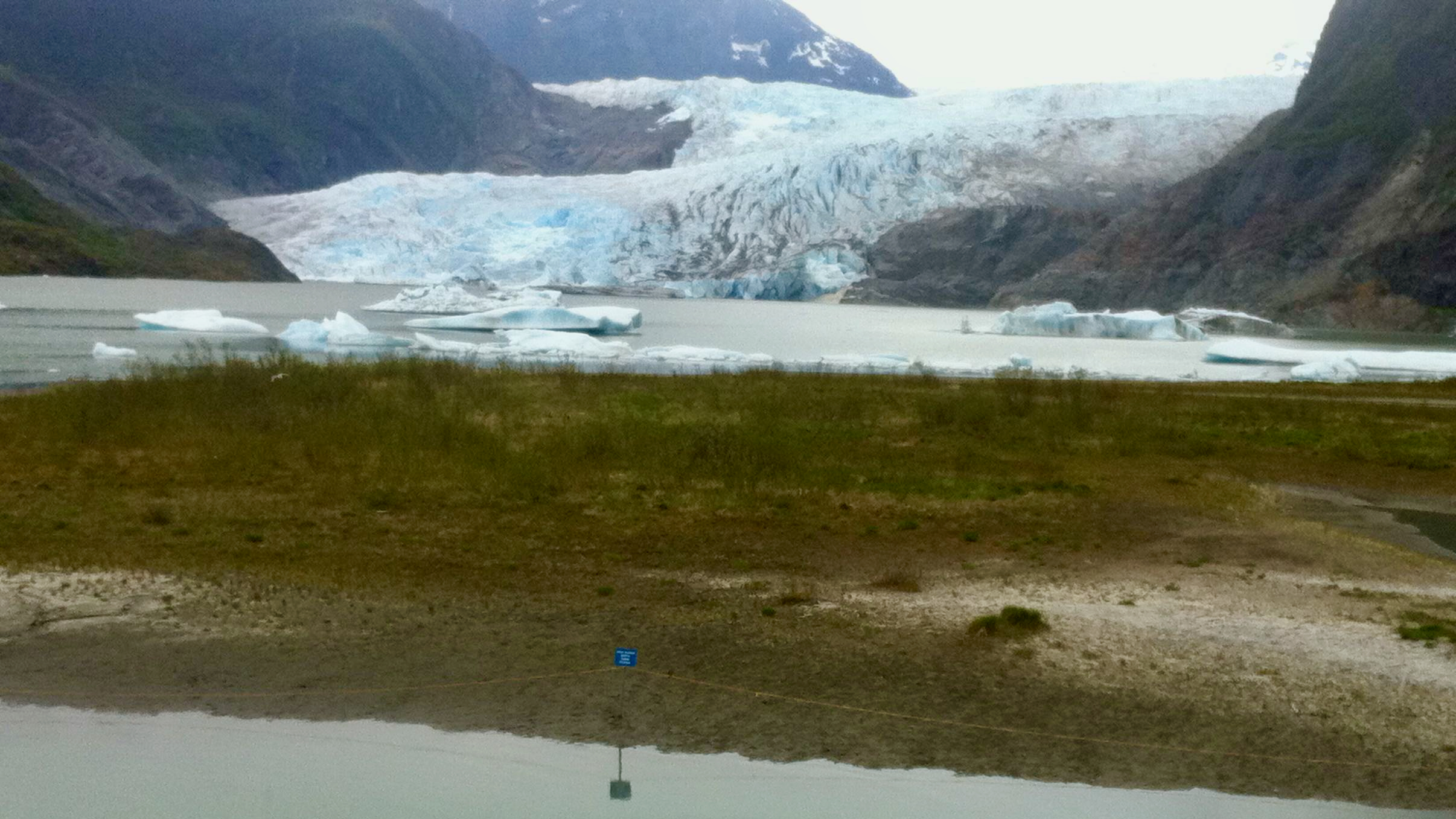
When we visited Alaska, the glacier in front of us didn’t feel like something that could vanish. It felt like a wall of time — huge, cold, and immovable. But glaciers retreat year by year, and the view you get today isn’t guaranteed to be the view you’d get a decade from now.
Reefs: a living landscape
We saw a version of that same idea in the Great Barrier Reef. When we snorkeled there, we weren’t doing a scientific survey — we were just floating above an underwater world full of fish and coral and that quiet, weightless feeling you can’t replicate anywhere else. Reefs are living systems, always changing, …and what you see depends on conditions you can’t control.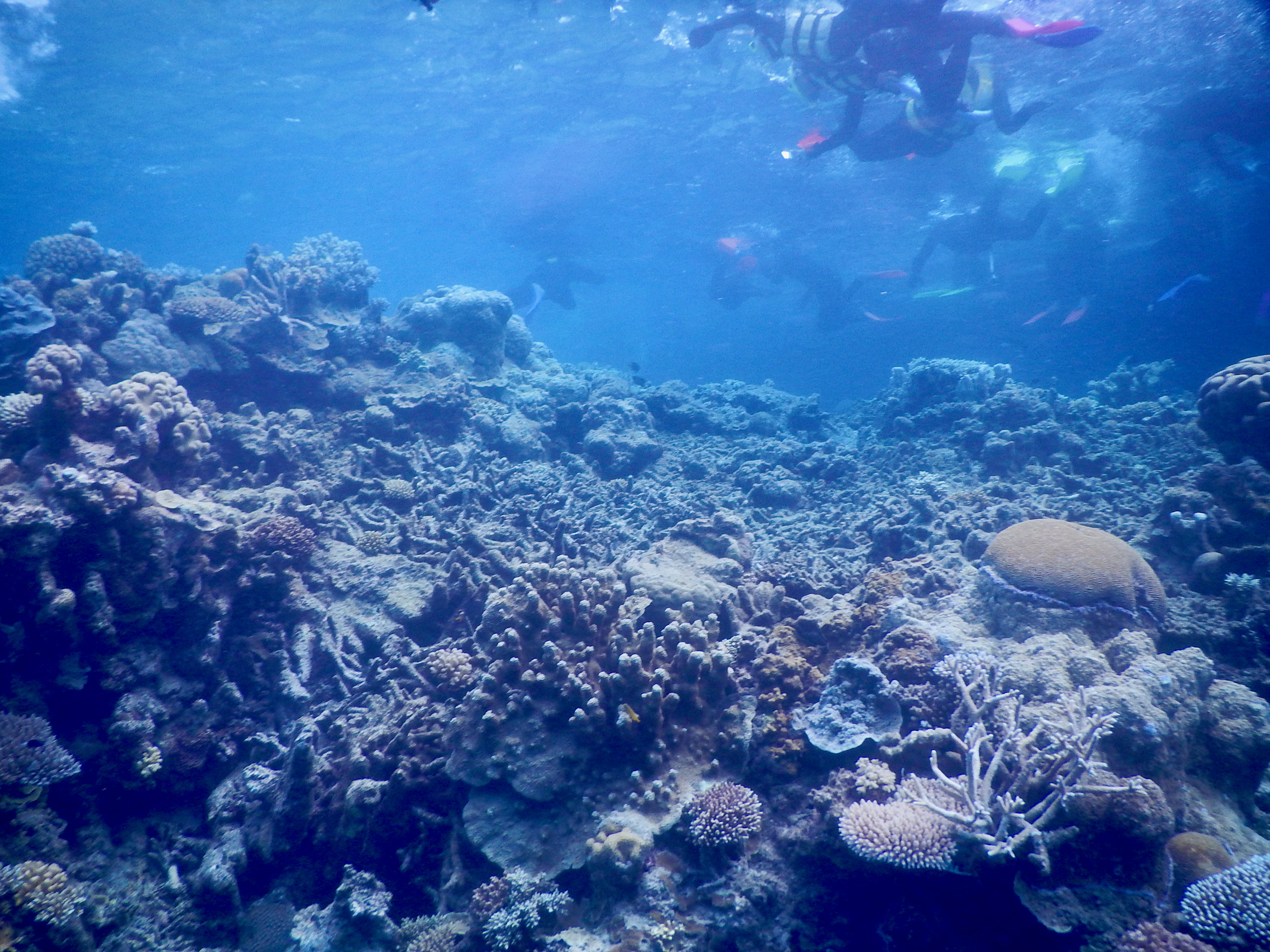
Those examples aren’t shocking because we’ve been trained to expect them.
The surprising part is everything else.
The things nobody thinks about losing
If you want a reminder that iconic landscapes don’t always fade slowly, look at what happened in Utah. In Arches National Park, Wall Arch collapsed overnight in 2008. No big storm. No dramatic warning. It was simply there one day, and gone the next. The National Park Service even published a notice about it when it happened. You can read it here.
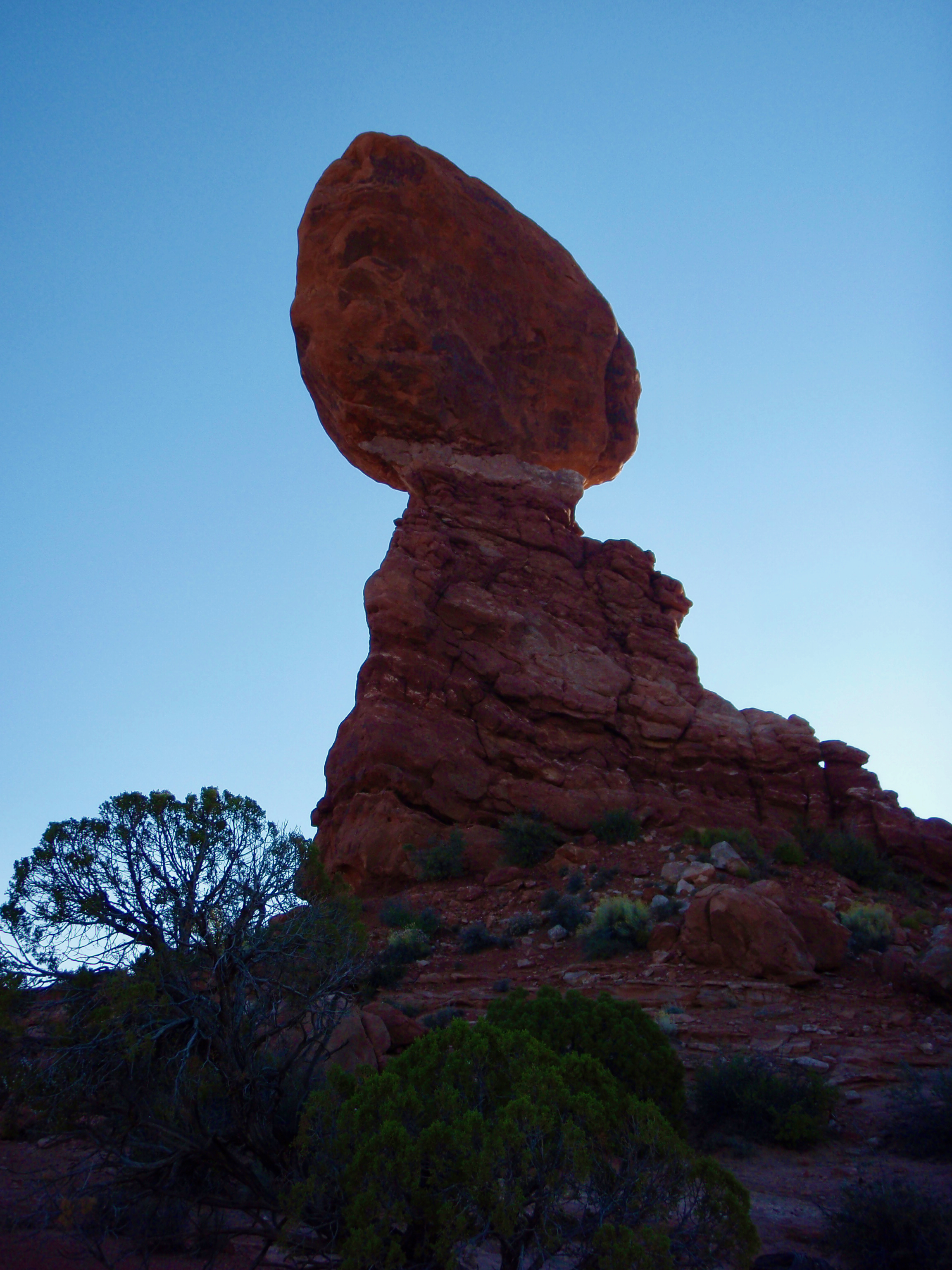
That’s what makes places like Balancing Rock feel so surreal in person. Your brain wants to believe it’s permanent, because it looks like it’s defying physics. But wind, water, temperature swings, and simple gravity are always at work, even when nothing seems to be happening at all.
Sometimes the coast rewrites itself overnight
Coastlines can be even more dramatic because they don’t just erode — they get hammered. Sea arches and rock formations can last for ages, until they don’t. Malta’s famous Azure Window, for example, collapsed during a storm in 2017. It made headlines for a reason.
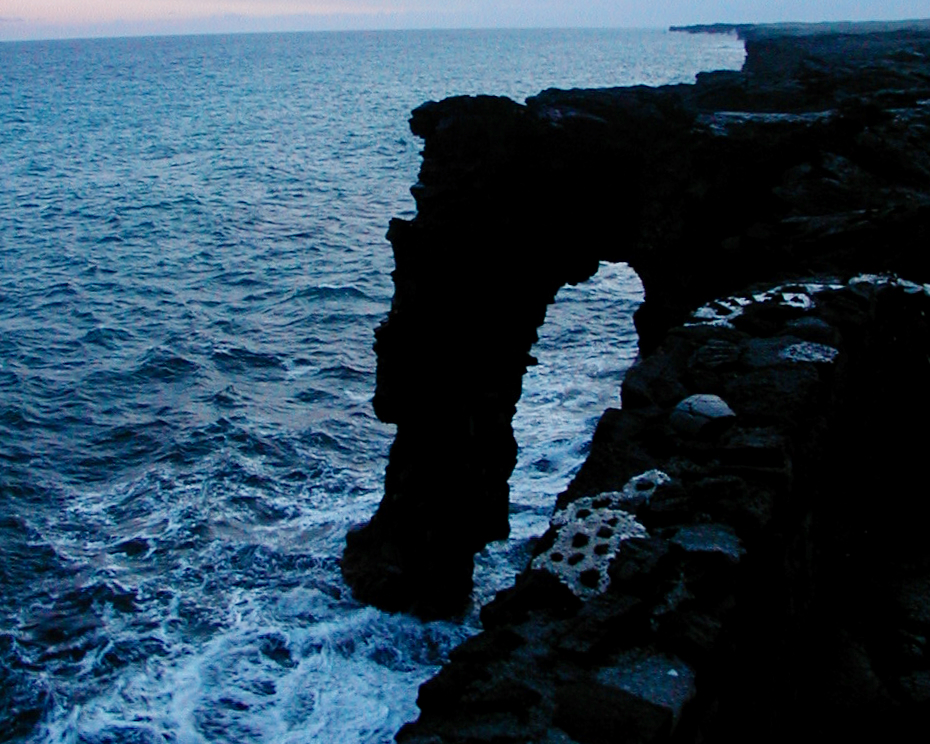
And volcanic landscapes can feel especially “forever” because they’re literally made from hardened lava. But in places like Hawaii, some of those lava arches and sea bridges are among the youngest landforms you’ll ever see — and they can also be among the most fragile. Even Hawaii’s well-known Hōlei Sea Arch has taken damage from powerful surf over the years. Here’s one story that shows how quickly a coastline can reshape itself.
Which brings me back to Reynisfjara
Which brings me back to Iceland.
Standing at Reynisfjara, it was easy to think we were looking at something timeless. The basalt columns felt ancient. The cliffs towered overhead. The black sand stretched out toward crashing waves. It felt like one of those places that would look exactly the same a hundred years from now.
But Iceland’s coastline is shaped by the ocean every single day. Storms move sand. Waves carve rock. Whole sections of shoreline can shift without warning. The columns haven’t disappeared — but if the beach itself has already changed dramatically once, it’s a reminder that “permanent” isn’t a guarantee.
Why “see it while you can” doesn’t have to be doom-and-gloom
I don’t think travel should be about panic, or racing against the clock, or treating every trip like a last chance.
But I do think it’s worth remembering that every visit is a snapshot of a version of the world that won’t exist in exactly the same way forever.
The glacier we saw in Alaska looked one way when we stood there. The reef looked a certain way when we snorkeled above it. Balancing Rock felt impossibly steady when we looked up at it. Reynisfjara felt like it would always be Reynisfjara.
And maybe that’s the real reason to go when you have the chance.
Not because everything is vanishing.
But because the world doesn’t stay still.
Want to comment on this post? Great! Read this first to help ensure it gets approved.
Want to sponsor a post, write something for Your Mileage May Vary, or put ads on our site? Click here for more info.
Like this post? Please share it! We have plenty more just like it and would love it if you decided to hang around and sign up to get emailed notifications of when we post.
Whether you’ve read our articles before or this is the first time you’re stopping by, we’re really glad you’re here and hope you come back to visit again!
This post first appeared on Your Mileage May Vary

2 comments
The things we can see as travelers, and the quality of the experience, has always been in flux. Overpopulation and man-caused climate change are certainly introducing more change in our experience of things, and never for the better, unfortunately. Ignore what you see on social media, keep your expectations low and you’re less likely to be disappointed.
100% Agree about not setting expectations on what you see with social media. Influencers are paid to get you to want to visit, not to say how it really is.