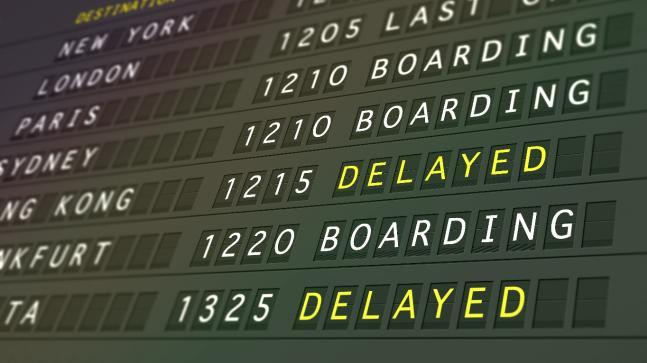
You get to the airport early, breeze through security, and even have time to grab a coffee before your flight. Everything’s going smoothly—until you glance at the departures board and see that dreaded word: DELAYED. Maybe it’s just 30 minutes, but then it stretches to an hour. Suddenly, your comfortable connection window is shrinking fast, and you start wondering if you’ll even reach your destination today.
We’ve been there. We once planned a trip with a connection in Atlanta that should have been an easy one. The layover was short, but manageable—until our first flight got delayed. When we landed, we had eight minutes to get from one end of the terminal to the other. And if you’ve ever navigated ATL, you know that’s basically an Olympic sprint. We bolted off the plane, dodging travelers left and right, hoping against hope that the departure gate was nearby. Spoiler alert: It wasn’t. After a frantic sprint and some questionable navigation decisions, we made it—but only because the flight was held for a few last passengers. It could have easily gone the other way.
Flight delays are an unfortunate reality, but they don’t have to ruin your trip. The key is to stay ahead of the situation and know what to do before you find yourself sprinting through the airport or sleeping in a terminal. Here’s how to handle a delay—and, more importantly, how to avoid missing your connection.
Step 1: Stay Ahead of the Delay
The sooner you know about a potential delay, the more options you’ll have.
- Check Your Flight Status Early and Often: Airline apps and flight tracking services like FlightAware or FlightRadar24 can alert you to problems before they’re officially announced.
- Monitor Your Incoming Aircraft: If your plane is coming from another city, track its progress. A late arrival could mean your flight is delayed before the airline even updates the schedule.

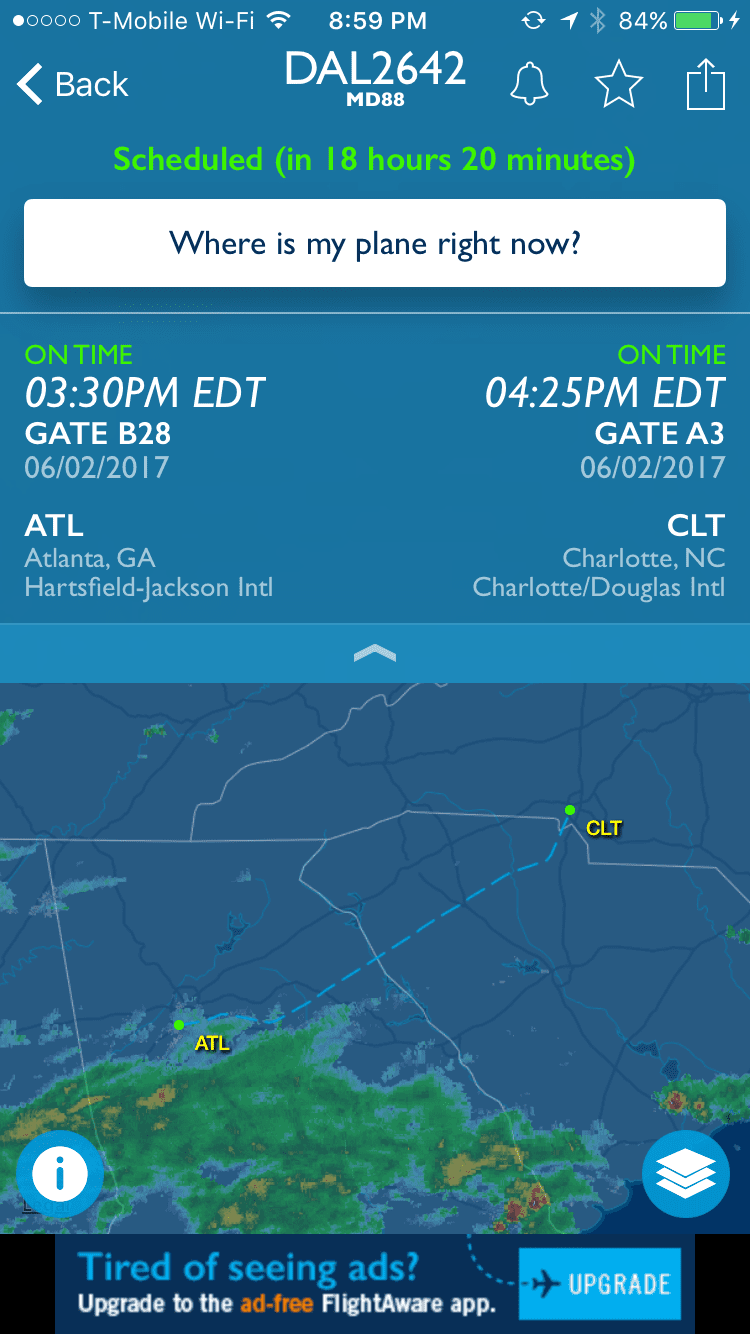
- Sign Up for Airline Notifications: Push alerts and text updates from the airline can give you a head start in making alternative plans.
Step 2: Know Your Options Before You Need Them
- Look Up Backup Flights: If you’re worried about a tight connection, check for alternative flights in the airline’s app before speaking with an agent.
- Try the Lounge First: If you have lounge access, head there first—lounge agents can often help with rebooking faster than the main customer service line.
- Know What the Airline May Cover: If your flight gets significantly delayed, check whether your airline offers hotel accommodations or meal vouchers.
Step 3: Act Quickly If Your Connection Is at Risk
If your flight is delayed before boarding, get in line at the gate or call the airline immediately to explore rebooking options.
- Use Every Method Possible to Contact the Airline: This includes calling, using the airline’s app, reaching out via social media, or even secure text messaging if available. Some airlines prioritize responses on platforms like X (formerly Twitter) or through dedicated chat features.
- Already in the Air? Check the airline’s app—some allow you to self-rebook before you land.
- Need Help at the Gate? If rebooking isn’t an option and you’re running to your next flight, check whether your airline has a tight connection assistance program. Some carriers have staff waiting at the gate to help passengers make close connections.
Step 4: Ways to Avoid a Missed Connection in the First Place
While delays are often out of your control, there are still ways to reduce your chances of missing a connection:
- Avoid Booking the Last Flight of the Day: If your flight is delayed or canceled, having later options to rebook can make a huge difference.
- Choose Airlines With Multiple Flights on Your Route: If you’re flying out of an airport where an airline only has one or two flights a day, your rebooking options will be limited if something goes wrong.
- Give Yourself a Longer Layover: A 45-minute connection might look good on paper, but it doesn’t leave much room for delays. If possible, aim for at least 90 minutes—more if you’re connecting internationally. Check out this guide to better understand how airlines determine connection times and whether your layover is cutting it too close.
- Fly Earlier in the Day: Flights earlier in the day tend to be more on time. As the day goes on, delays often stack up and affect later flights.
- Stick to One Airline (or Partnered Airlines): If you book separate tickets on different airlines and miss a connection, the second airline usually isn’t obligated to rebook you. Staying within one airline’s network gives you a better chance of being accommodated.
Step 5: Know Your Rights
- In the U.S., airlines aren’t required to compensate passengers for delays, but they must provide a refund if they cancel your flight and you choose not to travel.
- Some airlines offer overnight accommodations for delays caused by mechanical issues, but policies vary, so always check before assuming they’ll cover a hotel.
- If you booked with a travel credit card, you may have trip delay protection, which could cover meals, hotels, or alternative transportation after a certain delay. Be sure to keep all receipts if you need to file a claim. Here’s a guide on which credit cards offer this benefit.
Final Thoughts
A delayed flight doesn’t have to mean a ruined trip. By staying informed, acting quickly, and making smarter booking choices, you can reduce your chances of getting stranded. And if you do find yourself sprinting through the airport, just remember: sometimes you make it, and sometimes you end up rebooking.
Want to comment on this post? Great! Read this first to help ensure it gets approved.
Want to sponsor a post, write something for Your Mileage May Vary, or put ads on our site? Click here for more info.
Like this post? Please share it! We have plenty more just like it and would love it if you decided to hang around and sign up to get emailed notifications of when we post.
Whether you’ve read our articles before or this is the first time you’re stopping by, we’re really glad you’re here and hope you come back to visit again!
This post first appeared on Your Mileage May Vary