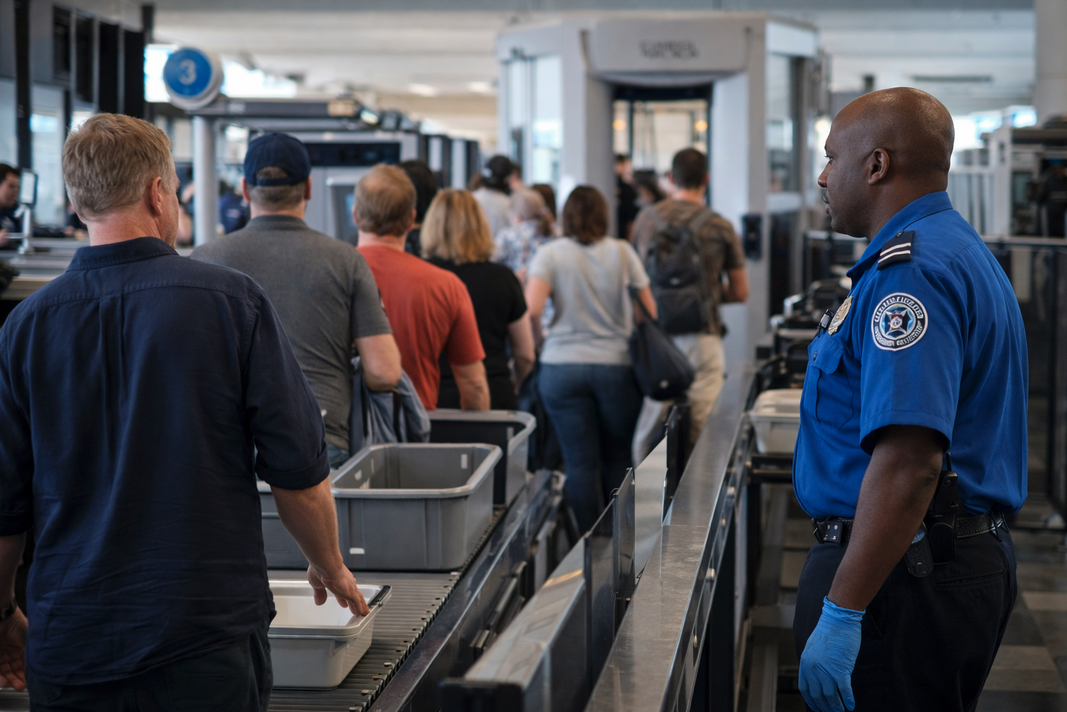
From body language to what you’re wearing, TSA officers are trained to spot certain behaviors at security.
A while back, we wrote a piece about what flight attendants are really doing when they greet you on a plane. I won’t go into the details in this piece, but a lot of it has to do with FAs’ ability to quickly size a person up so they know who to watch out for, who to protect, who to get to help in the event of an emergency, etc.
Obviously, flight attendants aren’t just born with that ability; they’re trained to look for certain behaviors, activities, etc. (although as someone who worked on a psychiatry unit for 11 years, I can tell you firsthand that although some of it is indeed training, some is years of on-the-job experience!).
Anyway, another group of people who are “looking” for things when you encounter them? TSA officers.
I know, I know. TSA officers (TSAOs) don’t have the greatest reputation. But I’ve got news for you – just like used car salespeople are supposedly “slimy,” personal injury attorneys are considered “ambulance chasers,” and people think travel bloggers “are only in it for the credit card links,” there are a lot of people in each of those professions who are not. And the same goes for TSAOs’ reputation for being crabby, mean and irritable (although in the past, they had good reason to be). Of course a lot of them aren’t (this one certainly wasn’t).
Sure, there are some who you’re not going to want to be your best friend. But then again, they’re not there to be your best friend. They’ve got a job to do, and it’s one of the most important ones in the travel industry – keeping planes and their occupants safe . And before you say it’s “security theater,” consider this: how many guns, knives and explosives have been caught on potential passengers and their bags since 9/11? For that matter, how many U.S. planes have been taken down by terrorists since 9/11?).
We’ve gone over the training TSAOs get (and yes, how it kind of glosses over “interpersonal skills” LOL) and you’ll see that “detecting terrorist threats” is one of the things they’re taught at TSA Academy (TSA-A), which is located at the Federal Law Enforcement Training Center in Glynco, GA (about halfway between Savannah and Jacksonville). Here are some of the behaviors TSAOs look for as you go through the security checkpoint:
Appearing intoxicated
If you’re acting like you may have had one or six too many, you could be detained while the TSA officer asks the police to do a blood alcohol test on you. What happens next depends on your BAC. I mean, just remember what happened to this lady.
Wearing unseasonable outfits
I know planes are kept cold (here’s why) but wearing a big, heavy coat in the middle of summer would still be considered suspicious. TSA officers might want to do a further inspection to make sure you don’t have anything dangerous under that parka.
Wearing baggy clothes
Many travelers try to be as comfortable as possible on a plane. That’s especially true if they have a long flight before them. But baggy clothes can make TSA officers wary that you may be trying to hide something – that super oversized hoodie or tunic may earn you a pat down.
And yes, speaking of tunics…even nuns aren’t exempt (heaven knows).
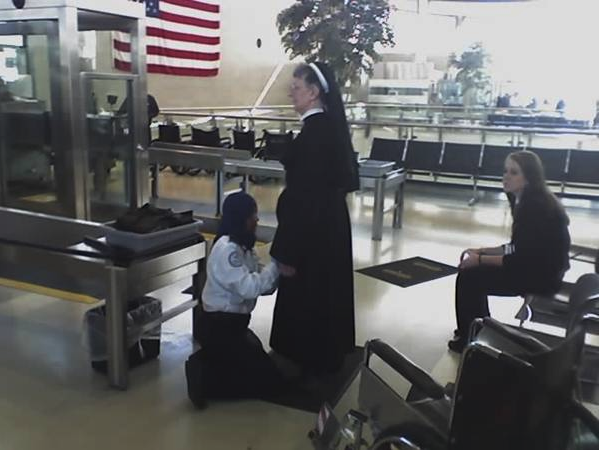
PC: Dean Shaddock / wikipedia / CC BY-SA 2.0
Acting aggressively
We all saw enough TikTok videos during the worst of the COVID years to know that someone who is aggressive could be a potential danger on any plane.
Obviously, someone acting aggressively – belligerent, angry, nasty, etc. – will be a red flag for TSA officers.
Acting nervous
Someone who intends to cause harm to an airport, a plane, etc., might look nervous.
Fidgeting, swaying/rocking, cracking your knuckles, biting your nails, clearing your throat, talking too much, appearing pale or red, or wide-eyed can all be signs of anxiousness or nervousness. TSA officers may want to see if you look that way because you’re scared to fly or if you have nefarious plans.
Avoiding eye contact
For some of us, it’s a behavior that’s been going on for as long as we can remember. Got something to hide? Avoid eye contact.
Carrying lots of cash
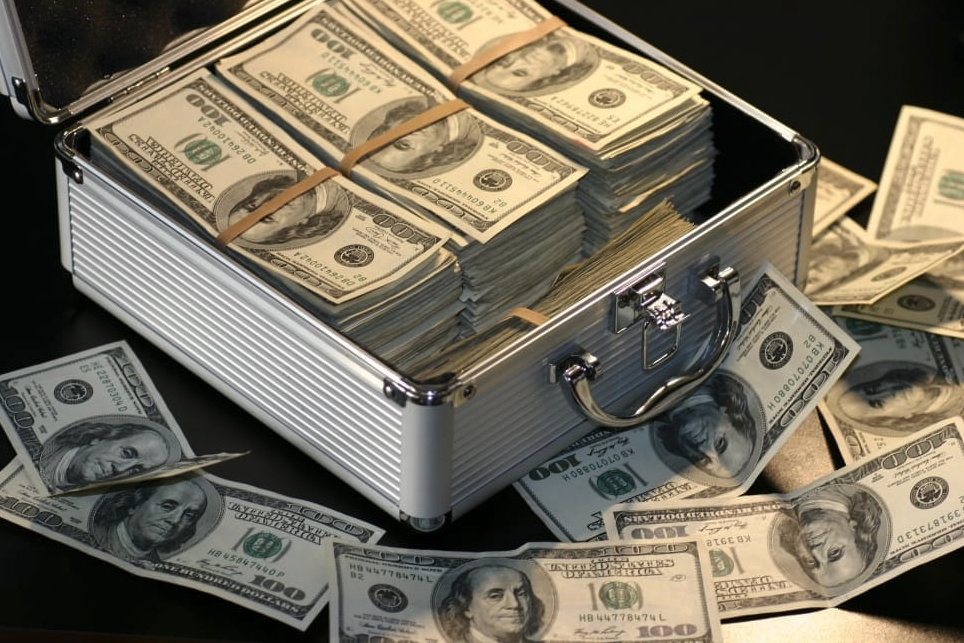
If you have a lot of cash on you, especially in foreign currency, you may get flagged by a TSA officer. They could be concerned about drug or sex trafficking or money laundering, so they may want to ask you some questions or turn you over to the authorities for questioning (If your money is even suspected to be related to criminal activity, your large sums of cash could be confiscated and you may have to go to court to get it back).
What this means for you
At the end of the day, TSA officers aren’t just watching your bags—they’re watching you, too.
Most of these behaviors are totally harmless. Plenty of people are nervous, avoid eye contact, or just want to be comfortable on a long travel day.
But when enough of those signals stack up? That’s when you might get pulled aside.
So if you ever find yourself getting extra attention at security, it might not just be what you packed—it could be how you’re acting.
Want to comment on this post? Great! Read this first to help ensure it gets approved.
Want to sponsor a post, write something for Your Mileage May Vary, or put ads on our site? Click here for more info.
Like this post? Please share it! We have plenty more just like it and would love it if you decided to hang around and sign up to get emailed notifications of when we post.
Whether you’ve read our articles before or this is the first time you’re stopping by, we’re really glad you’re here and hope you come back to visit again!
This post first appeared on Your Mileage May Vary