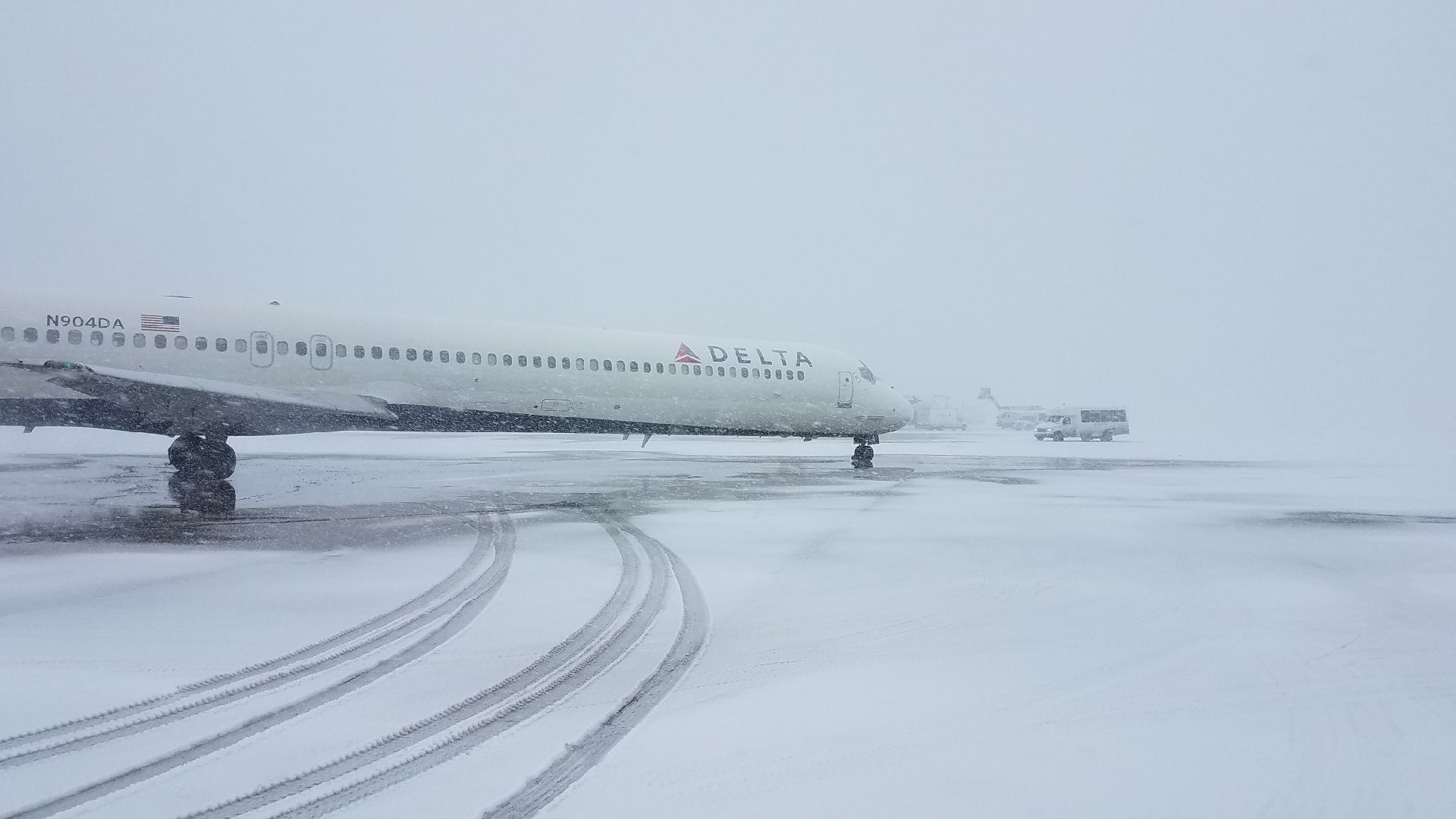
Weather can disrupt airline travel any time of year—spring thunderstorms, summer heat, winter snow, and everything in between. Delays are never ideal, but a little prep (and a flexible mindset) can make them easier to handle.
Keep an eye on the weather
Before heading to the airport, check the forecast for both your departure and arrival locations. Also take a quick look at the weather for any connecting airports—major hubs can affect flights across the system even if your local skies look fine.
Knowing what you’re walking into won’t magically fix a delay, but it does help you plan your day and set realistic expectations (especially if you might need extra time, food, or a backup plan).
Stay Informed
Watching the information screens at the gate is often one of the last ways you’ll learn about a delay. A few simple tools can get you updates earlier than the crowd around you:
- Sign up for airline alerts. When you book, add your phone number and email so the airline can text or email you about delays, gate changes, and cancellations. This is one of the few times it’s worth handing over your number.
- Use the airline’s app (with notifications enabled). Download it before your trip, log in, and turn on push notifications. If your frequent flyer info is tied to your reservation, you’ll usually get updates fast—sometimes before anything shows on airport screens.
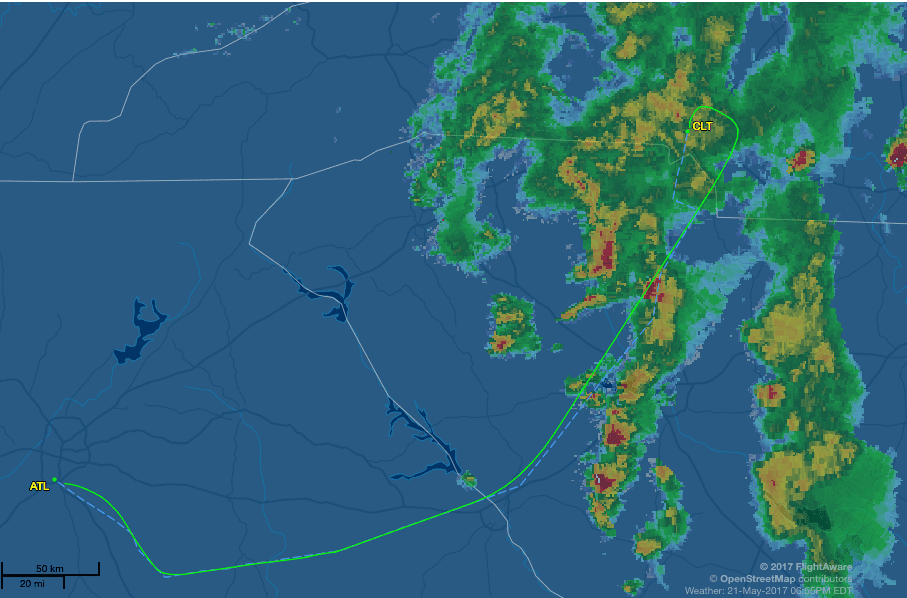
- Track the flight yourself. Airline alerts are helpful, but having your own source is even better. FlightAware is my go-to, and it’s one of the 7 apps you should have when traveling. A great trick: look up the incoming aircraft. If the plane that’s supposed to operate your flight is already running late, it’s often only a matter of time before your “on time” departure starts slipping too.
- Consider an all-in-one trip tracker. TripIt Pro can surface flight status changes and keep your itinerary organized in one place. It’s a paid upgrade, so it’s most useful if you travel frequently or just want fewer moving parts to manage on a hectic day.
Stay Comfortable During Delays
Even with the best prep, delays happen. The goal is to make the waiting as painless as possible.
If you have access to an airport lounge, it can be a much better place to ride out a delay—more comfortable seating, Wi-Fi, food and drinks, and plenty of outlets. Some premium credit cards (such as the Amex Platinum Card) include lounge access benefits, which can turn a bad travel day into something closer to “annoying but manageable.”
If a lounge isn’t an option, claim a good spot near outlets and settle in with something to do. This is also why I always keep a few basics in my carry-on: a portable charger, headphones, a snack, and anything I’d be annoyed to lose access to for several hours.
What to Do About Connecting Flights
If a delay threatens your connection, act early. The best time to rebook is usually before you’re officially misconnected.
- Try the airline app first. It’s often the fastest way to switch flights without standing in line.
- Use a desk with shorter lines. A customer service desk (or a lounge desk, if you have access) can be quicker than the gate agent who’s juggling a full flight’s worth of problems.
- Use alternate contact methods. Some airlines respond quickly via chat, text, or social media—especially when phone hold times explode.
- Ask about being “protected” on a later flight. In some cases, the airline can keep your current reservation but also add you to a backup option if your connection is tight. There’s no guarantee, but it’s worth asking.
If your itinerary includes partners, it can also be worth asking whether you can be accommodated on another airline. It doesn’t always happen, but when seats are scarce, politely asking the right question can help.
Planning for the Worst
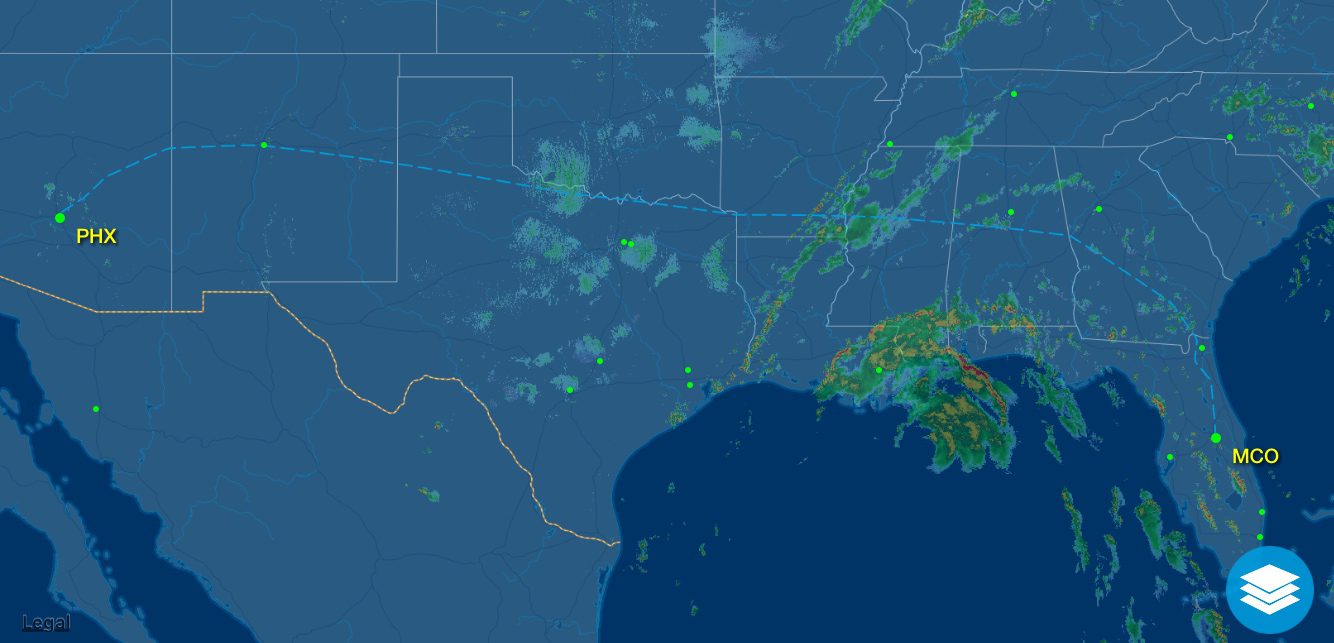
Sometimes, the weather turns a delay into an overnight situation. If that happens, your options depend on your ticket, the airline, and a little bit of luck.
Check your credit card benefits. If you paid for the trip with a card that includes trip delay insurance, you may be able to get reimbursed for reasonable expenses like a hotel and meals (after any required delay threshold). Save receipts and follow the card’s claim instructions.
Look for last-minute hotels quickly. When flights get canceled, nearby rooms can disappear fast. Apps like HotelTonight may help you find availability near the airport, but don’t wait too long if you think you’ll need a room.
Know what airlines typically do (and don’t) owe you. In general, airlines aren’t required to provide compensation for weather-related disruptions, and meals/hotels are often offered only as a courtesy. However, refunds are a separate issue: if your flight is canceled or significantly delayed/changed and you choose not to travel, you may be entitled to a refund for the unused portion of your ticket. For details, check the Department of Transportation’s guidance on delays and cancellations.
Stay Calm
It’s easy to get frustrated when you’re watching the minutes tick by, but remember: airline employees can’t control the weather, and they usually don’t get much advance notice about what the operation will look like in an hour. Gate agents and customer service reps may be juggling hundreds of rebookings at once.
Being polite won’t magically create seats, but it can make the interaction go smoother—and you’re more likely to get helpful options when the person on the other side of the counter actually wants to help you.
Final Thought
Weather delays and cancellations are never fun, but being informed, prepared, and flexible can make the experience a lot more manageable. A few small habits—tracking the inbound aircraft, enabling airline alerts, packing the basics in your carry-on, and knowing when you may be able to get a refund—can save you a lot of stress on a messy travel day.
What’s the worst weather-related travel delay you’ve faced? Share your story in the comments.
Want to comment on this post? Great! Read this first to help ensure it gets approved.
Want to sponsor a post, write something for Your Mileage May Vary, or put ads on our site? Click here for more info.
Like this post? Please share it! We have plenty more just like it and would love it if you decided to hang around and sign up to get emailed notifications of when we post.
Whether you’ve read our articles before or this is the first time you’re stopping by, we’re really glad you’re here and hope you come back to visit again!
This post first appeared on Your Mileage May Vary