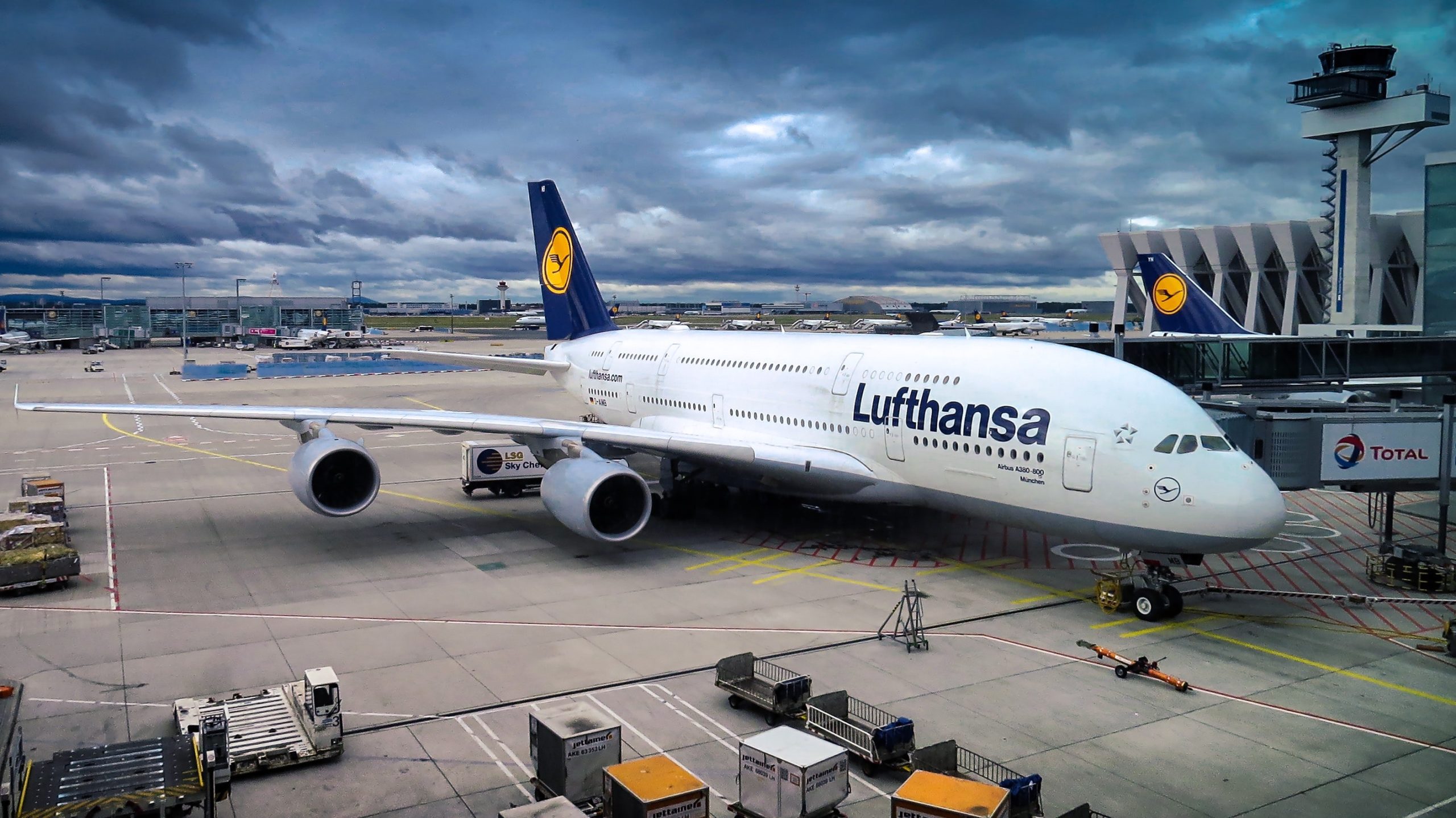
Sitting in my window seat on a Southwest 737 MAX8, preparing for the short flight from Atlanta to Orlando, I snapped a quick picture of the plane at the gate next to ours. I often do this to get photos to use on our website.
When I got home, I noticed something interesting on the rear of the plane over the aircraft registration.
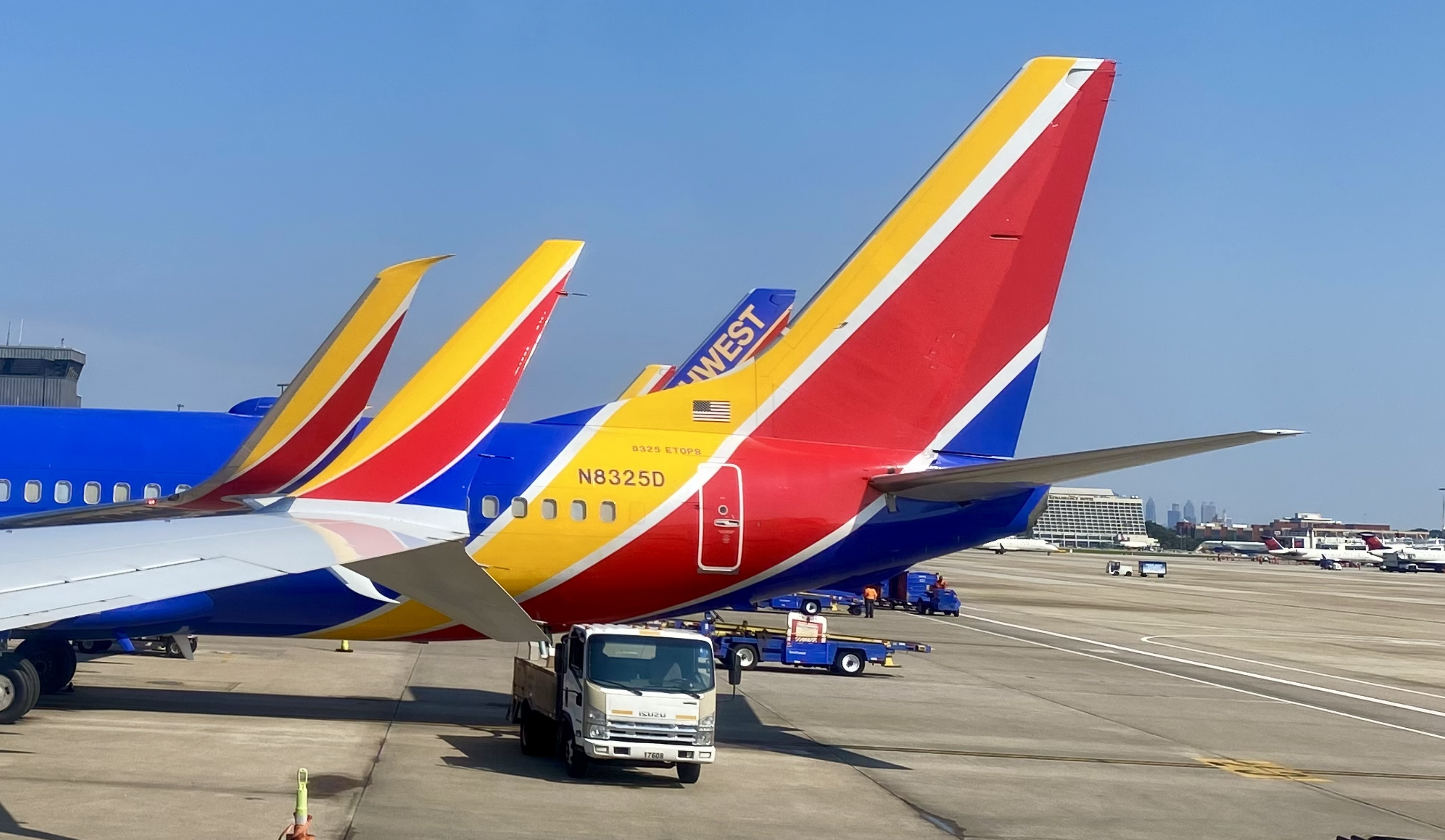
In smaller writing, above the registration, N8325D, there was another marking. It said 8325 ETOPS.
I’ve heard about ETOPS before and knew it had something to do with flying planes on routes without diversion points. But there’s way more to being an ETOPS-certified plane than that.
Introduction to ETOPS Certification
ETOPS stands for Extended-range Twin-engine Operational Performance Standards. It’s an FAA framework that allows twin-engine aircraft to operate routes where, at some point, they are more than 60 minutes (at one-engine-inoperative cruise speed) from a suitable diversion airport—provided the airline, aircraft, and route meet additional planning, equipment, and maintenance requirements.
Back in the day, twin-engine planes were only allowed to fly on routes within 60 minutes of the nearest airport in case one of the engines failed and the aircraft had to make an emergency landing. That’s because, at the time, 60 minutes was the longest a plane was considered safe to fly with only one engine.
Only planes with more than two engines could fly the most efficient Trans-Atlantic routes, such as New York to London. This is why those routes were exclusively operated by aircraft like the quad-engine 747 or the tri-engine DC-10, which were not subject to the same rules.
Here’s a great video about the history of ETOPS and how it transformed the global aviation market.
The History and Evolution of ETOPS
In the mid-1980s, the FAA began expanding what twin-engine aircraft were allowed to do over water. One early milestone came in 1985, when TWA received ETOPS-120 approval for its Boeing 767 service between Boston and Paris. That clearance meant the aircraft could operate routes where it might be up to 120 minutes from a suitable diversion airport, and it helped kick off what most people think of as the modern ETOPS era.
And yes—aviation being aviation—ETOPS also picked up an unofficial nickname: “Engines Turn Or Passengers Swim.” With a working relationship with dark humor in the workplace, I totally get why that one stuck.
Airplane technology has come a long way since the 1980s, and I have no problems flying a twin-engine plane across an ocean. However, I was curious about what makes a plane eligible for ETOPS certification. Was it in some way different than other planes?
In short, yes and no.
What Makes a Plane ETOPS Certified?
As it turns out, a plane with ETOPS certification isn’t all that different from the same plane without it. For instance, why would a Southwest plane in Atlanta be certified to fly more than 60 minutes from the nearest diversion airport?
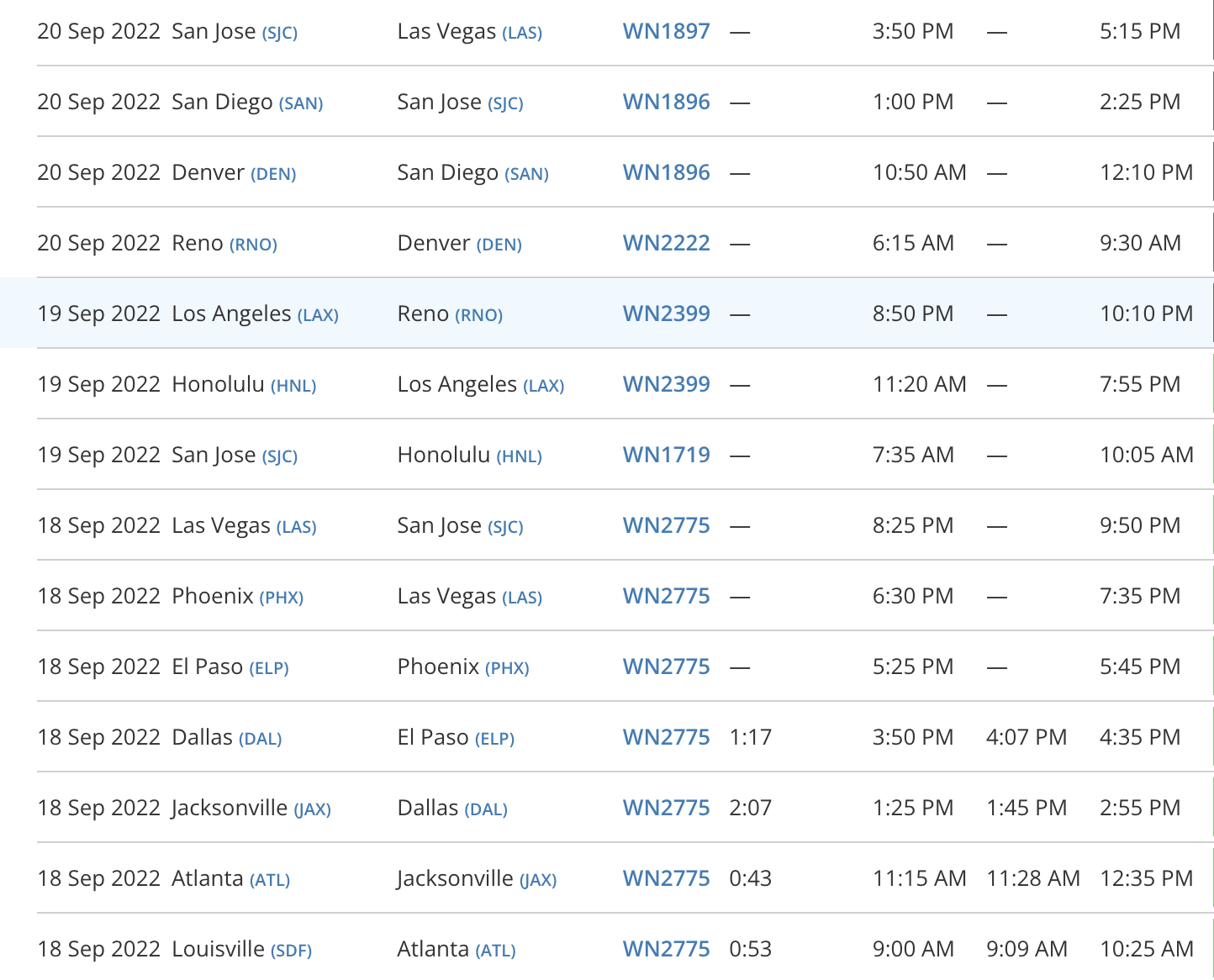
It turns out that besides flying from Atlanta to Jacksonville, Dallas, El Paso, Phoenix, Las Vegas, and San Jose, the same plane makes the trip from San Jose to Honolulu and back to Los Angeles. All flights from the mainland to Hawaii must be ETOPS-certified.
Not all planes are ETOPS-certified. Airlines must apply for each airframe and route, and airplanes flying that route must meet specific requirements.
They are held to a more rigorous maintenance schedule, require additional flight and cabin crew training, have a passenger diversion plan for a route, and have extra redundancy for certain systems, such as electrical, hydraulics, fire suppression, and communications.
Because of the extra costs for maintenance and training, airlines only certify planes that need to be certified. This isn’t to say that a non-ETOPS-certified aircraft can’t fly over the ocean, as this American Airlines flight did in 2015 on a trip to Hawaii. They’re just not approved to make the trip safely.
ETOPS and the Future of Air Travel
Currently, one of the longest extended-operations approvals in commercial service is the Airbus A350XWB, which can be certified for up to ETOPS-370. In practical terms, that gives airlines enormous routing flexibility over oceans and other remote areas—but it doesn’t mean an aircraft can fly absolutely anywhere. Routes still have to be planned around suitable diversion airports, and extremely remote regions—especially polar operations and Antarctica—come with additional limitations and requirements. (More about that here.)
With twin-engine airplanes able to fly almost anywhere with sufficient ETOPS certification, does this mean the end of quad-engine planes like the A380? For now, probably not. There’s still a market for high-volume planes in certain markets that a twin-engine aircraft can’t provide.
But who knows what new routes we might see with twin-engine planes having an almost unlimited range worldwide?
Want to comment on this post? Great! Read this first to help ensure it gets approved.
Want to sponsor a post, write something for Your Mileage May Vary, or put ads on our site? Click here for more info.
Like this post? Please share it! We have plenty more just like it and would love it if you decided to hang around and sign up to get emailed notifications of when we post.
Whether you’ve read our articles before or this is the first time you’re stopping by, we’re really glad you’re here and hope you come back to visit again!
This post first appeared on Your Mileage May Vary