For months, the Barclays-to-Citi American Airlines transition has been one of those slow-motion stories where everyone knew what was coming… but nobody could say exactly how it would land.
Now we finally have the missing piece: the conversion details are out, the dates are set, and cardholders are starting to see exactly what they’re getting.
And for most people, it’s pretty straightforward: your Barclays AAdvantage Aviator card becomes a comparable Citi AAdvantage card.
But for a smaller group of people, something else is happening — and it helps explain why you’re suddenly seeing people ask about the Barclays Arrival+, a card that hasn’t been available to new applicants in years.
Some Aviator cardholders aren’t going to Citi at all. They’re staying with Barclays… and getting product-changed into other Barclays cards instead.
The “normal” outcome: Barclays Aviator cards move to Citi
Barclays is exiting the American Airlines portfolio, and Citi becomes the single issuer for AAdvantage credit cards. We knew that part was coming — and I even got out ahead of it back in 2025 when I wrote about why I chose to cancel my Aviator card instead of waiting for the transition.
For most cardholders, the switch is essentially “same idea, different bank.” You keep using your Barclays card until the transition, then Citi takes over with a new card on the other side.
If you want the full conversion map and timing, Doctor of Credit has a clear breakdown of which Barclays cards are becoming which Citi AAdvantage cards.
The weird outcome: some people aren’t going to Citi at all
This is where it gets interesting — and where the confusion starts.
According to reports (and emails some cardholders have received), there’s a subset of Aviator cardholders who were told their cards won’t be transitioned to Citi. Instead, they’ll remain with Barclays — but since Barclays can’t keep issuing AA cards, those accounts are being product-changed into other Barclays products.
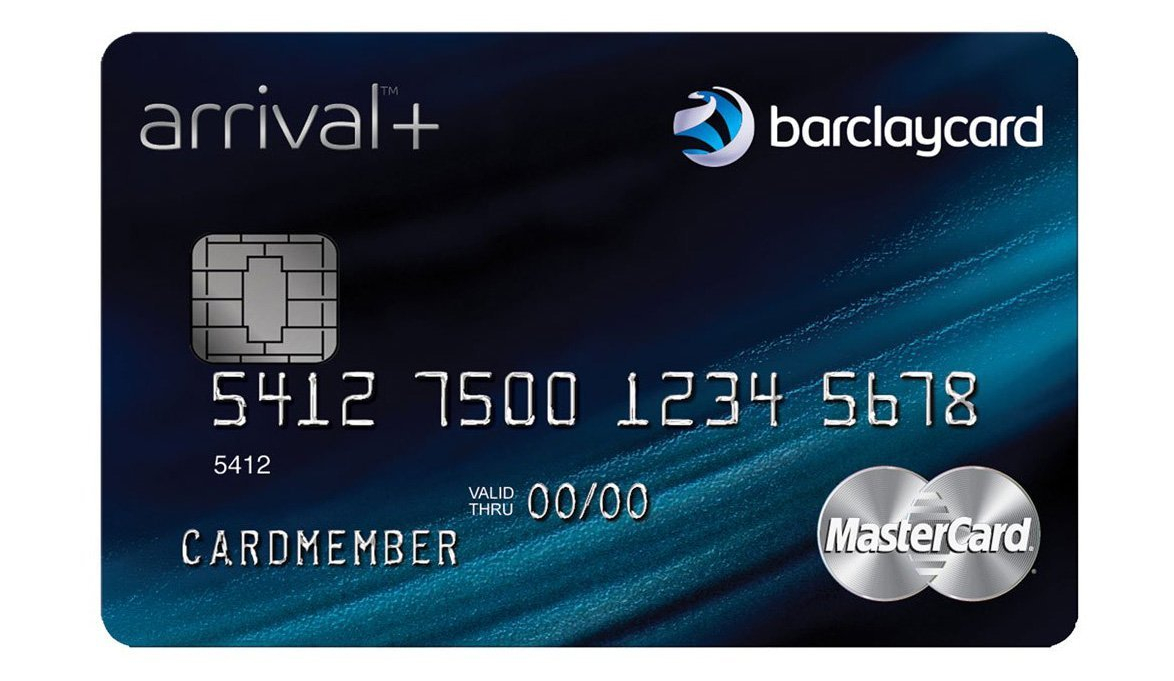
And if you have a personal Aviator card and you’re in that group, the replacement that keeps popping up is the Barclays Arrival Plus Mastercard — a card that hasn’t been open to new applicants in years, but is now reappearing because not all Barclays AA cards are actually moving to Citi.
Why some people are routed this way (and others aren’t) is still unclear. It might be related to Citi’s internal approvals or past shutdowns… but there are also data points from people who currently have Citi cards and still received the “you’re staying with Barclays” email.
So if you’re reading this because you got that message (or you’re trying to figure out why you’re getting an Arrival+ card in 2026), you’re not alone — and no, you didn’t accidentally time-travel back to 2014.
Why people are suddenly searching for “Barclays Arrival+” again
The Arrival+ has become one of those cards that most people have forgotten about… because you can’t just go apply for it.
Even product changes into the Arrival+ have been mostly off the table for years — which means there’s not a ton of up-to-date information out there. And now, all of a sudden, people may be getting it anyway, whether they asked for it or not.
I’ve actually kept our Arrival+ card for a long time, and I’ve written about it a few times — mostly because it quietly does a couple of things well, even in 2026.
The main reason I keep the “obsolete” Barclays Arrival+ card
Is the Arrival+ a good 2% card in 2026?
If you’re shopping for a straight-up 2% back card today, the Arrival+ probably isn’t at the top of the list — mainly because the annual fee chips away at the value.
But that doesn’t automatically make it a bad card to already have.
In our case, we’ve kept the Arrival+ because Barclays occasionally throws targeted bonus offers at it — and those offers can make the card worthwhile, or at least close to breakeven for another year.
There’s also a second reason I can’t prove with a spreadsheet, but I still think about: it’s our oldest Barclays card, and Barclays is notoriously weird about maintaining a long-term relationship with.
Does keeping an older Barclays card help with future approvals? I honestly don’t know. But we’ve had no problems getting both personal and business cards from Barclays over the years — JetBlue, Hawaiian, Wyndham, and American — and I’ve always wondered if having a long-running account in good standing helped keep the “Barclays algorithm” happy.
If you’re getting an Arrival+ card, here’s what you’ll want to know first
If this is a forced conversion for you, you don’t need a 3,000-word history of the Arrival+ card. You need two practical things:
- How the points work (and what makes redemptions annoying if you’re not expecting it)
- How to actually redeem for travel purchases without leaving value on the table
I’ve got a full walkthrough here:
How to redeem Barclays Arrival+ miles for travel expenses
And if you’ve heard rumors about Barclays “transfer partners” and want to see what that’s about (and whether it matters), here’s the post where I dug into it:
Surprising discovery: Barclays card offers transfers to multiple airlines
Final thought
If you’re one of the people who’s being moved from an Aviator card to the Arrival+, the first thing to know is simple: this isn’t an American Airlines card anymore, and it’s not trying to be.
But that doesn’t mean it’s worthless.
If you understand the redemption rules — and if Barclays continues to throw out those occasional bonus offers — the Arrival+ can still be a decent “keep it in the drawer” card that earns 2X everywhere and can wipe out travel purchases.
And if nothing else, it might be one more reason to keep a long-standing Barclays account alive… because with Barclays, you never really know what they’re rewarding behind the scenes.
Want to comment on this post? Great! Read this first to help ensure it gets approved.
Want to sponsor a post, write something for Your Mileage May Vary, or put ads on our site? Click here for more info.
Like this post? Please share it! We have plenty more just like it and would love it if you decided to hang around and sign up to get emailed notifications of when we post.
Whether you’ve read our articles before or this is the first time you’re stopping by, we’re really glad you’re here and hope you come back to visit again!
This post first appeared on Your Mileage May Vary