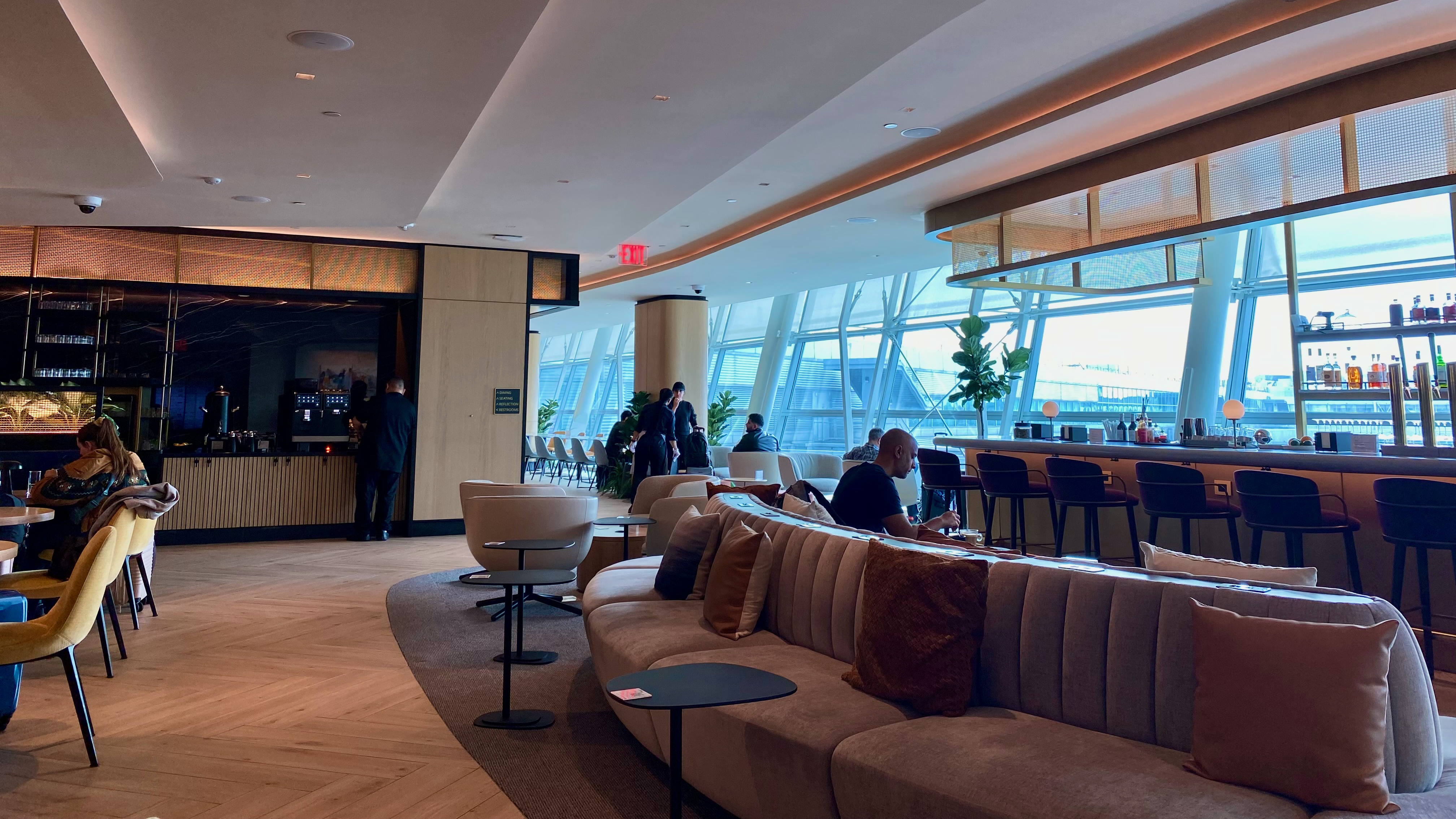
American Express didn’t just build airport lounges — they created an entire category.
Before Centurion Lounges, most U.S. credit-card lounges felt like upgraded waiting rooms. Amex changed expectations with better food, intentional design, and spaces that actually felt worth arriving early for. For years, Centurion Lounge access wasn’t just a perk — it was the reason many people could justify keeping the Platinum Card, even if they were only breaking even on credits.
But success has a side effect. The more popular a lounge becomes, the harder it is to keep the experience feeling premium. And now that Chase — and to a lesser extent Capital One — are building competing lounge networks, the question isn’t whether Amex started the trend. It’s whether someone else might be executing the next phase a little differently.
Amex didn’t just launch lounges — they changed expectations
When Centurion Lounges first appeared, they felt revolutionary compared to what existed in the U.S. at the time. The food was better. The layout felt more like a boutique hotel lobby than an airline club. And for many travelers, lounge access became the emotional justification for carrying the American Express Platinum Card.
The Platinum Card has evolved into more of a lifestyle product, but lounge access remained the centerpiece. Even if you had to juggle credits to offset the annual fee, walking into a Centurion Lounge felt like you were getting something tangible in return.
In other words, Amex didn’t just offer a lounge — they set the baseline for what a premium airport experience could be.
When popularity becomes the problem
Ironically, the same thing that made Centurion Lounges groundbreaking also made them victims of their own success.
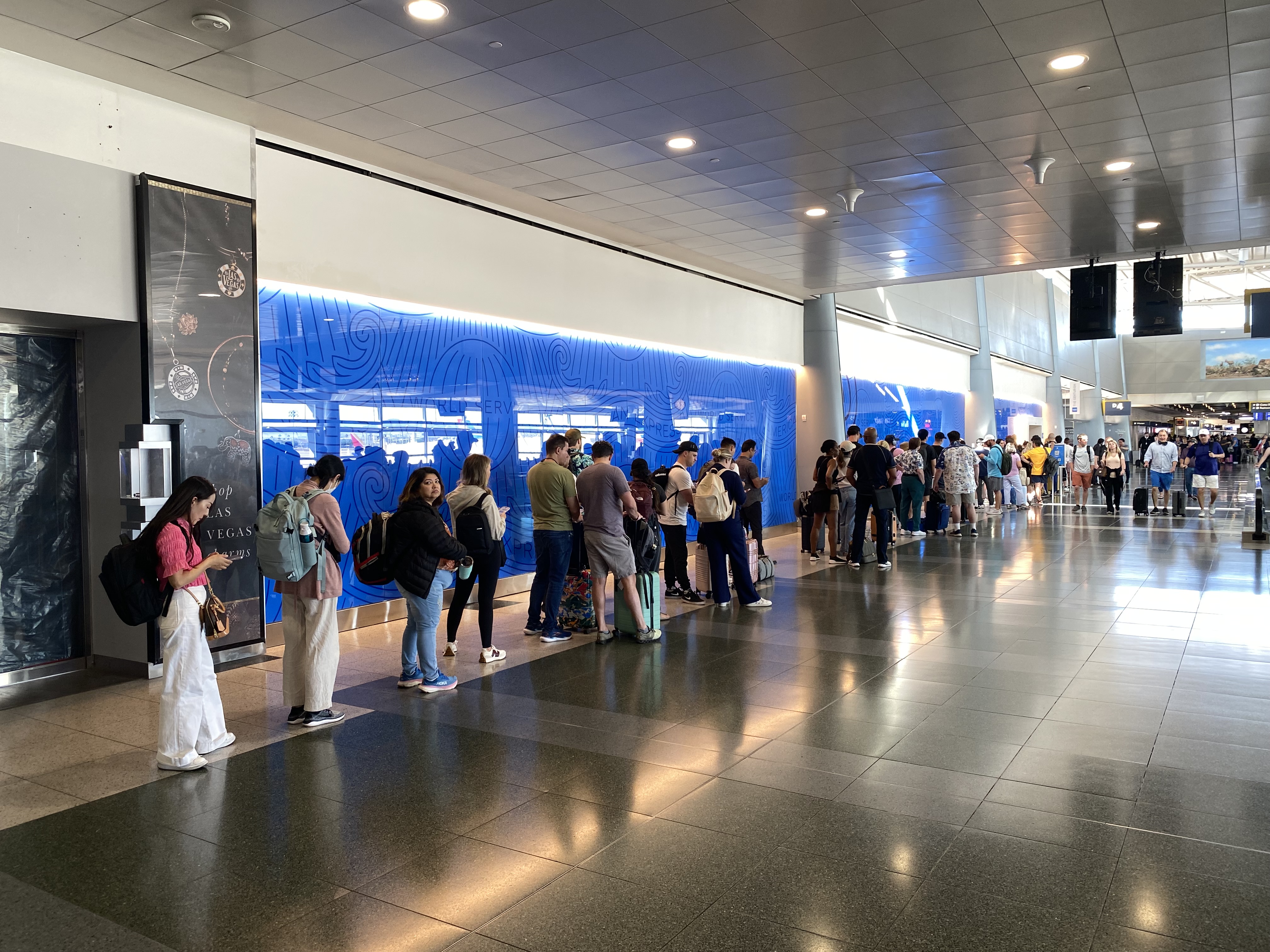
As access expanded and more travelers started planning their airport routine around lounge visits, crowding became the biggest challenge. The experience didn’t necessarily get worse — it just became harder to enjoy consistently. Lines formed. Seating became competitive. What once felt like a hidden gem became the default destination for anyone holding the right card.
The Centurion Lounge didn’t suddenly decline. It simply became more popular than the original concept ever expected.
Competition arrives — and the market shifts
For years, Amex essentially owned the premium credit-card lounge space. Then Chase entered the conversation with Sapphire Lounges.
Chase didn’t just copy the Centurion model — they seemed to learn from it. Larger footprints, more intentional seating zones, and layouts that spread people out rather than funneling everyone toward a single buffet line helped the spaces feel calmer, even when busy.
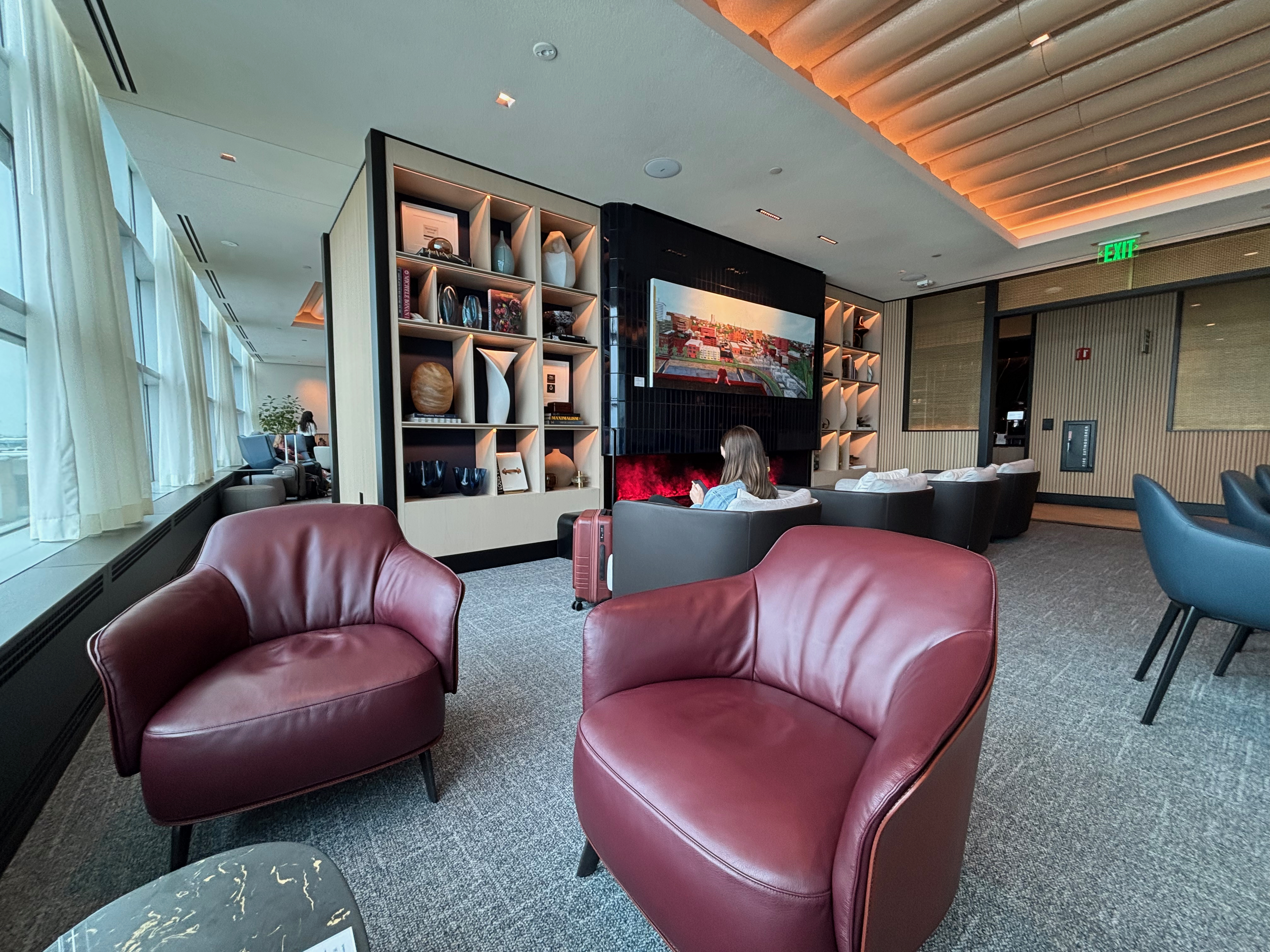
Access is still more limited, largely tied to the Sapphire Reserve (and the Ritz-Carlton Card for those who still hold it), which means the pool of users is smaller than the broader Platinum ecosystem. That alone changes the atmosphere.
Based on our visits to Sapphire Lounges in JFK, PHL, and BOS — plus a stop at LaGuardia we never even wrote about — the experience often feels less chaotic. Not because they’re objectively “better,” but because they’re earlier in the same lifecycle Centurion Lounges went through.
Amex isn’t standing still, either
It’s also important to point out that American Express isn’t just watching competitors take the spotlight. Their newer Centurion Lounges show clear attempts to adapt: larger spaces, improved layouts, and design changes meant to handle heavier traffic.
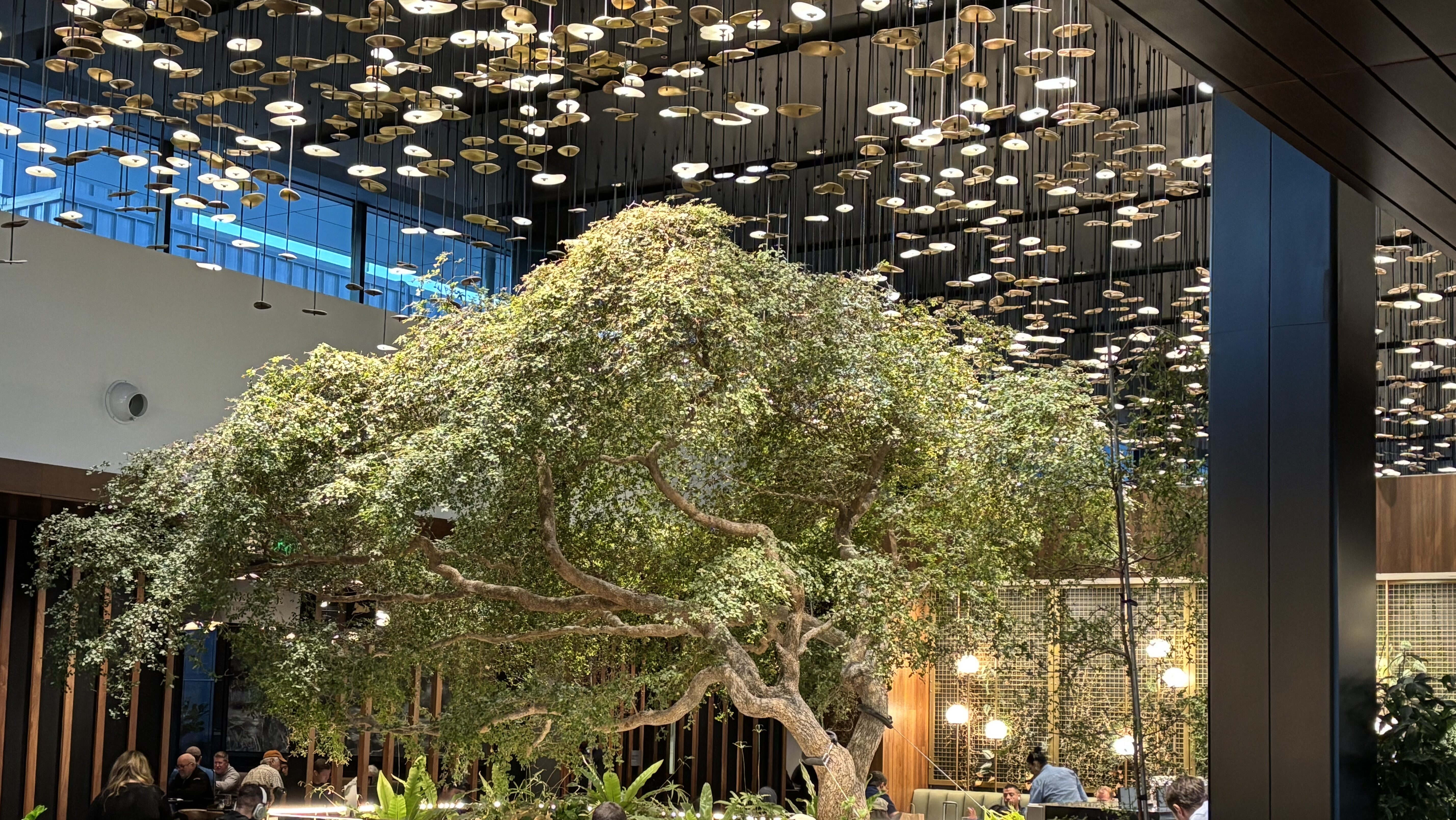
This is still a growing market, even if airport real estate makes expansion slow and complicated. The real challenge for every issuer isn’t just building a nicer lounge — it’s keeping that lounge feeling premium once everyone discovers it.
Did someone come along and do it better?
Maybe not “better” — but possibly better for right now.
Today, Sapphire Lounges often feel like what Centurion Lounges felt like years ago: comfortable, thoughtfully designed, and just different enough from the typical U.S. lounge to stand out. That doesn’t erase what Amex built. It simply shows how quickly expectations evolve once competition arrives.
And history suggests the cycle will continue. Today’s standout lounge can become tomorrow’s crowded default once enough people discover it.
What does this mean for credit card value?
For many travelers, Centurion Lounge access used to be the extra perk that made the Platinum Card’s annual fee easier to justify. Sure, you could break even on credits, but the real value was access to something that felt exclusive.
If Chase continues expanding the Sapphire Lounge network into more major airports, that valuation might start to shift. Lounge access stops being a uniquely Amex reason to keep paying the fee and becomes part of a broader competition between issuers.
The Platinum Card used to feel like the key to the best lounges in the U.S. Now it feels more like one of several keys — and that changes how people think about the overall value equation.
Final thought
American Express invented the modern credit-card lounge category. Chase may be refining what comes next. And if the past decade has shown anything, it’s that the moment one lounge experience becomes the gold standard, the next evolution is already on the way.
Right now, Sapphire Lounges feel like the spaces that are hitting the sweet spot between premium and usable. Whether that lasts depends on how the entire lounge ecosystem continues to grow — and how each issuer balances exclusivity with accessibility.
Want to comment on this post? Great! Read this first to help ensure it gets approved.
Want to sponsor a post, write something for Your Mileage May Vary, or put ads on our site? Click here for more info.
Like this post? Please share it! We have plenty more just like it and would love it if you decided to hang around and sign up to get emailed notifications of when we post.
Whether you’ve read our articles before or this is the first time you’re stopping by, we’re really glad you’re here and hope you come back to visit again!
This post first appeared on Your Mileage May Vary