Every year, readers ask me the same question: What’s the best no-annual-fee credit card to start earning travel rewards?
For a long time, my answer included cards like the Amex EveryDay or the original Bilt Mastercard. But the landscape has changed. Some cards are no longer available, and others have evolved enough that they’re no longer the obvious beginner picks they once were.
So I decided to rethink this guide from scratch.
This isn’t a roundup of every no-fee card on the market. These are the cards I’d actually suggest today if you want to earn travel rewards — without paying an annual fee — and without needing a complicated strategy to make them worthwhile.
What I’m Looking For In A No Annual Fee Travel Card
There are plenty of no-fee cards out there, but not all of them make sense if your goal is travel.
For this list, I focused on cards that:
- Earn points or miles that can grow with you over time
- Work well as a first or early travel card
- Don’t require holding another premium card just to unlock value
- Still makes sense even if you keep them long term
You’ll notice I’m leaving out some popular cards that technically earn transferable points but require pairing with an annual-fee card to use transfer partners. For beginners, I think it’s better to start with cards that stand on their own. You can always add a card in the same points ecosystem with an annual fee and additional benefits later on, if you want.
Wells Fargo Autograph Card
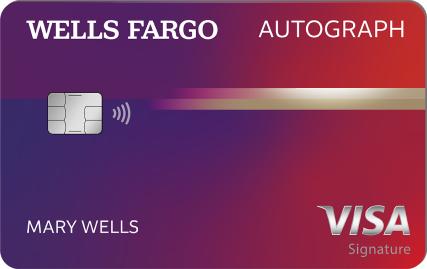
If I were building this list a few years ago, a different card probably would have taken the top spot. Today, the Wells Fargo Autograph is one of the strongest no-annual-fee travel cards available.
It earns bonus rewards across several everyday categories, like dining, travel, transit, and gas, making it easy to rack up points without overthinking your spending. More importantly, the Wells Fargo ecosystem has evolved — meaning this card can now serve as a starting point for transferable rewards instead of just basic travel credits.
For beginners who want a straightforward earning structure that still leaves room to grow into more advanced redemptions later, this is one of the easiest recommendations I can make.
Capital One VentureOne Rewards Credit Card

The VentureOne often gets overshadowed by its bigger sibling, the Venture X, but it quietly fills an important role in the no-annual-fee space.
This card earns Capital One miles that can be transferred to a wide range of airline partners. That makes it one of the simplest ways to start building a transferable miles balance without paying an annual fee.
If you’re new to points and miles but think you might eventually want to explore partner redemptions, this card offers a low-risk way to get started.
Citi Strata (No Annual Fee)

Citi has reshaped its ThankYou Points lineup, and the no-fee Strata card has become an interesting entry point into the ecosystem.
On its own, it’s a straightforward rewards card. But it also sets the stage for future flexibility if you decide to move into one of Citi’s premium options later. For readers who like the idea of building toward transferable points but don’t want to commit to an annual fee right away, this is worth considering.
Bank of America Travel Rewards Credit Card

This isn’t the flashiest card on the list — and that’s exactly why it deserves a spot here.
The Bank of America Travel Rewards card is simple, predictable and easy to understand. You earn flat-rate rewards that can be applied toward travel purchases, which makes it a good option for someone who wants to dip their toes into travel rewards without learning transfer partners on day one.
Think of this as a bridge card. It may not be the most powerful long-term, but it can be a comfortable starting point for beginners who want something uncomplicated.
What About The Bilt Mastercard?

If you’ve followed this site for a while, you might remember that the Bilt Mastercard used to be one of my default recommendations for beginners. And in the right situation, it still can be.
However, changes to the Bilt 2.0 lineup have made the no-annual-fee Blue version a bit more nuanced than it once was. Instead of being a universal starter card, it now makes the most sense for people who specifically want to earn rewards on housing expenses and who are willing to engage with the program’s updated structure.
That doesn’t make it a bad card — but it’s no longer the automatic first choice it once was for everyone.
Final Thought
No-annual-fee cards don’t have to be boring. In fact, some of the best ways to start earning travel rewards today don’t require paying an annual fee at all.
The key is choosing a card that matches where you are right now — while still leaving room to grow as you learn more about points, transfer partners and travel strategy.
What worked a few years ago isn’t always the best option today, and that’s okay. The good news is there are still plenty of strong no-fee cards that can help you start building toward your next trip.
Want to comment on this post? Great! Read this first to help ensure it gets approved.
Want to sponsor a post, write something for Your Mileage May Vary, or put ads on our site? Click here for more info.
Like this post? Please share it! We have plenty more just like it and would love it if you decided to hang around and sign up to get emailed notifications of when we post.
Whether you’ve read our articles before or this is the first time you’re stopping by, we’re really glad you’re here and hope you come back to visit again!
This post first appeared on Your Mileage May Vary


1 comment
How about the US Bank Altitude Connect? Their points are pretty useless, but purely for benefits, it’s actually quite decent.
$100 GE/TSA credit per 4 years
4 free Priority Pass lounge visits per year, INCLUDING RESTAURANTS!!!
Lounge Key access vouchers for delayed flights (you don’t have to pay for the trip with the card)
GigSky 5GB mobile data plan (ends this year)