As airlines and countries tighten rules on lithium-battery devices, some travelers are wondering if Apple AirTags could eventually end up on the restricted list.
Over the past few months, we’ve seen several airlines — and even entire countries — introduce new rules about certain devices that use lithium-ion batteries. We’ve covered some of those changes here:
- U.S. airlines are tightening power bank rules – here’s what changed
- Why airlines warn passengers not to retrieve cell phones that fall between seats
- Two more countries have banned in-flight use of power banks
- Four airlines have restricted AirPods in luggage, citing fire concerns
After those stories ran, several readers wrote in with the same question: Should travelers be worried about other devices that run on lithium batteries?
Specifically, several asked whether AirTags might eventually be restricted as well.
The history of AirTags
AirTags are small tracking devices developed by Apple that help people locate lost items through the company’s “Find My” network.
They debuted in 2021 and quickly became one of the most popular tracking tags on the market. Benzinga reported in January 2023 that more than 55 million AirTags had already been sold. Parks Associates later reported that 69% of smart tag buyers in late 2024 chose Apple AirTags over competing brands.
Each AirTag is powered by a small lithium battery designed to last about a year.
Are AirTags safe — or a potential fire hazard?
Given all the recent airline warnings about lithium batteries, it’s understandable that hearing “AirTags are powered by lithium batteries” might make travelers pause for a moment.
Fortunately, AirTags are not a problem.
Airline safety rules focus on lithium batteries with large energy capacities — the kind found in laptops, power banks, or e-bikes.
Under current aviation safety regulations, lithium batteries brought onto planes must typically be under 100 watt-hours and contain no more than 2 grams of lithium.
AirTags use CR2032 coin-cell batteries, which are tiny by comparison. These batteries contain less than 0.7 watt-hours of energy and about 0.1 grams of lithium — dramatically below the limits set by aviation authorities.
In other words, the battery inside an AirTag is far too small to pose the kind of fire risk regulators are worried about.
You may recall that Lufthansa briefly banned AirTags in checked baggage in 2022, citing concerns about lithium batteries. But the policy didn’t last long. The FAA quickly clarified that the batteries used in AirTags complied with aviation safety regulations, and Lufthansa reversed course.
FAQ
Can you bring AirTags on a plane?
Yes. AirTags use small CR2032 coin-cell batteries that are far below aviation lithium battery limits, making them safe for both carry-on and checked luggage.
So Are AirTags At Risk?
Despite the growing list of airline restrictions on lithium-powered gadgets, AirTags remain perfectly safe to travel with.
Because their batteries are extremely small and well within aviation safety limits, AirTags can be carried and used on planes — both in the cabin and in checked luggage — without issue.
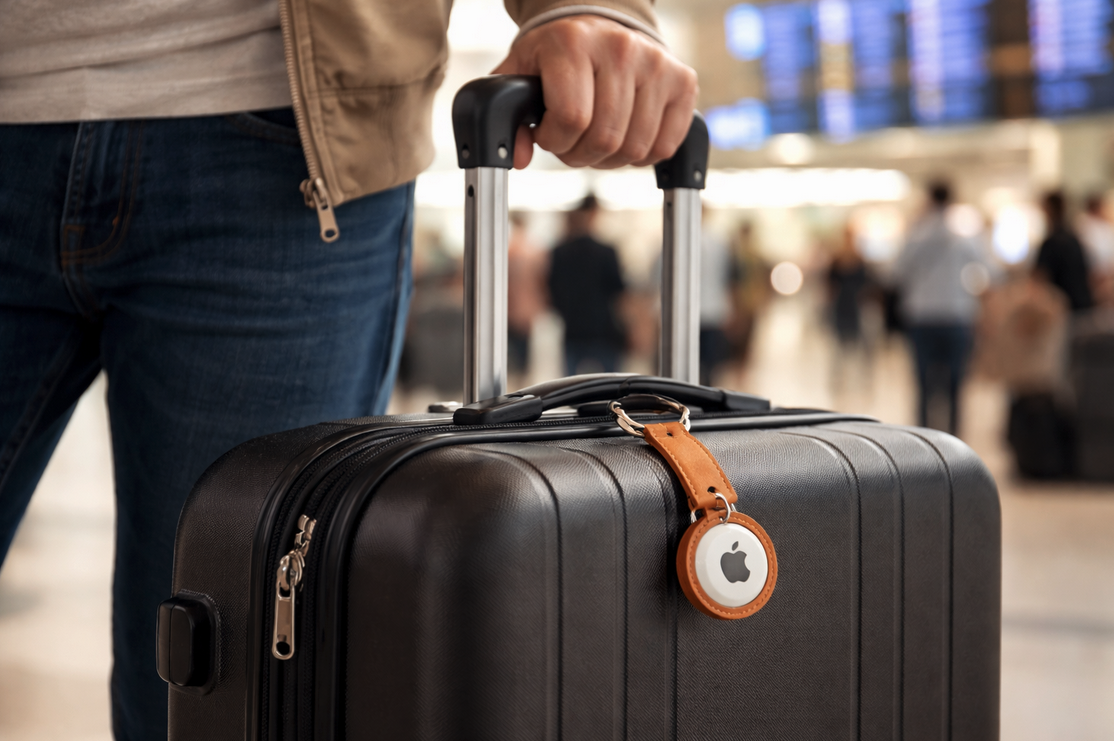
So if you rely on an AirTag to keep tabs on your suitcase, backpack, or camera bag, you can keep doing exactly that.
No airline crackdown expected. 👍
Want to comment on this post? Great! Read this first to help ensure it gets approved.
Want to sponsor a post, write something for Your Mileage May Vary, or put ads on our site? Click here for more info.
Like this post? Please share it! We have plenty more just like it and would love it if you decided to hang around and sign up to get emailed notifications of when we post.
Whether you’ve read our articles before or this is the first time you’re stopping by, we’re really glad you’re here and hope you come back to visit again!
This post first appeared on Your Mileage May Vary

1 comment
Great to know. Thanks.