One of the easiest mistakes tourists make in London happens before they even get on the Tube. For years, we kept buying paper tickets one ride at a time, assuming that was just how you used the Underground.
Those paper tickets got us from point A to point B, but they also meant stopping at a machine before almost every ride. It wasn’t until later that we decided to try using Oyster cards, and at the time, it felt like a huge upgrade.
Instead of buying tickets each time, we could simply tap in and out at the turnstiles. Oyster cards also worked across most of London’s public transport network, including the Tube, buses, trams, the DLR, London Overground, the Elizabeth Line, many National Rail services, and even the Thames Clippers riverboats.
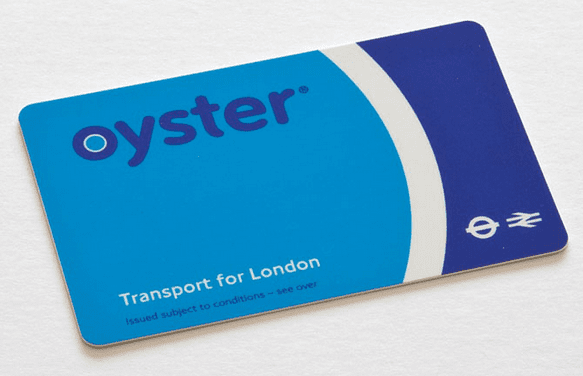
At the time, Oyster cards felt like the future of transit. But just as we were congratulating ourselves for catching up with the latest technology, London moved on again.
These days, many travelers don’t bother with Oyster cards at all. Instead, they simply tap a contactless credit card or mobile wallet and go.
Visitor Oyster Cards vs. Contactless Payments
If you’re visiting London, you’ll often see recommendations to purchase a Visitor Oyster card. These are special versions of the Oyster card marketed specifically to tourists.
A Visitor Oyster card works the same way as a standard Oyster card. You load money onto the card and then tap in and out as you travel. The fare is deducted automatically based on the zones you travel through and the time of day.
However, there’s a catch. Visitor Oyster cards must be purchased in advance and mailed to you before your trip. They also cost a small fee on top of the transit credit you load onto the card.
For many travelers, that extra step just isn’t necessary anymore.
Transport for London accepts contactless payment cards and mobile wallets directly at the turnstiles. When you tap a compatible credit card, debit card, phone, or smartwatch, the system treats it just like an Oyster card. It automatically calculates the correct fare and applies daily or weekly caps so you never pay more than the maximum allowed.
In other words, you get the same benefits as an Oyster card without needing to buy or carry a separate card.
Why You Should Stop Buying Paper Tickets
No matter how you pay—Oyster card, contactless credit card, or mobile wallet—you’ll save money compared to buying single-use paper tickets.
Transport for London uses a zone-based fare system, and the price of a paper ticket is usually much higher than the pay-as-you-go fare. While you can purchase unlimited Travelcards in advance, that requires guessing how much public transportation you’ll use during your trip.
With tap-and-go payments, you don’t have to plan ahead. Just tap in when you start your journey and tap out when you finish. TfL automatically calculates the cheapest fare and applies daily and weekly caps, so you never overpay.
One small detail to keep in mind: the weekly cap runs from Monday through Sunday. If you’re visiting for a long weekend, you might not benefit from the full weekly limit.
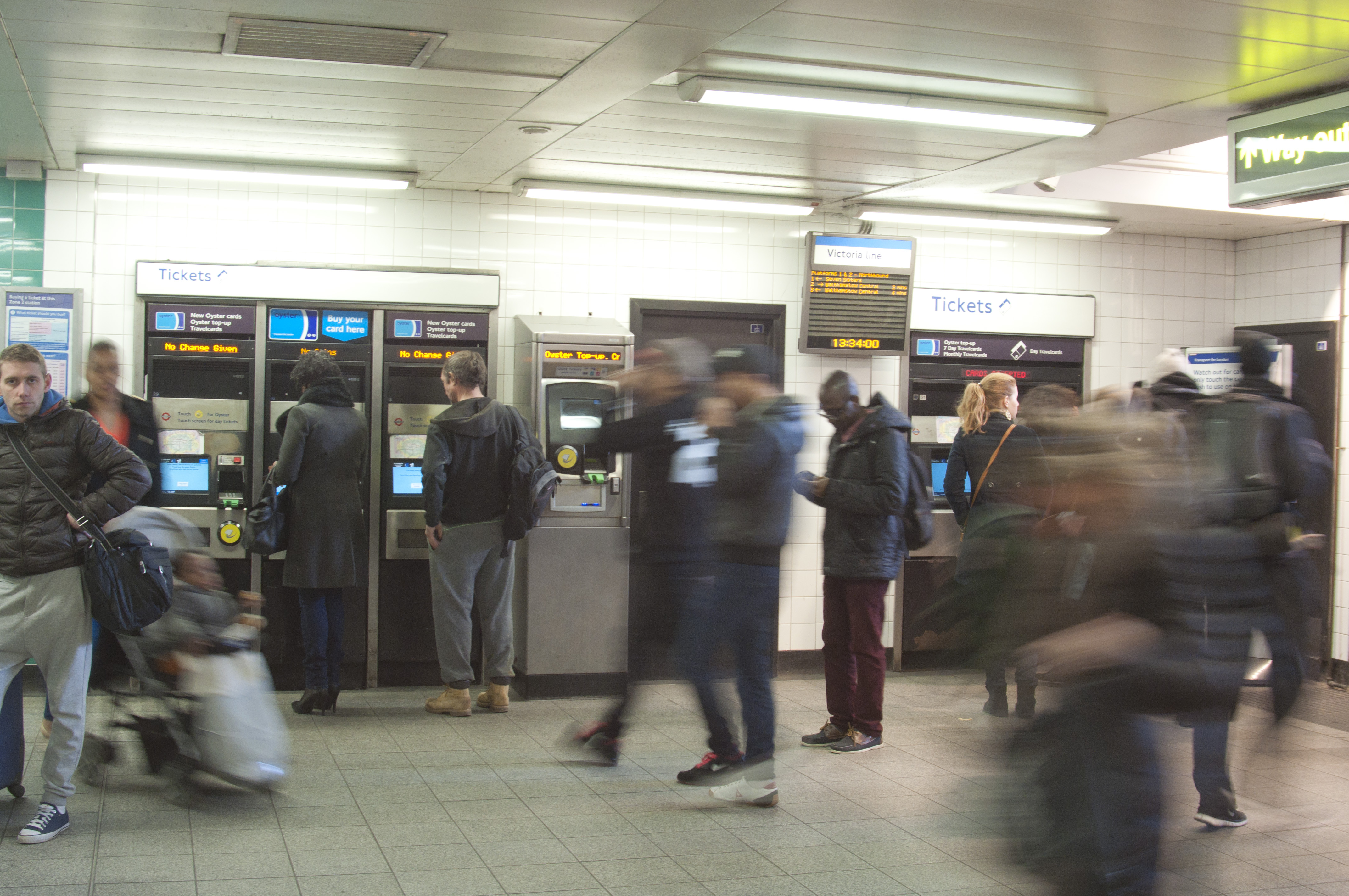
Mobile Payments: The Easiest Option?
On one of our trips, we decided to compare the options ourselves. Sharon insisted on sticking with her trusty Oyster card, while I used Apple Pay.
Many devices and services work with London’s transit system, including:
If you’re using an iPhone or Apple Watch, enabling the Express Transit feature makes things even easier. It allows you to tap your phone or watch without unlocking the device, which is perfect when you’re trying to keep up with London commuters during rush hour.
The One Downside of Oyster Cards
Sharon discovered one of the biggest drawbacks of Oyster cards the hard way. If you drop the card after passing through the turnstile, you’re stuck outside the system unless you can find a staff member to help.
Note from Sharon: Hey, it worked, did it not? He let me through for free. I perfected that “I’m a helpless tourist in a foreign land” look in Japan in 1993 and it’s served me well. Don’t be a hater just because you can’t do it too. LOLOL!
Final Thought
London’s transit system has come a long way from paper tickets and long lines at ticket machines. Today, the easiest way to get around the city is usually the simplest: just tap your credit card or phone and go.
Visitor Oyster cards still work perfectly well, and they can make sense if you prefer using a separate transit card. But for most travelers, a contactless credit card or mobile wallet offers the same fares, the same daily caps, and one less thing to carry.
Skip the ticket machine.
Just tap and ride.
Want to comment on this post? Great! Read this first to help ensure it gets approved.
Want to sponsor a post, write something for Your Mileage May Vary, or put ads on our site? Click here for more info.
Like this post? Please share it! We have plenty more just like it and would love it if you decided to hang around and sign up to get emailed notifications of when we post.
Whether you’ve read our articles before or this is the first time you’re stopping by, we’re really glad you’re here and hope you come back to visit again!
This post first appeared on Your Mileage May Vary


3 comments
I was in London and Paris last fall. Both have contactless payment now for public transit using Apple Pay or tapping a credit card. London was always easier but my last trip to Paris I had to get the multi day paper ticket, feed it through the machine and hope it worked (if not don’t jump the turnstile as you will likely be fined even with a valid ticket). This is so much easier now.
Yes, Tap and Ride works! It is important to use the SAME card/phone/account at each TAP, so Daily Caps are accumulated on the same payment method.
I think there is a small advantage of using a day ticket with the physical card, such as zone 1-6 unlimited card, which allows for Elizabeth line without the tunnel surcharge. Or is it the same with tap and go with credit card?