If you’ve ever walked back into a hotel room after a long day and found it warm, stuffy, or oddly humid, there’s a good chance the thermostat was doing exactly what it was designed to do.
Many hotels now use motion-sensor or occupancy-based thermostats that change the room temperature when they think no one is there. And while it’s easy to assume those systems exist just to save the hotel money, the hospitality industry has a more guest-friendly explanation.
According to companies that make these systems, they’re not just about cutting energy costs. They also claim the technology can help control humidity, protect furniture and walls from moisture buildup, and keep rooms from developing that cold, clammy feeling some hotel rooms seem to have.
Sure they do.
Why Hotels Say These Thermostats Help
To be fair, there is some real science behind the pitch.
In hot, humid climates, hotel rooms can accumulate moisture when temperature and humidity aren’t properly managed. If a room gets too cold while sitting empty for hours, condensation can build up on walls, furniture, and fabrics. Over time, that can lead to dampness, mildew, mold, and the generally unpleasant feeling of walking into a room that never quite feels dry.
That’s the argument behind occupancy-based climate systems. Instead of blasting the air conditioning all day, the thermostat lets the room warm slightly when you’re out, while still cycling enough to manage humidity. In theory, that keeps the room in better shape and helps it feel more comfortable when you return.
So yes, there’s a legitimate explanation here. This isn’t just a made-up excuse.
But Let’s Not Pretend Saving Money Isn’t The Point
Even if the humidity argument is valid, hotels aren’t installing these systems out of pure concern for your comfort.
They’re doing it because the systems also save money. A lot of it.
And that’s the part that always makes me skeptical. Once a hotel has the ability to decide when your room is “occupied” and what temperature is “good enough” while you’re away, guest comfort stops being entirely up to the guest.
Instead, it becomes a management decision.
That’s where the whole thing starts to feel less like climate control and more like cost control.
Because what does “slightly warmer” really mean? A couple of degrees? Five degrees? More? And how long is the system willing to wait before cooling the room back down once you return?
If I come back to the room in the middle of the afternoon to rest for 20 minutes, I don’t really care that the thermostat made an energy-efficient choice while I was gone. I care that the room now feels uncomfortable.
The Problem Isn’t The Technology
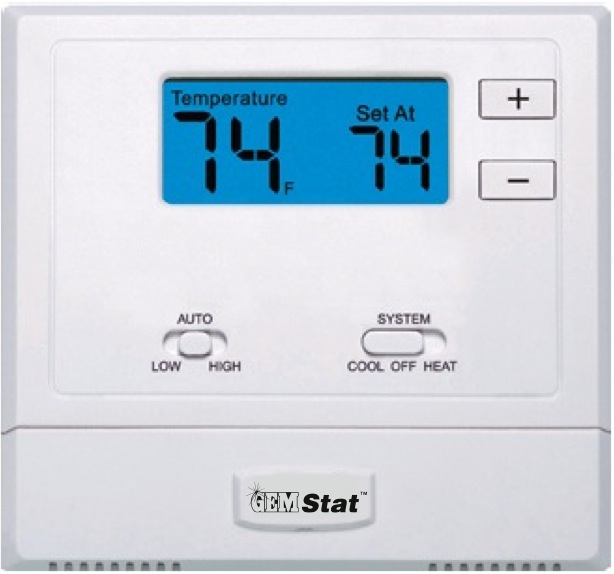
This is really the part that matters most.
I don’t think the problem is that hotels use smarter thermostats. If they’re properly designed and maintained, they probably can help reduce moisture problems in some properties, especially in humid destinations.
The problem is what happens once hotels have that level of control.
We’ve already seen plenty of examples of hotel thermostats that seem to have a mind of their own, limit how low you can set the temperature, or make the displayed temperature feel more like a suggestion than a fact. Once the hotel can remotely manage room climate, it’s not hard to imagine comfort taking a back seat to efficiency.
And in some places, that can be more than just annoying.
If a room is allowed to get too warm while you’re gone, it could affect anything from snacks left on the counter to items that are supposed to stay at normal room temperature. In a place like Orlando in the summer, “slightly warmer” can start turning into something that feels a whole lot less reasonable.
What Guests Actually Experience
That’s why these systems get such a bad reputation.
Hotels may talk about moisture control, furniture protection, and better room conditions. Guests just remember walking into a room that feels hot, sticky, or uncomfortable. They remember waking up in the middle of the night because the air stopped running. They remember fiddling with a thermostat that never seems to do what it’s supposed to.
And once that happens, it’s hard to care what the official explanation is.
Because even if the system is technically doing what it was designed to do, it still feels like the hotel is prioritizing its utility bill over the person paying to sleep there.
Final Thoughts
I do believe that motion-sensor thermostats help with humidity control in some hotel rooms. That part makes sense.
But I also think hotels love these systems because they save money, and any comfort benefits are a lot easier to talk about in marketing materials than in a room that won’t cool down when you want it to.
So yes, hotels can say motion-sensor thermostats improve comfort.
However, I doubt that’s why they spent time and money installing them at their property.
Want to comment on this post? Great! Read this first to help ensure it gets approved.
Want to sponsor a post, write something for Your Mileage May Vary, or put ads on our site? Click here for more info.
Like this post? Please share it! We have plenty more just like it and would love it if you decided to hang around and sign up to get emailed notifications of when we post.
Whether you’ve read our articles before or this is the first time you’re stopping by, we’re really glad you’re here and hope you come back to visit again!
This post first appeared on Your Mileage May Vary