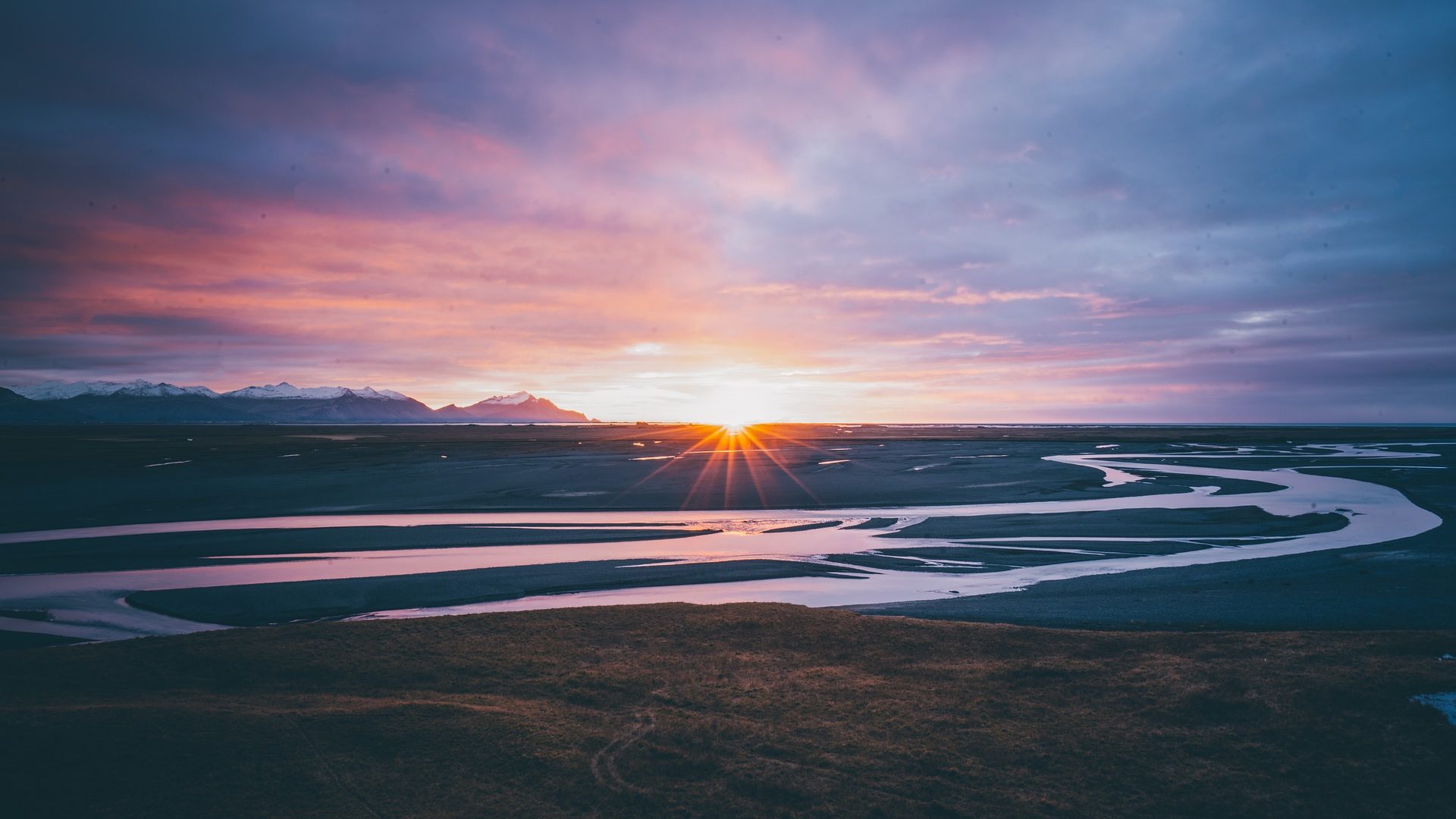
One of the biggest challenges people face when traveling is getting a good night’s sleep. Sometimes it’s the bed. Sometimes it’s the temperature. Sometimes it’s noise, jet lag, or simply being in an unfamiliar place.
But there’s another sleep problem that can sneak up on you if you travel far enough north in the summer:
The sun may barely set.
That sounds amazing when you’re planning a trip. Long days! More time to explore! Beautiful evening light! And yes, all of that is true. But when you’re lying in bed after midnight, and your room still looks like it’s waiting for sunset, it can be a different story.
The Sun Never Sets — Or At Least It Feels That Way
We noticed this during our trip to Iceland. We weren’t there for the full-on “midnight sun,” but it was still the farthest north we’d ever traveled, and the long daylight hours were impossible to ignore.
It’s one thing to know, in theory, that daylight lasts longer the farther north you go in the summer. It’s another thing to experience it when you’re trying to wind down for the night, and your brain is still getting signals that it’s daytime.
During our visit, I checked the sunrise and sunset times for Reykjavík:
- Sunrise: 3:27 AM
- Sunset: 11:36 PM
- Total daylight: 20 hours, 9 minutes
That’s a lot of daylight, especially when you’re used to the sun going down at a more reasonable hour.
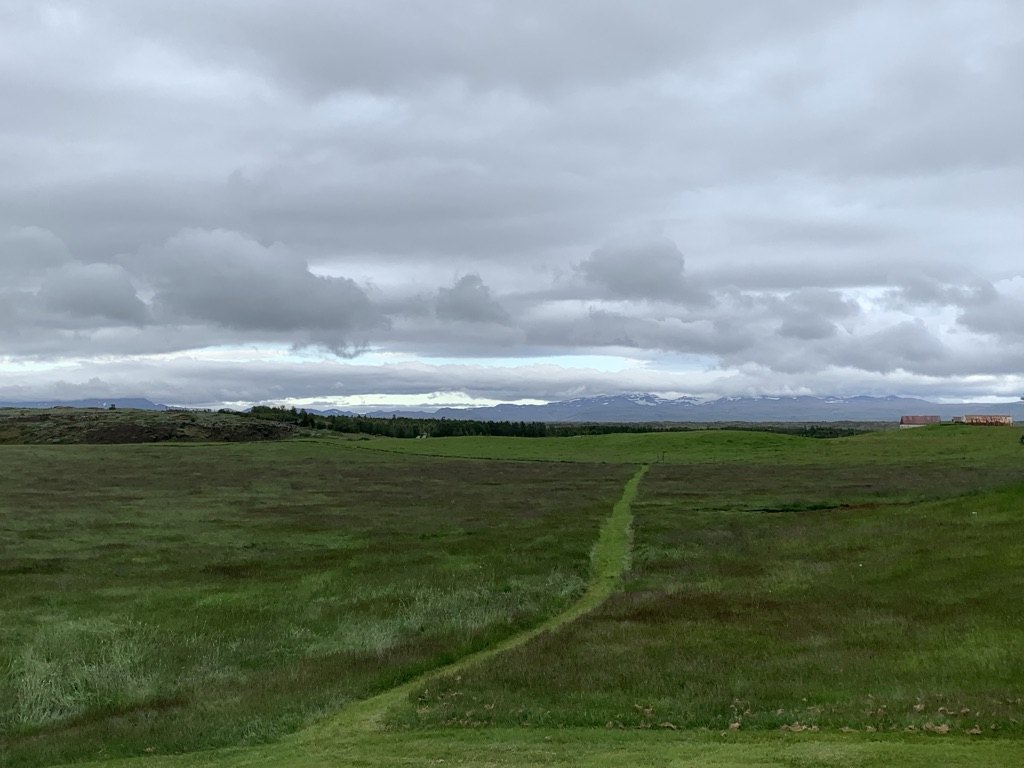
And when you looked outside, it really did still feel bright late into the evening.
Beautiful, But Not Great When You’re Trying To Sleep
There’s something pretty incredible about being somewhere where the days stretch on for what feels like forever. It makes sightseeing easier, road trips more scenic, and evenings feel almost surreal.
But eventually, you still have to sleep.
We stayed at a few different places around Iceland, and several reviews mentioned blackout blinds or curtains. Some were better than others. But even when a room technically had dark curtains, there could still be light sneaking in around the edges.
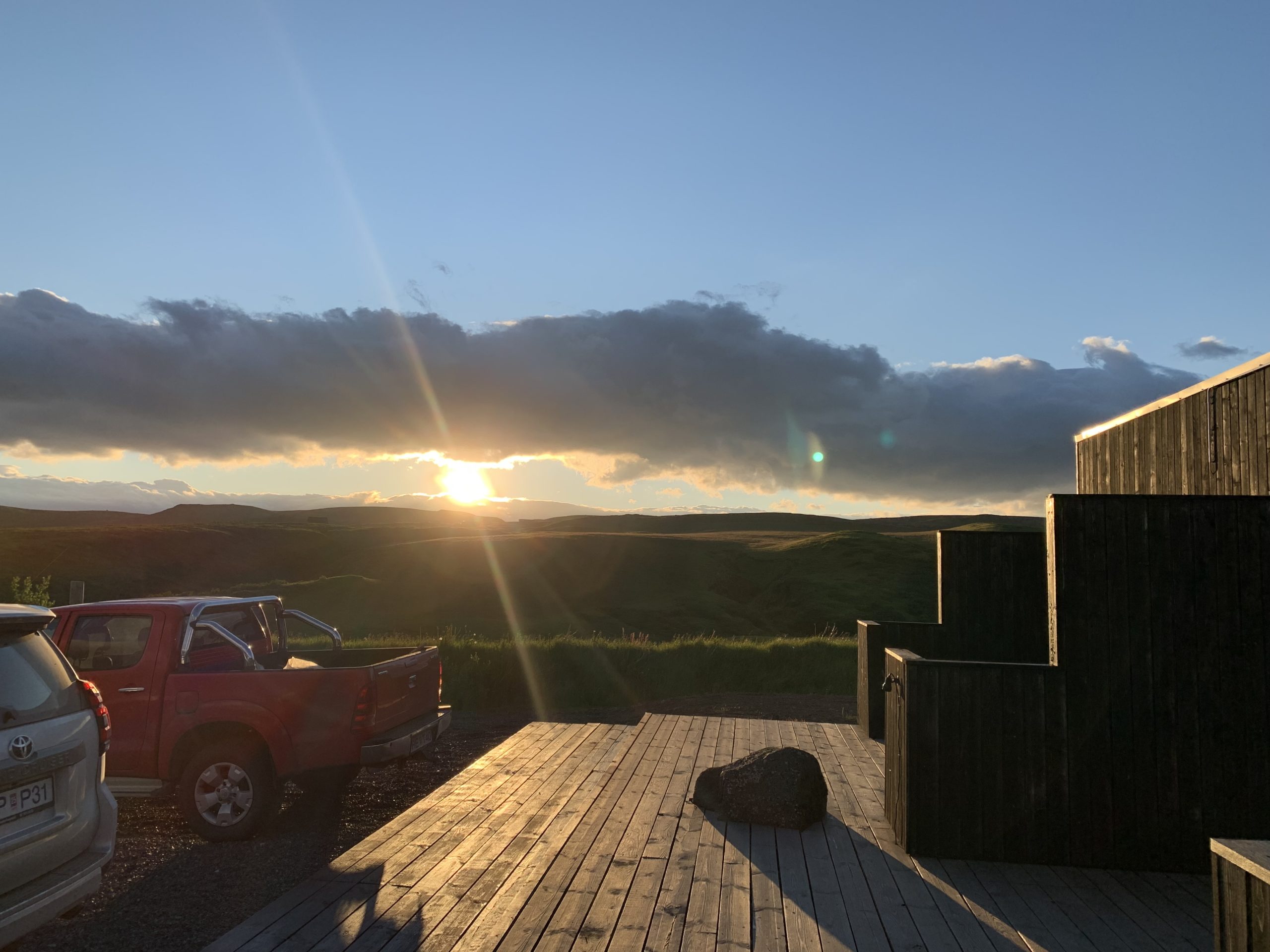
My wife always packs an eye mask when we travel. I usually don’t need one unless the sun is aimed right at my face, like it was during our cabin stay in Tennessee. But for Iceland, I followed her lead and brought one, too.
That turned out to be the right call.
Our accommodations generally did a decent job with dark curtains, but this is what one room looked like with the blinds drawn:
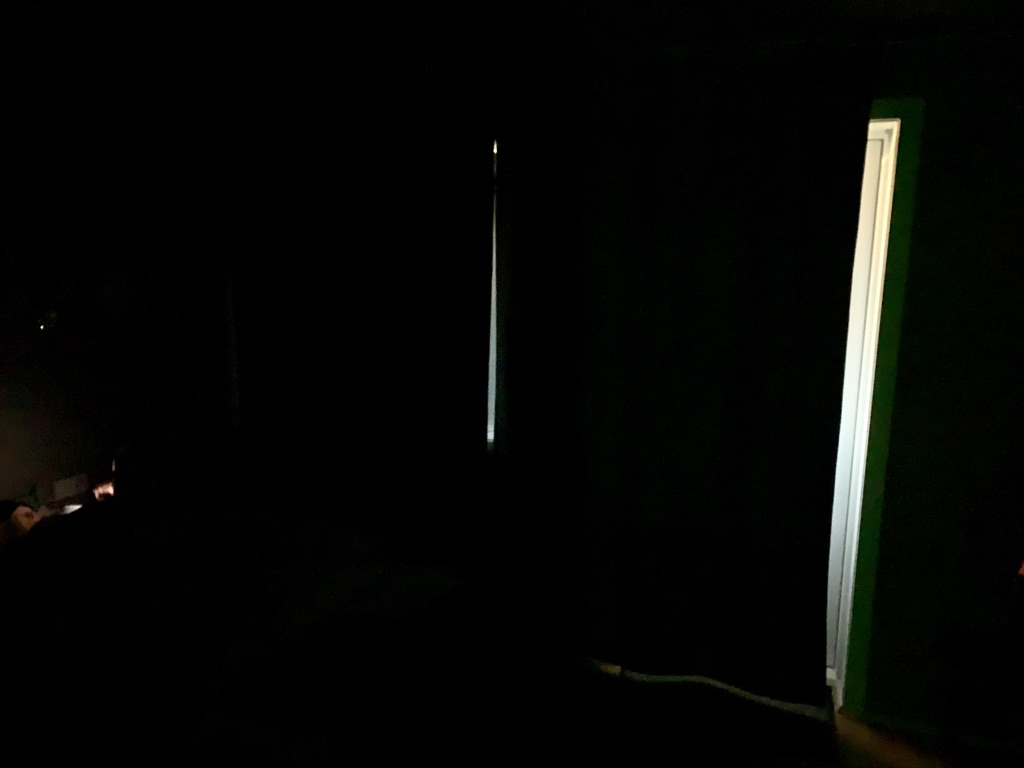
Not pitch black, but good enough to help us get some rest.
What To Pack If You’re Visiting Iceland In Summer
If you’re traveling somewhere with very long daylight hours, don’t assume your hotel, Airbnb, or guesthouse will have perfect blackout curtains. Some places may do a great job. Others may not. And even a small amount of light can be enough to make it harder to fall asleep.
A few things worth packing include:
- A comfortable sleep mask, preferably one you’ve tested before the trip
- Small clips or clothespins to close gaps in curtains
- White noise or sleep sounds if the room feels too quiet or unfamiliar
- A consistent bedtime routine, especially if you’re also dealing with jet lag
The same general advice used for jet lag can also help here: control your light exposure, keep your sleep schedule as consistent as possible, and make your room feel as dark and familiar as you can.
And if you still need help falling asleep, no matter where you are, this method claims you can doze off in two minutes.
This Isn’t Just An Iceland Problem
Iceland is one of the places where travelers may notice this the most, but it’s not the only one. Alaska, Norway, Sweden, Finland, parts of Canada and other northern destinations can all have extremely long daylight hours during the summer.
That doesn’t mean you should avoid visiting. In fact, the long days can be one of the best parts of the trip. You can spend more time outdoors, drive scenic routes later in the evening, and see landscapes in light that feels completely different from what you’re used to at home.
You just need to remember that your body may not find it as charming when you’re trying to fall asleep.
Other Reasons Sleeping While Traveling Can Be Hard
Of course, daylight is only one reason it can be tough to sleep away from home. Travelers may also deal with unfamiliar beds, room temperature issues, noise, jet lag or simply not feeling as comfortable as they do in their own bedroom.
We’ve written about several of those problems before, including ways to feel more secure in your hotel room, what to try when the thermostat won’t cooperate, apps that can help with noise or quiet, real-world jet lag tips and which hotel chains are known for better beds.
Bottom Line
The midnight sun, or even the almost-midnight sun, can be one of the most memorable parts of visiting Iceland or other northern destinations in summer. It’s beautiful, unusual and something you may not fully appreciate until you experience it in person.
But when it’s time to sleep, all that extra daylight can be a challenge.
If you’re heading somewhere where the sun barely sets, pack a good sleep mask, don’t count on perfect blackout curtains, and do what you can to make your room feel dark and familiar. That way, the endless daylight can be part of the adventure instead of the reason you’re exhausted the next morning.
Have you ever struggled to sleep somewhere where the sun barely sets? How did you handle it?
Cover Image by Matty Rogers from Pixabay
Want to comment on this post? Great! Read this first to help ensure it gets approved.
Want to sponsor a post, write something for Your Mileage May Vary, or put ads on our site? Click here for more info.
Like this post? Please share it! We have plenty more just like it and would love it if you decided to hang around and sign up to get emailed notifications of when we post.
Whether you’ve read our articles before or this is the first time you’re stopping by, we’re really glad you’re here and hope you come back to visit again!
This post first appeared on Your Mileage May Vary