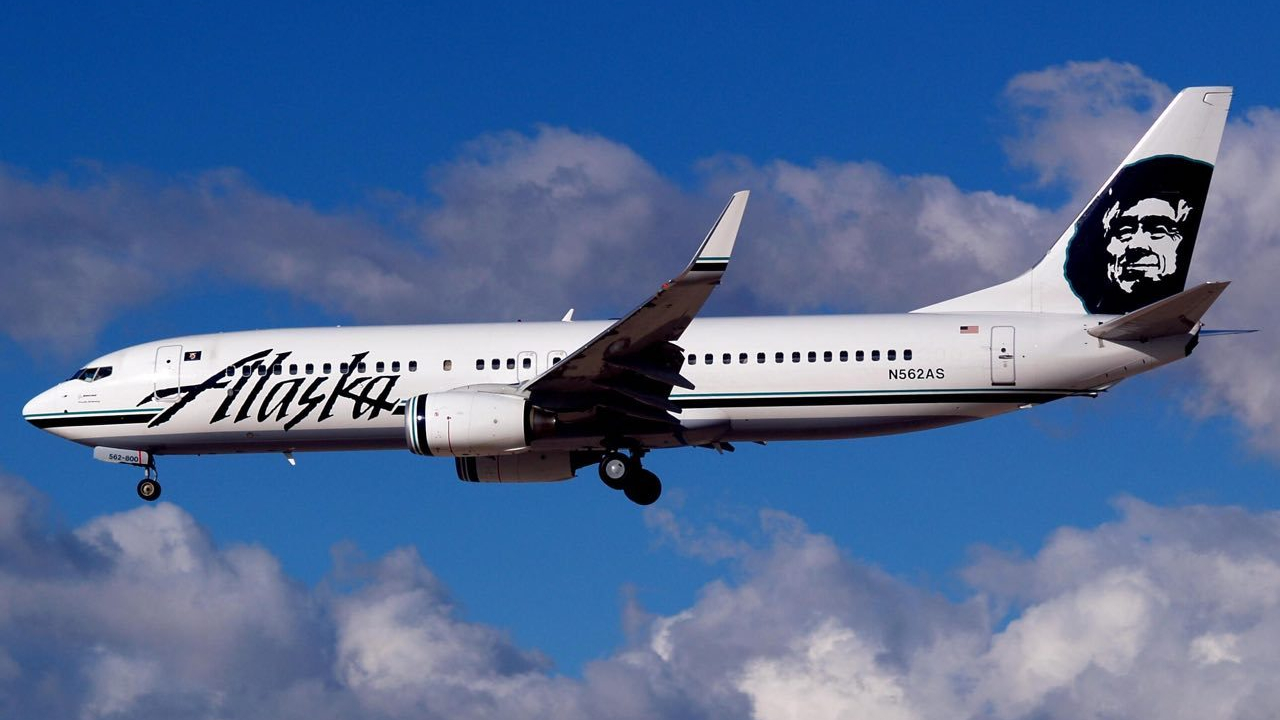
Earlier this year, Delta Air Lines updated its rules around in-flight comfort accessories, citing safety concerns. Alaska Airlines has now followed suit, quietly rolling out similar restrictions. For some travelers, that means familiar comfort items may no longer be allowed onboard.
Alaska Airlines’ updated guidelines for travel accessories
Alaska Airlines updated its “travel accessories” policy to clarify which comfort items are and aren’t allowed onboard. According to Alaska Airlines, the policy is intended to balance passenger comfort with safety requirements and the design limitations of the aircraft.
From Alaska Airlines:
When you travel with us, we want you to have the best and most relaxing experience possible. While we welcome you to bring items to make your trip with us more enjoyable, certain devices aren’t allowed for the safety and comfort of everyone onboard and of the aircraft itself.
Some things to remember if you’re bringing any comfort devices:
- Any travel products that extend from your seat space or otherwise change the overall seating position of a passenger:
- Must not hang from, or be attached to, the seat or any part of the aircraft
- Must not impede or affect the use of another passenger’s seat, including access to the aisle, seat recline, or use of tray table
- Must be stowed during taxi, takeoff, and landing
- Must be able to properly fasten your seat belt when the device is in place
Note: Large inflatable items such as footrests and travel mattresses are not allowed.
If you’re bringing devices to hold your personal electronics:
- Any travel products that allow passengers to hang, clip, or attach their personal electronic device to the seat back in front of them:
- Must not affect the use of another passenger’s seat or seat recline
- Must not obscure any posted signs/placards
- Must not infringe on the personal space of another passenger
- Must not damage or permanently mark any component of the seat or aircraft
- Must be stowed for taxiing, takeoff, and landing
If you’re bringing any items that may alter the aircraft interior:
- Remember that cabin components, furnishings, and fixtures must not be altered or operated in any way that interferes with their original design or performance specifications.
Some examples of seat accessories that are prohibited:
- Foot hammocks
- Travel mattresses
- Large inflatable items
- Airplane window cupholders
- Baby airplane beds
Note: If you’re unsure whether your product is allowed on the aircraft, please review our list of prohibited items.
Our take on this
We understand why airlines are tightening rules around in-flight accessories. Items that block aisles, interfere with seats, or alter cabin equipment can create real safety issues—especially during taxi, takeoff, and landing. At the same time, it’s easy to see why travelers feel frustrated as more comfort-focused products are restricted in an already tight cabin environment.
For travelers, the takeaway is simple: rules around in-flight comfort accessories are becoming more specific, and they’re not always consistent from airline to airline. Checking an airline’s guidance before you pack—and being prepared to stow or skip certain items—can help avoid surprises at the gate or onboard.
Want to comment on this post? Great! Read this first to help ensure it gets approved.
Want to sponsor a post, write something for Your Mileage May Vary or put ads on our site? Click here for more info.
Like this post? Please share it! We have plenty more just like it and would love it if you decided to hang around and sign up to get emailed notifications of when we post.
Whether you’ve read our articles before or this is the first time you’re stopping by, we’re really glad you’re here and hope you come back to visit again!
This post first appeared on Your Mileage May Vary