When Americans first start traveling overseas, there’s a natural tendency to look for hotel names they already know.
That’s how we ended up staying at a Best Western on our first trip to Paris and the Westin Tokyo on my first visit to Japan.
At the time, it felt like the safe move. Book a brand you recognize, assume you know what you’re getting, and remove at least one variable from the trip.
But over time, I learned that’s not always how it works.
A Familiar Brand Abroad Isn’t Always The Same Experience
Sometimes, a hotel with a familiar name is exactly what you want. Other times, it’s just a more expensive version of “fine.” And every now and then, it’s a reminder that a chain you know in the U.S. may not feel the same once you’re in another country.
That Best Western in Paris definitely fell into the latter category. It wasn’t the best hotel we could have booked, and the plumbing didn’t even work on the first day of our stay.
The Westin Tokyo, on the other hand, was excellent. We booked it with SPG points, so the price wasn’t an issue. But had we been paying cash, I never would have wanted to spend that much for the room.
That was probably the beginning of my mindset shift. A big international chain might feel familiar, but that doesn’t automatically make it the best option.
Sometimes, The Better Stay Is With A Local Chain
Once we got more comfortable traveling internationally, staying at a global brand didn’t feel nearly as important. In fact, some of our best hotel experiences overseas have been at local or regional chains.
That happened when we visited Nagoya for the World Expo and booked a room at the Nagoya Tokyu Hotel through Expedia.
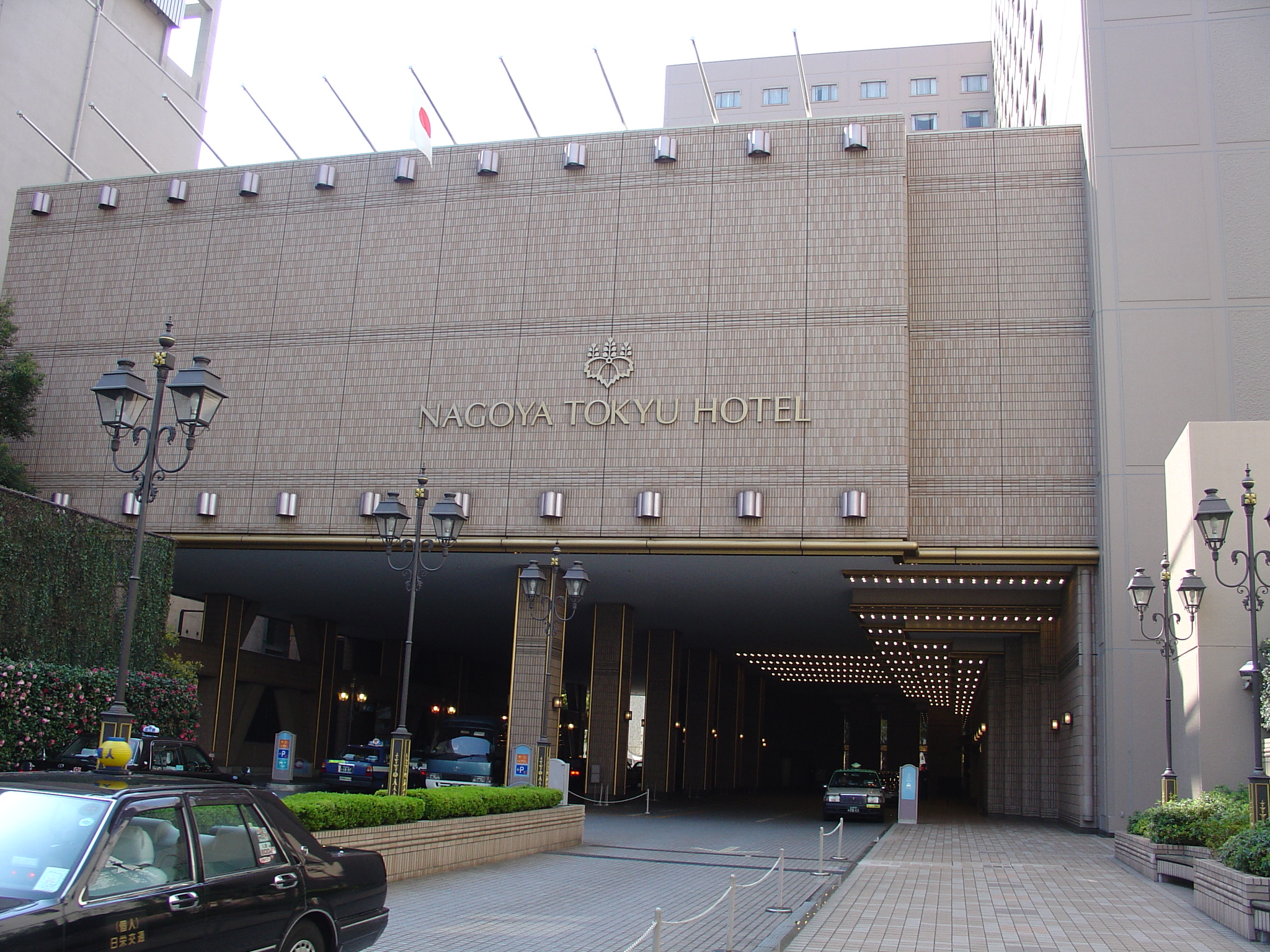
We were treated better than at almost any hotel we’d stayed at before.
We had walked from the train station in the rain and arrived completely drenched. The hotel staff met us at the door, took our bags, and dried them off as we made our way to check-in. At the same time, other staff members were wiping down the floor behind us so the lobby wouldn’t stay wet.
Later, when it was time to move on to our next hotel, the staff helped us arrange to ship our luggage by courier and filled out all the forms in Japanese for us.
It was one of those stays that completely reset my expectations.
Needless to say, the next time we visited Japan, we didn’t hesitate to book another Japanese hotel.
Value Matters, Too
For a later trip to Tokyo, we stayed at the Keio Plaza Hotel.

It was centrally located, worked perfectly for a three-night stay, and cost about half as much as the international chain options we were considering from IHG and Marriott.
We also had no problem getting by despite speaking no Japanese. In fact, the hotel signed me up for its loyalty program, which then sent me newsletters from Japan for the next two years.
That’s the other part of this lesson: local chains are not automatically harder to navigate. In many cases, they’re just as easy for foreign visitors, and sometimes they’re better prepared for the destination they’re in than the big global brands.
What’s interesting is that this doesn’t necessarily mean giving up on hotel points entirely. Both of those hotels are now part of the I Prefer Hotel Rewards program, so today there’s at least a chance you could earn points on a paid stay or even find another loyalty angle while still booking a local brand.
It’s Not Just Japan
This hasn’t only been true on our trips to Japan.
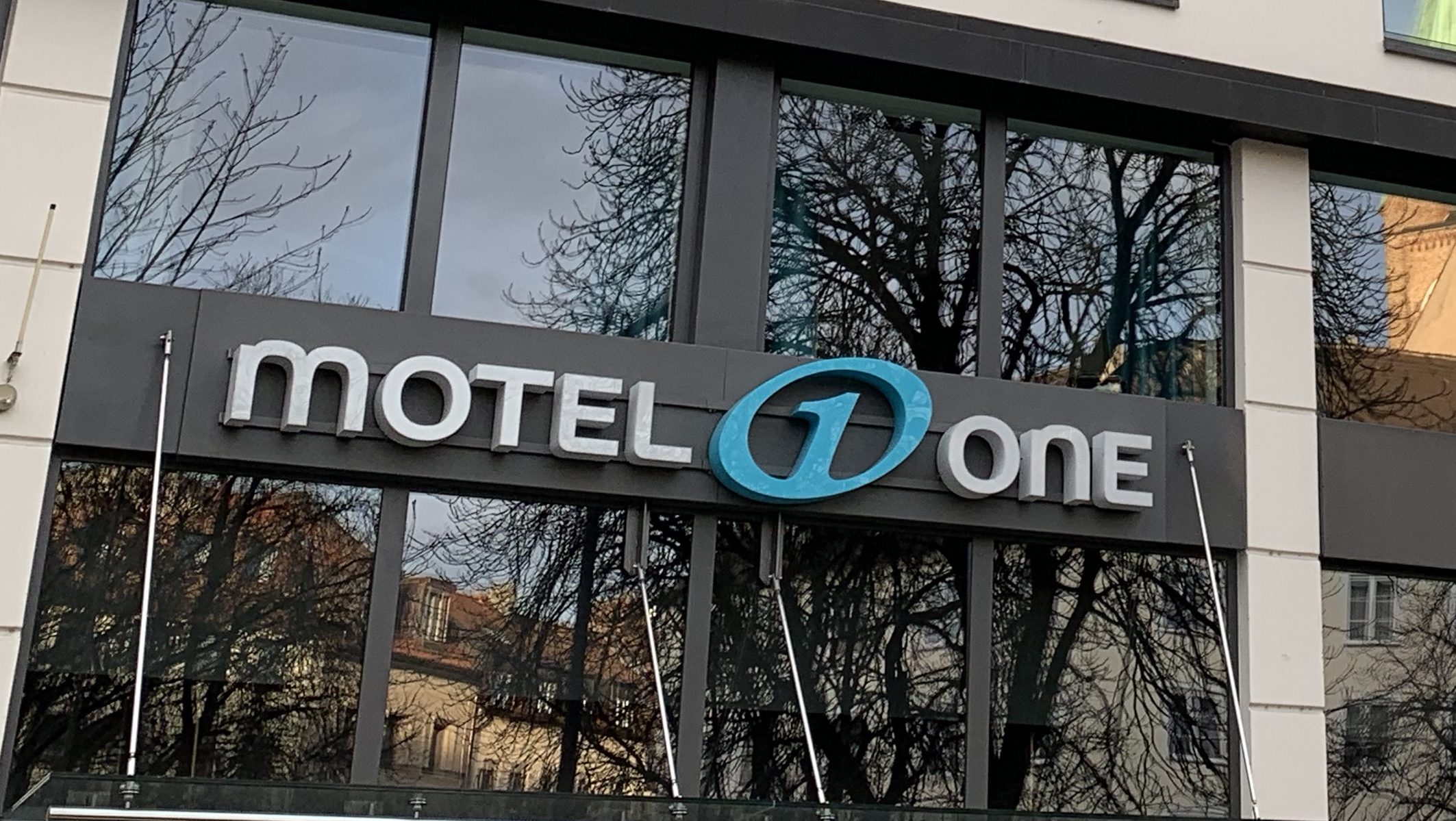
On a trip to Germany, we stayed at the Motel One Sendlinger Tor in Munich. The room was small, but it was absolutely worth the price we paid compared to what the major chains were charging.
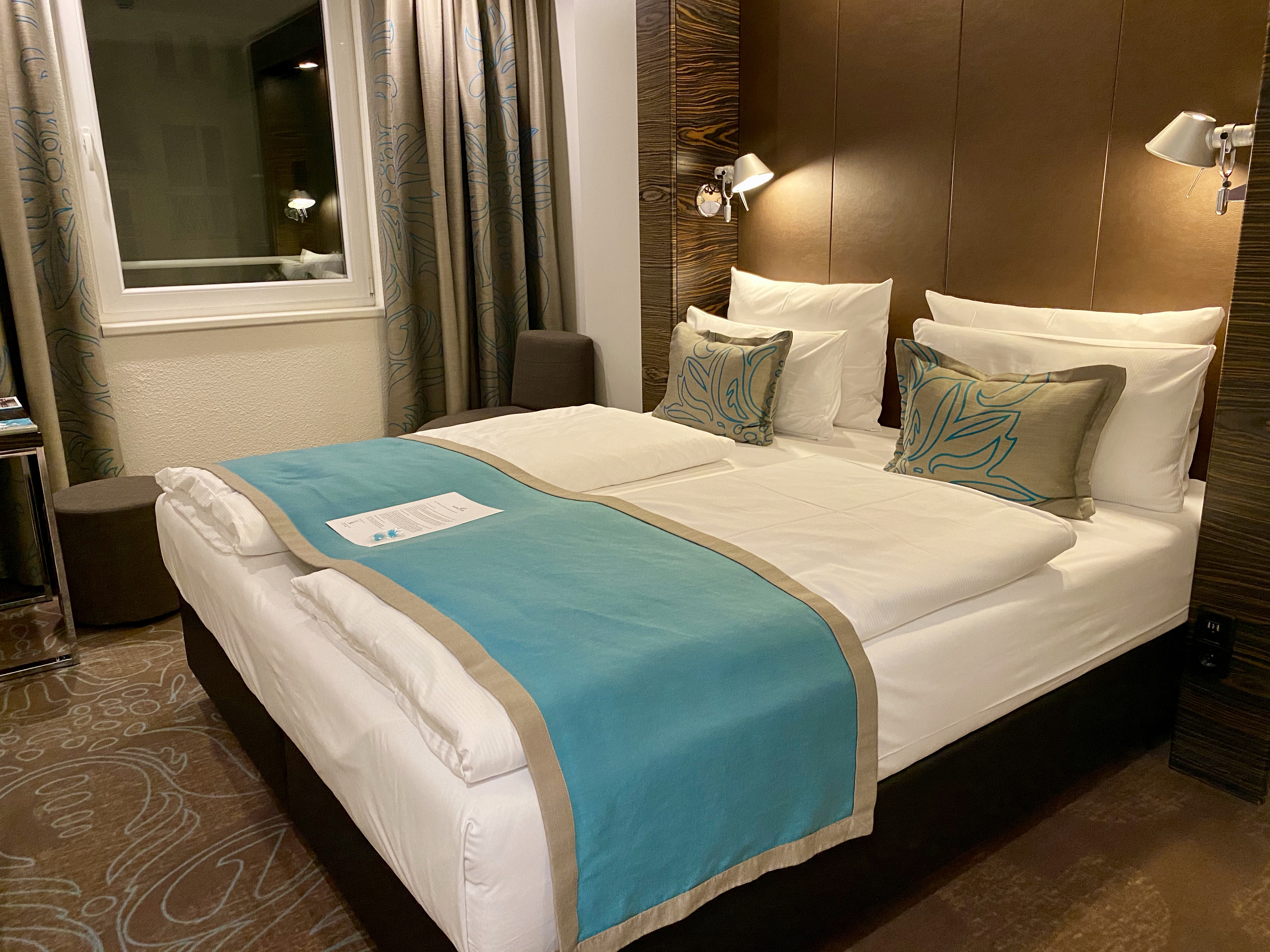
The staff also switched from German to English the moment we walked up to the counter, which still feels a little strange to me because I hate being that American tourist. But the truth is that Americans really are pretty easy to spot.
We’ve seen this play out in more recent trips, too.
When we visited Reykjavik, we stayed at the Skuggi Hotel, part of the local Keahotels group. It wasn’t tied to a major U.S. chain, but it was exactly what we needed—modern, comfortable, and well-located for exploring the city.
And just like in Japan and Germany, we didn’t feel like we were giving anything up by skipping the big international brands. If anything, it reinforced the idea that some of the best stays come from hotels you might not recognize before you book them.
Hotel Brands Don’t Always Mean The Same Thing Overseas
One other thing I’ve learned over time is that even when you recognize the hotel’s name, that still doesn’t mean the experience will match what you think it is in the U.S.
Take Choice Hotels, for example. In Scandinavia, the hotel landscape tied to that name has long looked very different from what many Americans would expect. In fact, the former Nordic Choice Hotels group has since rebranded as Strawberry, which makes the whole point even clearer: the branding, positioning, and hotel experience overseas may not line up with what a U.S. traveler assumes from the name alone.
Radisson is another example. In Europe, Radisson Blu has a much stronger and more upscale identity than the version of “Radisson” many Americans may remember from domestic travel.
And sometimes it’s even simpler than that. A name like Travelodge can mean one thing in the U.S. and something quite different in the U.K.
That’s really the point: don’t make too many assumptions based on a logo. Whether the hotel is part of a global chain, a regional chain, or a local brand, it’s worth judging the property on what it actually offers in that destination—not just on whether the name feels familiar.
Final Thought
What I’ve learned over the years is that there’s no reason to shy away from local hotel chains when traveling overseas.
If you can book a major chain hotel on points or use a free-night certificate, that can absolutely make sense. But if you’re paying cash, the better value is often with a local or regional brand. International visitors tend to flock to the names they already know, and those hotels often price accordingly.
That doesn’t mean the big chains are bad. It just means they shouldn’t get an automatic win because the logo looks familiar.
Sometimes the hotel you’ve never heard of is the one you’ll remember most.
Want to comment on this post? Great! Read this first to help ensure it gets approved.
Want to sponsor a post, write something for Your Mileage May Vary, or put ads on our site? Click here for more info.
Like this post? Please share it! We have plenty more just like it and would love it if you decided to hang around and sign up to get emailed notifications of when we post.
Whether you’ve read our articles before or this is the first time you’re stopping by, we’re really glad you’re here and hope you come back to visit again!
This post first appeared on Your Mileage May Vary