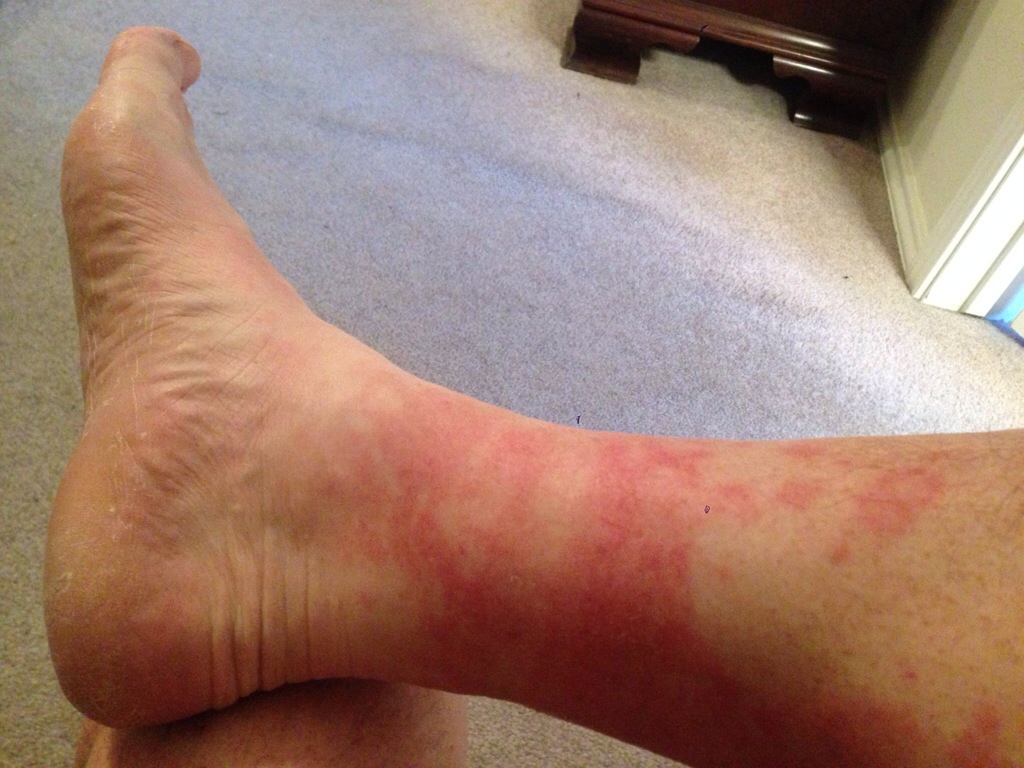
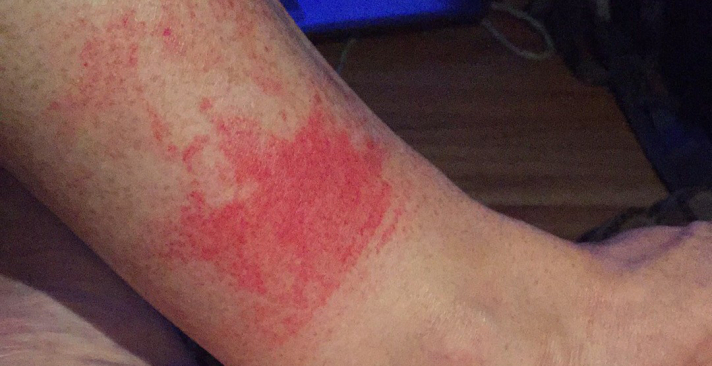
If you’ve ever spent a long summer day walking around Disney, playing golf, hiking, running, or doing anything outside in serious heat, you may have noticed something strange afterward: a red, blotchy rash on your lower legs.
It probably showed up just above your socks. Maybe it was itchy, burning, or just looked alarming. Maybe you woke up the next morning, looked down and thought, “What the heck happened to my legs?”
If that sounds familiar, you may have had what many people call “Disney rash.”
Before going any further, let’s get the obvious disclaimer out of the way: we’re a travel blog, not a medical site. If you’re having a medical emergency, have severe pain, fever, swelling in one leg, blisters, open sores, trouble breathing, or anything that feels serious or unusual, stop Googling and get medical help.
But if you’re otherwise fine and simply wondering why your legs look like they objected to your vacation plans, this is a surprisingly common travel-related problem.
What Is Disney Rash?
“Disney rash” is the nickname many people use for a condition called exercise-induced vasculitis. It also goes by several other names, depending on where people get it or what they were doing when it happened:
- Golfer’s rash
- Hiker’s rash
- Runner’s rash
- Golfer’s vasculitis
- Exercise-induced vasculitis
The Disney nickname makes sense because it often happens to people who spend several hot days walking around theme parks. But Disney doesn’t cause it. Long periods of walking or standing in the heat are the bigger issue.
That means it can happen at Walt Disney World, Disneyland, Universal, Dollywood, a golf course, a hiking trail, a summer festival, or just about anywhere else where you suddenly ask your legs to do more than usual in hot weather.
Why Does It Happen?
The short version is that exercise-induced vasculitis tends to happen when prolonged activity, heat and circulation all collide.
Think about what happens on a summer theme park trip. You may normally walk a few thousand steps a day at home, then suddenly spend several days walking miles in heat and humidity. Your legs are doing more work than usual, your body is trying to regulate heat, and fluid can build up in your lower legs.
That combination can irritate small blood vessels in the skin, leading to the red or purplish blotches people notice on their calves, ankles or lower legs.
One of the telltale signs is that the rash often starts above the sock line. That’s because socks and shoes provide some compression, so the area beneath them may be spared while the exposed skin above it shows redness.
A lot of people assume it’s caused by the sun, but that’s not always the case. Heat and exertion appear to be bigger factors, which is why it can happen even on cloudy days.
Is Disney Rash Dangerous?
In many cases, exercise-induced vasculitis is more annoying and unattractive than dangerous. It often goes away on its own once the triggering activity stops, usually within several days to about a week or two.
That said, the problem with looking up rashes online is that many different things can look similar. Cellulitis, allergic reactions, blood clots, infections, autoimmune conditions and other forms of vasculitis are not things you want to casually dismiss because you read a travel blog post.
So while Disney rash is usually harmless, don’t ignore symptoms that seem severe, unusual or different from what you’ve experienced before. When in doubt, get it checked.
What Can You Do If You Get It?
There isn’t a magic cream that makes Disney rash disappear immediately. Since the trigger is usually heat plus prolonged activity, the most helpful treatment is often giving your legs a break.
Things that may help include:
- Resting and limiting long walks or outdoor activity until it improves
- Elevating your legs when you’re sitting or lying down
- Using cool towels or cold compresses on the affected areas
- Staying hydrated, especially if you’re still spending time outside
- Using an over-the-counter hydrocortisone cream if the area is itchy
- Taking an antihistamine if itching is bothering you, assuming it’s safe for you to take one
- Wearing compression socks or stockings if swelling is part of the problem
For most travelers, the most frustrating part is that the rash usually fades on its own timeline. In other words, it may not fully clear up until after your vacation ends and your legs are no longer being subjected to 20,000-step days in 90-degree heat.
Which, admittedly, is not the most satisfying answer when you’re still walking around the parks.
Can You Prevent Disney Rash?
If you’ve had this before, prevention is where things get more useful.
The biggest thing is to avoid going from zero to theme-park marathon overnight. If you know you’re taking a trip that will involve miles of walking every day, start walking more before you leave. You don’t have to train like you’re running a race, but getting your body used to more activity can help.
Compression socks may also help, especially if your legs tend to swell when you travel. They can be useful on the plane, too, since many travelers deal with swollen feet and ankles after flying. We’ve written before about why compression socks can be helpful when flying, and this is another situation where they may be worth considering.
Taking breaks also matters. That’s not always easy at a theme park, where the instinct is to push through because tickets are expensive and there’s always one more ride, show or snack calling your name. But sitting in the air conditioning for a while, elevating your legs when possible, and cooling down before heading back out can make a difference.
You may also want to pay attention to salt. Vacation eating is part of the fun, but salty foods can contribute to fluid retention. Popcorn, pretzels, fries, chips and hot dogs may be vacation staples, but if your legs are prone to swelling, a steady diet of salt plus heat plus walking may not be doing you any favors.
Some people also swear by things like cool baths at the end of the day, massaging their legs, wearing lighter clothing, or taking more frequent indoor breaks. The evidence for some of those ideas is more anecdotal, but staying cool and reducing leg swelling are both sensible goals.
Final Thought
Disney rash sounds like one of those made-up internet conditions, but exercise-induced vasculitis is a real thing. It just happens to have picked up a vacation-friendly nickname because so many people notice it after long, hot days at theme parks.
The good news is that it’s usually temporary. The bad news is that if you’re walking miles every day in Florida heat, your legs may decide to make their displeasure visible.
So if you know you’re prone to it, plan ahead. Walk more before your trip, consider compression socks, take breaks, stay hydrated, and don’t be shocked if your body reacts when you suddenly ask it to do five vacation days’ worth of steps in summer heat.
Your mileage, and your lower legs, may vary.
Want to comment on this post? Great! Read this first to help ensure it gets approved.
Want to sponsor a post, write something for Your Mileage May Vary, or put ads on our site? Click here for more info..
Like this post? Please share it! We have plenty more just like it and would love it if you decided to hang around and sign up to get emailed notifications of when we post.
Whether you’ve read our articles before or this is the first time you’re stopping by, we’re really glad you’re here and hope you come back to visit again!
This post first appeared on Your Mileage May Vary