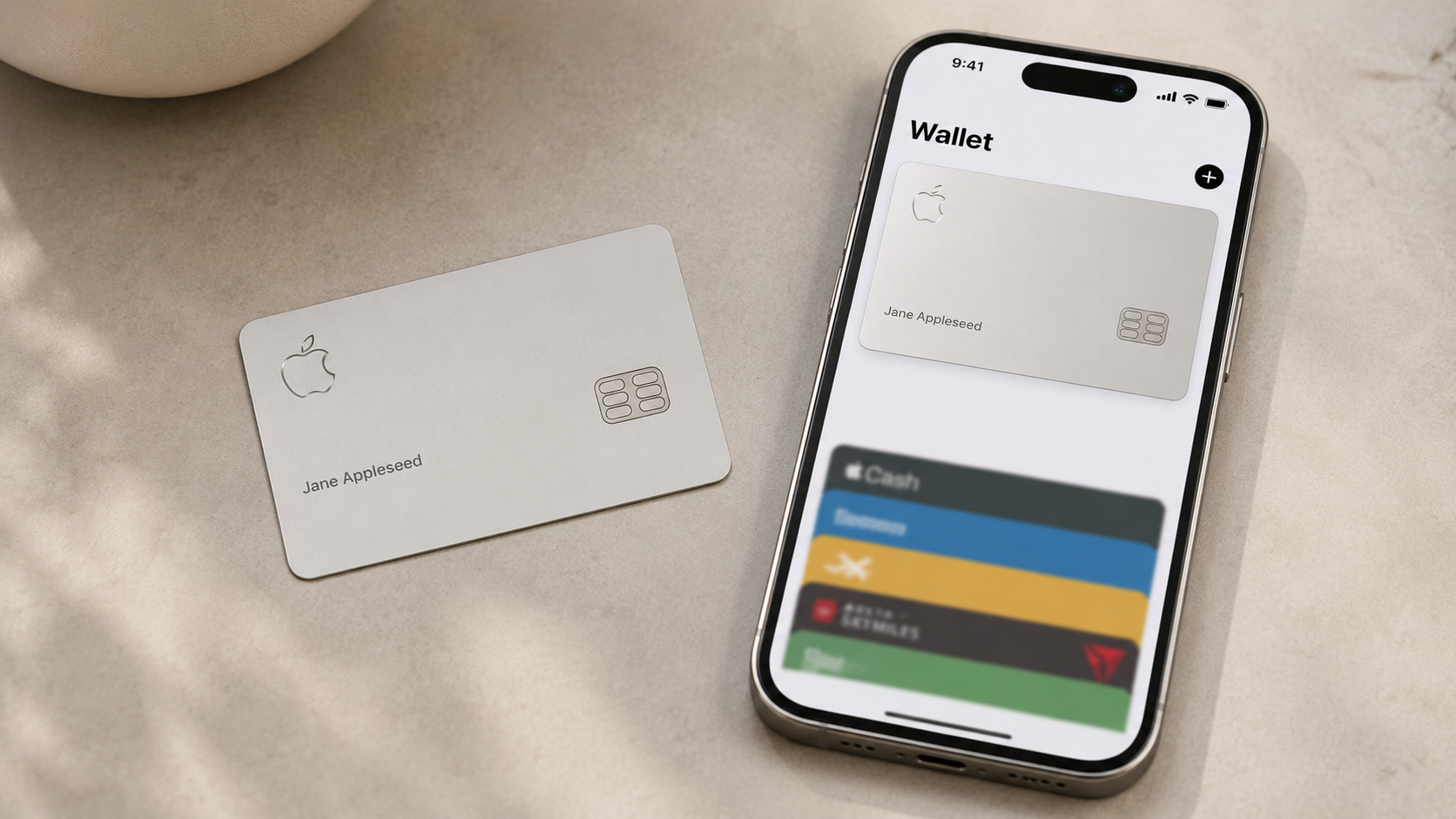
t The Apple Card has always been a little different.
That was true from the moment Apple introduced it. Unlike most credit cards, the Apple Card wasn’t really designed around the physical card. It was designed around the iPhone, the Wallet app and Apple Pay.
Still, the physical card was part of the appeal.
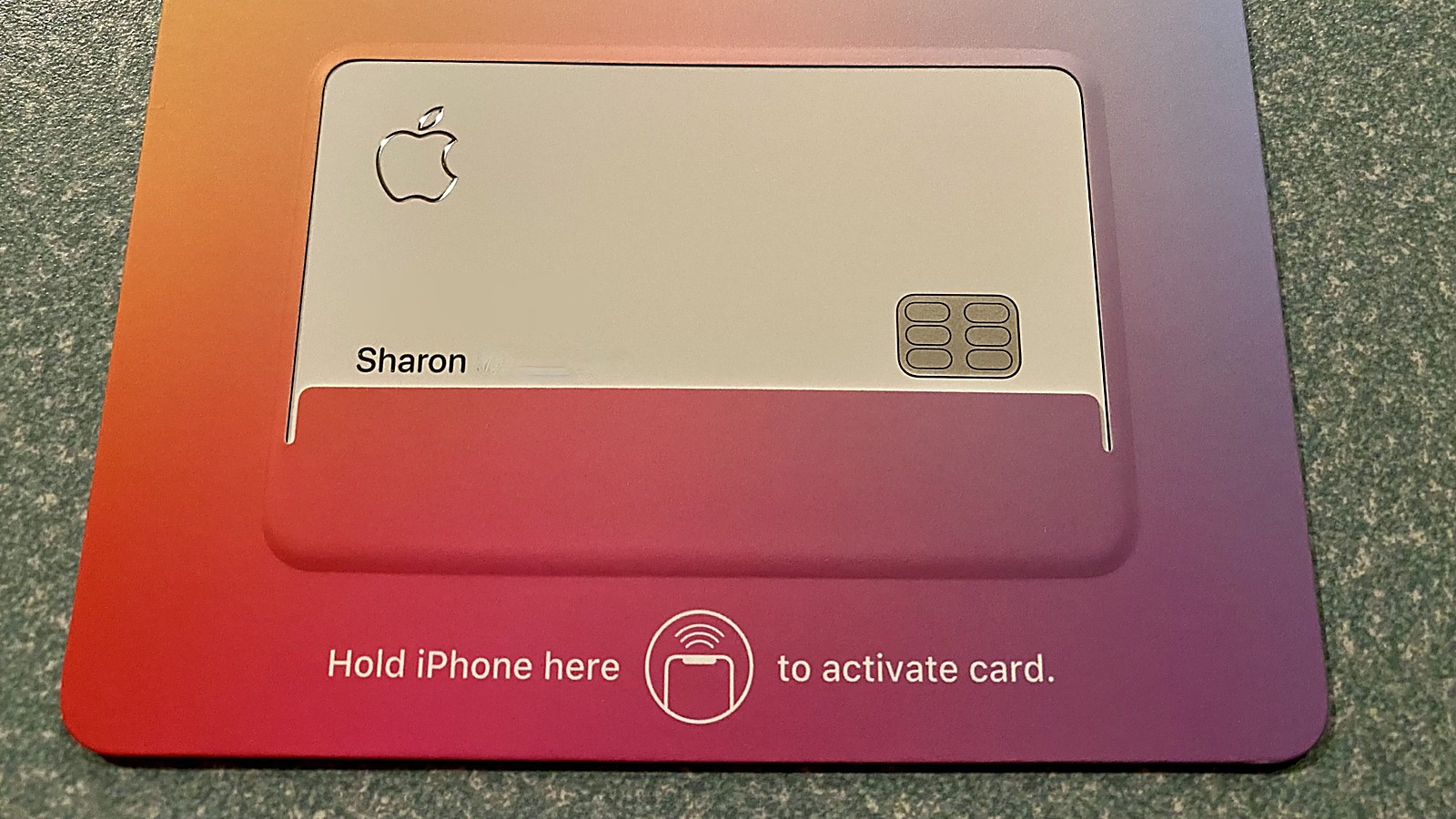
It wasn’t plastic, but titanium. There was no card number, expiration date, CVV or signature panel. Just your name, the Apple logo and the Mastercard/Goldman Sachs branding.
Even the way it sounds is different.
Other metal cards, like the Ritz-Carlton card or the American Express Platinum Card, have more of a heavy thud when you set them down. The Apple Card has a sharper metallic clink. It sounds less like a bank product and more like something Apple designed.
So when we received an email saying our physical Apple Card was nearing its expiration date, I had to laugh a little. There’s no expiration date printed on the card, so without the email, I never would have known.
Still, I expected the usual routine. Most banks just send a replacement card before the old one expires.
Apple Isn’t Automatically Sending A New Physical Card
Instead of automatically mailing a replacement, Apple said we need to request a new physical card if we want one.
Otherwise, the Apple Card will still be available through Apple Pay.
That’s the part that caught my attention.
This isn’t Apple saying the account is going away. It isn’t saying the card is being closed. It isn’t even saying we can’t get another titanium card.
It’s simply saying that if we still want a physical version, we have to ask for it.
That may not sound like a big deal, but it feels very Apple.
The Physical Card Was Always Secondary
From the beginning, the Apple Card was meant to live inside the Wallet app.
That’s where you manage payments, see transactions, track spending and access the card details. Apple Pay is also where the card earns its best cash back. The physical titanium card was mostly there for places that didn’t accept Apple Pay.
And unlike most credit cards, the physical Apple Card doesn’t have the card number printed on it. That was part of the point. Apple wanted the card to feel cleaner, safer and more modern than a traditional credit card.
But it also made the physical card feel more like an accessory than the main product.
That’s why this renewal process makes sense. Apple may be asking a very simple question: Do you actually use the physical card enough for us to send you another one?
Should You Request A Replacement?
For most people, this probably depends on how often they use Apple Pay.
If you use Apple Pay almost everywhere, you may not need the physical titanium card very often. The account will still work digitally, and that has always been the main Apple Card experience.
But there are still places where a physical card is useful. Some restaurants still take the card away from the table. Some gas stations, parking machines and small businesses still don’t accept contactless payments. And if your phone dies or Apple Pay isn’t working, having a physical backup card can still matter.
For that reason, I’ll probably request the replacement.
Not because the Apple Card is one of the best rewards cards in my wallet. It isn’t. But if I’m going to keep the account open, I’d rather have the physical card available than discover I need it later and don’t have one.
One Important Warning
If you receive an email like this, I wouldn’t click any links in the message.
That’s not because the email is necessarily fake. It may be completely legitimate. But credit card replacement emails are exactly the kind of thing scammers like to copy.
The safer move is to open the Wallet app directly and request the replacement card from there. Apple’s support instructions say you can request or replace a titanium Apple Card through the Wallet app by going to your Apple Card details and choosing the titanium card replacement option.
Final Thought
The Apple Card has always been unusual.
The physical card looked different, felt different and even sounded different from other metal credit cards.
But the real Apple Card was never the titanium card. It was the digital card inside the iPhone.
Otherwise, the Apple Card goes back to what it was probably always meant to be: a card that lives inside the iPhone.
Maybe that’s always where this product was headed.
Want to comment on this post? Great! Read this first to help ensure it gets approved.
Want to sponsor a post, write something for Your Mileage May Vary, or put ads on our site? Click here for more info.
Like this post? Please share it! We have plenty more just like it and would love it if you decided to hang around and sign up to get emailed notifications of when we post.
Whether you’ve read our articles before or this is the first time you’re stopping by, we’re really glad you’re here and hope you come back to visit again!
This post first appeared on Your Mileage May Vary