I’ve written before that I wasn’t interested in renting an electric car while on vacation. And honestly? That hasn’t completely changed.
When I’m traveling, I don’t want another thing to think about. I don’t want to plan my day around charging stops, figure out unfamiliar charging networks, or wonder whether the chargers at my hotel are working, available or compatible with the car I rented.
So no, I’m still not lining up to rent a fully electric car on vacation.
But I’ll admit something has changed.
After two recent trips in which we ended up with plug-in-hybrid rentals, I’m starting to warm up to the idea of electric vehicles — at least under the right circumstances.
There’s A Big Difference Between An EV And A Plug-In Hybrid
The key difference is that both of these rentals were plug-in hybrids, not fully electric vehicles.
That meant they worked just fine as regular gas-powered cars, but also had the option to plug them in and drive short distances on electric power. There was no range anxiety. No need to hunt for a charger. No worry that we’d be stranded if we couldn’t find one.
If we never plugged the car in, it still worked.
That made all the difference.
Our First Plug-In Hybrid Rental Was In Germany
On a recent trip to Germany, we rented a Volvo that turned out to be a plug-in hybrid.
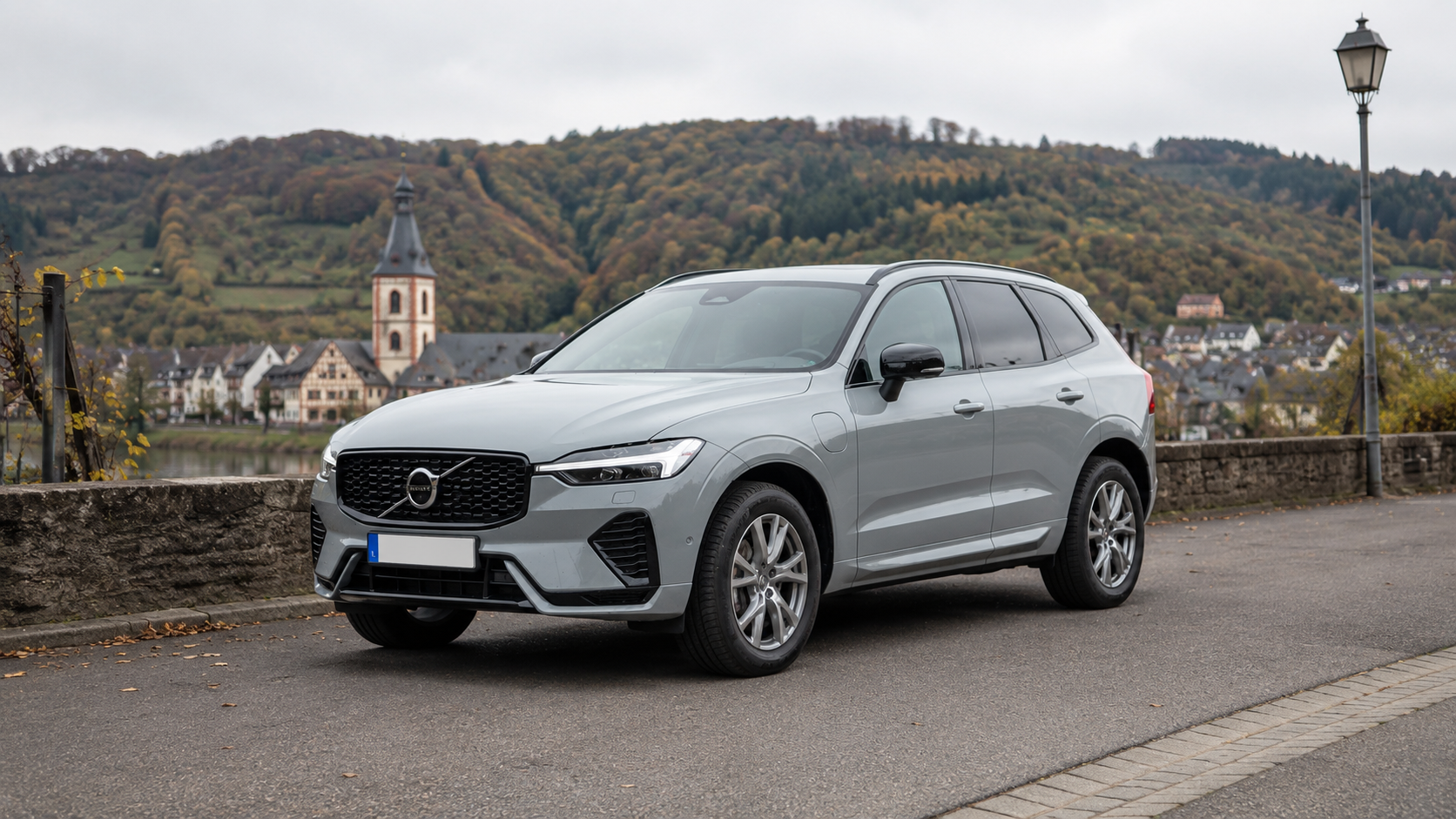
The rental agent made sure to explain that we didn’t have to worry about it being electric. We could drive it like a normal gas-powered car. But if we wanted to plug it in, that could help save on fuel costs.
Considering gas prices in Europe, that definitely got my attention.
Of course, the electric benefit mostly helps with city driving and short trips. It doesn’t do much when you’re driving longer distances on the freeway. But for local driving, it made sense.
And then something unexpected happened: I actually used a charger.
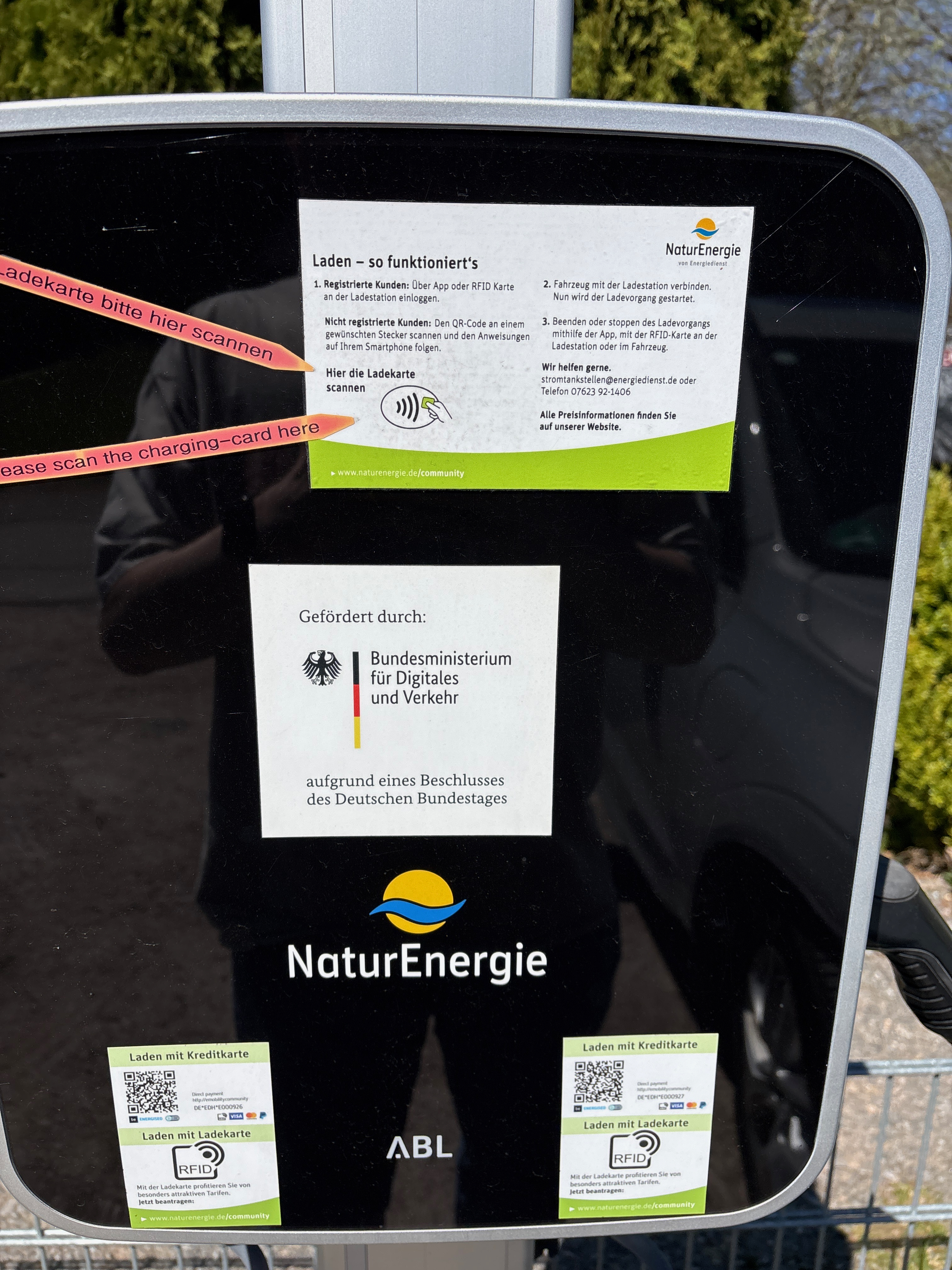
Not because I had some grand plan to embrace electric driving. It was because one of the charging spots was the only open parking space.
Still, I plugged the car in, figured out how to activate the charger and got a partial charge. It wasn’t a huge deal, but it was enough to make the whole process feel a little less foreign.
That said, the experience also revealed one potential downside. I looked into charging the car at our hotel parking garage, but the chargers were always full. If we’d been driving a fully electric car and needed that charge, that would have been a problem.
With the plug-in hybrid, it was just a missed opportunity.
Then It Happened Again In Texas
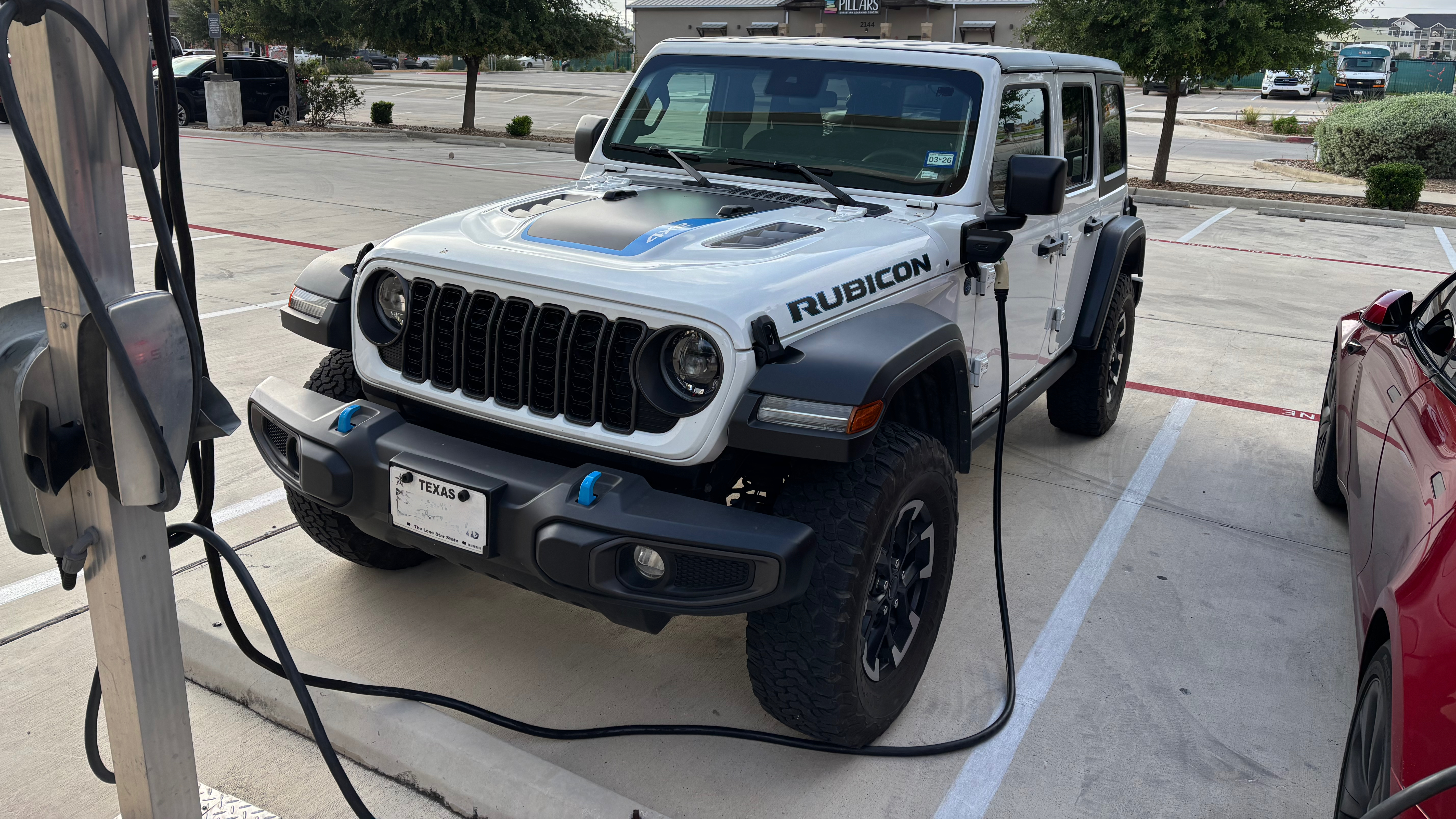
On a later trip to Texas, I rented a Jeep Wrangler.
Why? Because it was almost the same price as an economy car. At that point, why not?
When I got into the vehicle, I noticed it was a Jeep Wrangler 4xe, the plug-in hybrid version of the Wrangler. I hadn’t specifically asked for a hybrid, but there it was.
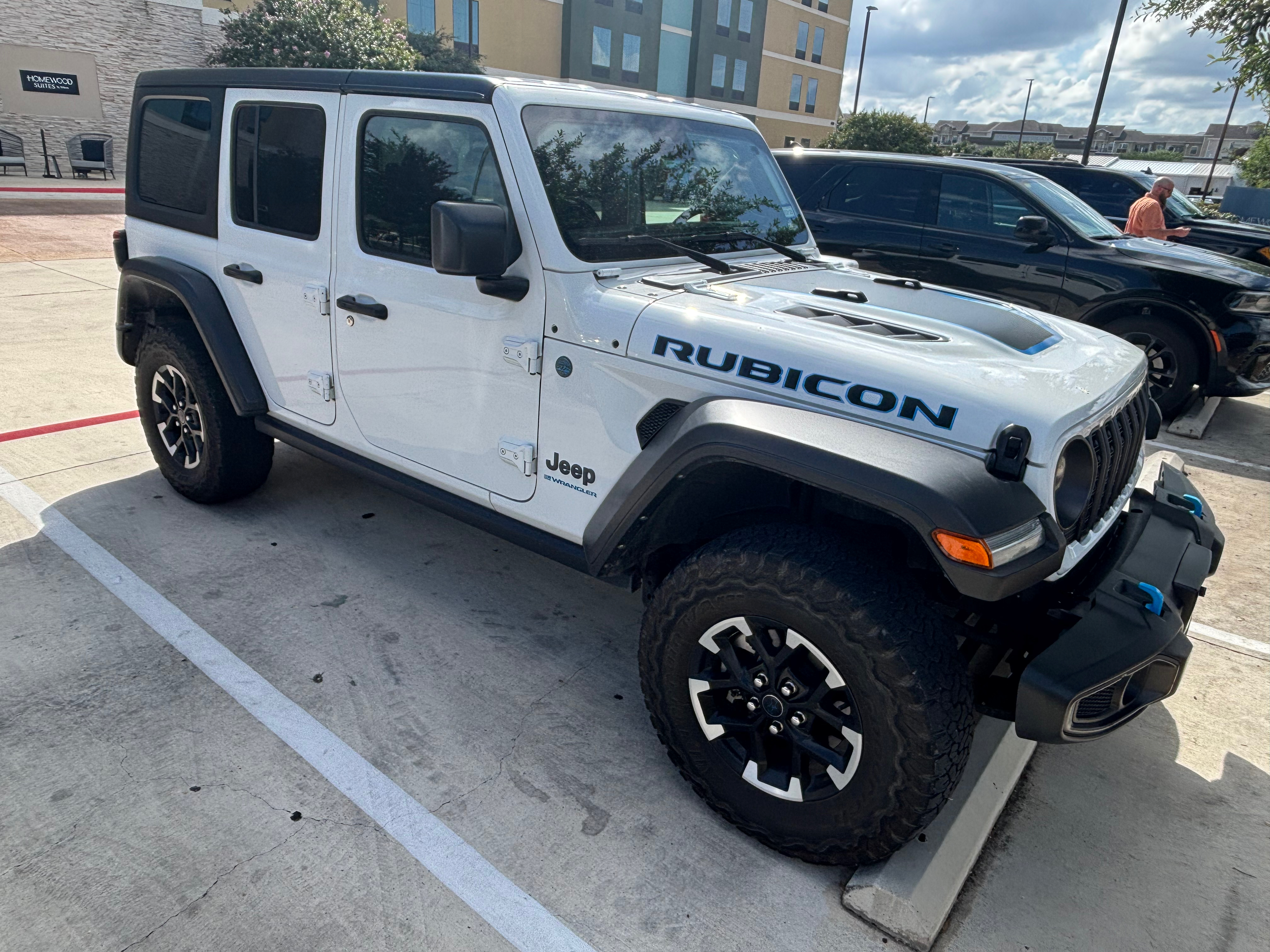
This time, the setup worked even better.
Our hotel had chargers for both Tesla and non-Tesla vehicles, so I plugged in the Jeep overnight. By the next morning, it had about 20 miles of electric range.
That doesn’t sound like much, but it was enough to cover some of our local driving trips to Schlitterbahn and a few of our favorite spots in the area. For that kind of use, the electric range was actually useful.
Over the course of the rental, it saved a noticeable amount of gas.
The Most Surprising Part: The Charging Was Free
What surprised me most at the hotel in Texas was that I didn’t have to pay to use the charger.
That can happen. Some hotels treat EV charging as an amenity, especially when it’s Level 2 charging in a parking lot or garage. In that sense, it can feel a bit like free Wi-Fi or complimentary breakfast: something the property offers to make the stay more attractive.
But it’s definitely not universal.
Hotel EV charging is becoming more common, and major chains now let you search for properties with charging stations. Hilton has even announced a large rollout of Tesla Universal Wall Connectors at hotels across the U.S., Canada and Mexico. But whether charging is free, paid, limited to guests, bundled with parking or handled through an app depends on the individual property.
That’s an important distinction. If I’m renting a plug-in hybrid, free charging is a nice bonus. If the charger is full, broken or costs more than expected, I can just use gas and move on.
With a fully electric rental, that same situation could become a much bigger problem.
Why Plug-In Hybrids Make More Sense For Rentals
For me, plug-in hybrids solve the biggest problem I have with fully electric rentals, since they don’t require a lifestyle change for short trips.
With a full EV, charging becomes part of the vacation planning process. You need to know where chargers are, whether they’re available, how fast they are and whether they work with your rental car. That may be fine for people who already drive electric cars at home, but for travelers who don’t, it adds friction.
A plug-in hybrid is different.
You can plug it in when it’s convenient. If a charger is available at the hotel, great and if there’s a charging spot near where you’re parking, even better. If not, you just use gas and move on with your day.
That’s a much easier sell.
Where I Might Consider A Full EV Rental
That said, there are now some situations where I’d at least consider renting a fully electric car.
Our Texas trips are a good example. When we’re there, we’re usually not driving long distances. Most days, we’re driving around 20 miles, and even on a busier day, we’re generally under 100 miles. That’s a very different situation from taking a road trip through an unfamiliar area or driving several hours between stops.
There’s also the fact that we know the area. We know where we’re going, how far apart things are and what the backup options look like.
Every hotel we’ve stayed at in that area — Wyndham, Homewood Suites and Courtyard — has had EV chargers. That doesn’t guarantee the chargers will always be working or available, but it does make the idea feel less risky. And if the hotel charger wasn’t an option, Buc-ee’s locations in Texas are increasingly part of the charging network, including Tesla Superchargers and other fast-charging setups at some locations. That gives me another backup plan if I need to top off during the trip.
If I’m in a place where I already know the roads, the distances are short, the hotel has chargers and there’s a reliable place nearby to charge if needed, I could see myself renting an electric car.
My wife Sharon, however, remains a strong no. She has no interest in making charging part of a vacation, and I can’t really blame her. But she was once just as firmly opposed to flying Spirit, and I eventually got her onto one of those flights.
So I’m not saying there’s a chance.
But there’s a chance.
(Note from Sharon: There’s no chance.)
Want to comment on this post? Great! Read this first to help ensure it gets approved.
Want to sponsor a post, write something for Your Mileage May Vary, or put ads on our site? Click here for more info.
Like this post? Please share it! We have plenty more just like it and would love it if you decided to hang around and sign up to get emailed notifications of when we post.
Whether you’ve read our articles before or this is the first time you’re stopping by, we’re really glad you’re here and hope you come back to visit again!
This post first appeared on Your Mileage May Vary