There was a time when the name on a hotel sign told you almost everything you needed to know.
If you pulled off the highway and saw a Holiday Inn, you knew you were getting a family-friendly roadside hotel. A Sheraton usually meant an upscale full-service property. Crowne Plaza was aimed at business travelers. Embassy Suites meant two-room suites, a cooked-to-order breakfast and an evening reception.
Today, that’s not always the case.
Some brands have expanded into new markets. Others have been reshaped by mergers or changing travel habits. And in many cases, franchising has made two hotels with the same logo feel like completely different experiences.
Here are four hotel brands whose identities aren’t nearly as clear as they once were.
Holiday Inn: From America’s Road Trip Hotel To…Whatever Fits
For decades, Holiday Inn was synonymous with family road trips.

Many locations featured restaurants, lounges, pools and, in some cases, the famous Holidome. You knew what kind of stay to expect.
On recent trips, we’ve stayed at Holiday Inns in Tampa and Buffalo. Neither was bad. In fact, both were perfectly acceptable hotels. But if you removed the Holiday Inn sign, I’m not sure I’d immediately recognize either one as a Holiday Inn.
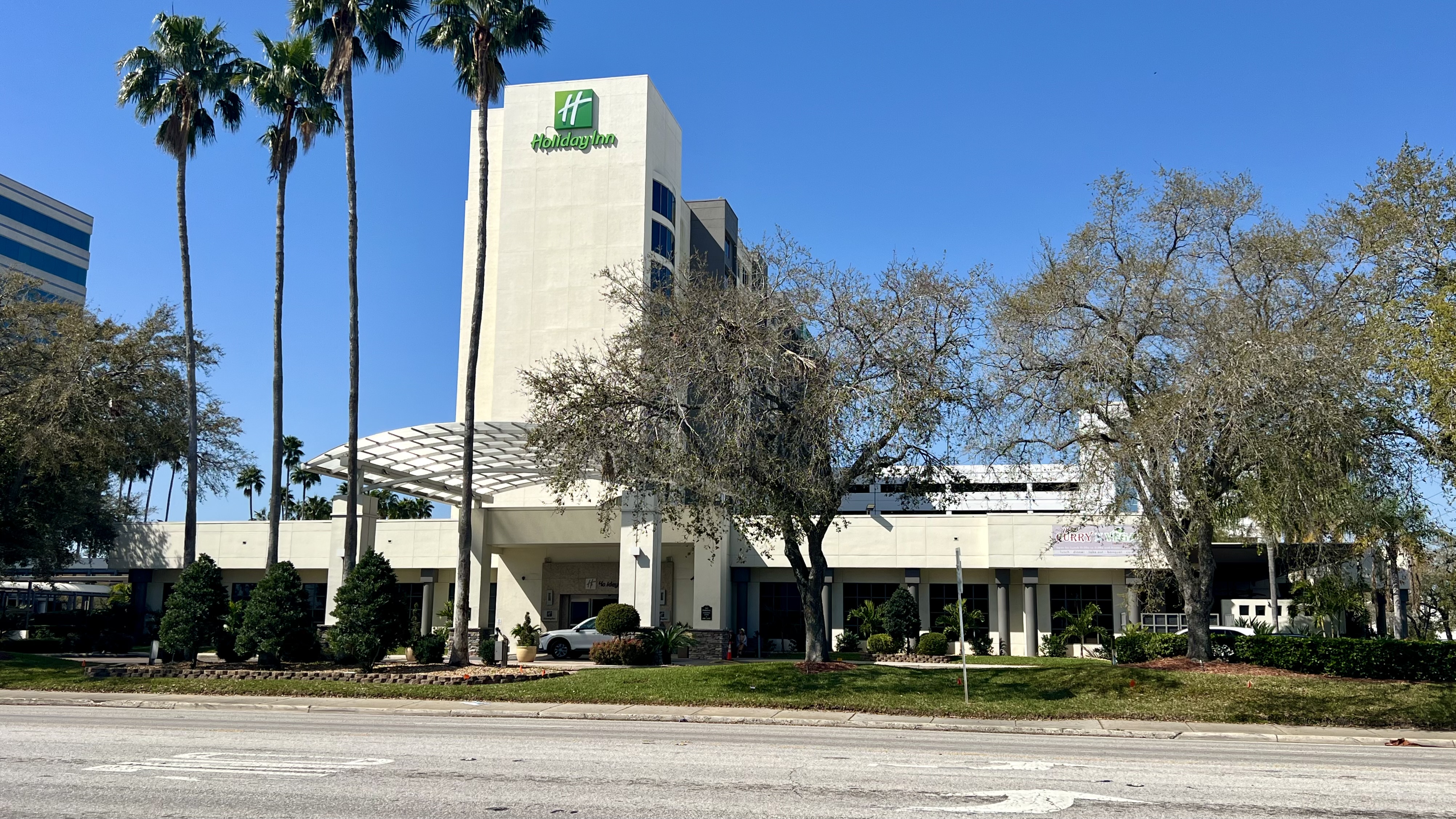
Today, Holiday Inn has become something of a catch-all full-service brand. It covers everything from airport hotels to suburban business hotels to converted independent properties, making it difficult to know what to expect before you arrive.
Ironically, Holiday Inn Express may now have the stronger identity. Most Express locations offer a fairly consistent experience, while the full-service Holiday Inn brand can vary dramatically.
Crowne Plaza: What Is This Brand Supposed To Be?
Crowne Plaza was once IHG’s upscale business hotel brand.
Meeting space, restaurants, lounges and business-friendly amenities separated it from Holiday Inn.
But today, I’m not sure what makes a Crowne Plaza a Crowne Plaza.
We’ve stayed at the Crowne Plaza near Washington Dulles Airport, which was perfectly pleasant but fairly generic. Meanwhile, the longtime Crowne Plaza Times Square in New York was closed for years and has now left the brand altogether. Then there’s the Crowne Plaza at Changi Airport, which is often named the best airport hotel in the world.
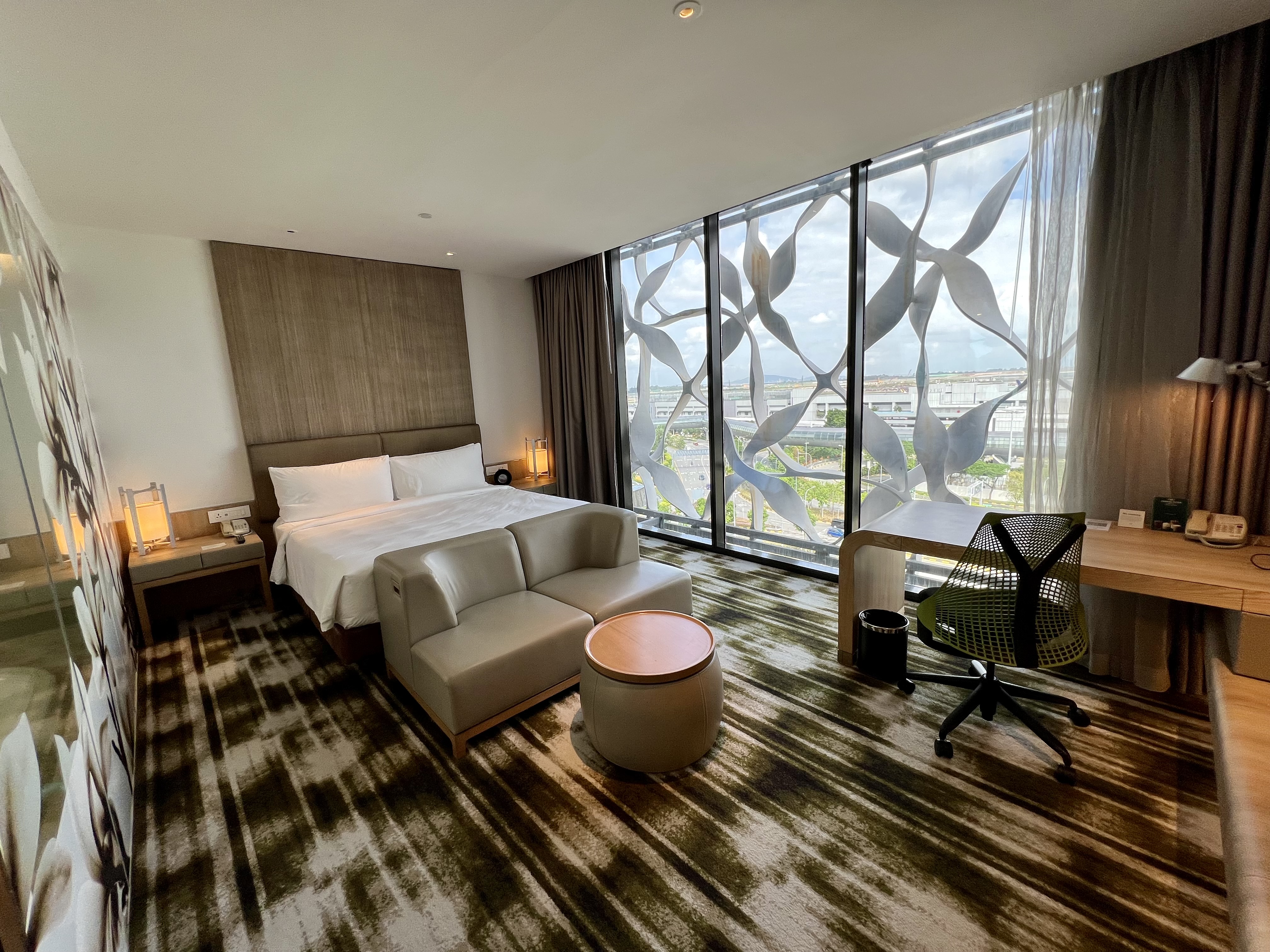
One is a fairly generic airport hotel. Another was once one of New York City’s signature convention hotels. The third is regularly ranked among the best airport hotels in the world. They’re all Crowne Plazas, but they have very little in common.
That’s not necessarily a bad thing—but it does raise the question of what the brand stands for today.
Embassy Suites: When Every Chain Started Building Suite Hotels
Embassy Suites used to have one of the clearest identities in the hotel industry.
- Two-room suites.
- Cooked-to-order breakfast.
- An evening reception.
It was a great option for families and business travelers who wanted extra space without paying for a higher-end hotel.
The problem isn’t that Embassy Suites changed. It’s that the industry caught up.
Hilton itself now has multiple brands that overlap with parts of what made Embassy Suites special, including Homewood Suites and Home2 Suites. Marriott offers Residence Inn, TownePlace Suites and SpringHill Suites. Hyatt has Hyatt House. IHG has Staybridge Suites and Candlewood Suites.
Embassy Suites is still a recognizable brand, but it also feels like Hilton has largely stopped building it. The company has focused much of its growth on Home2 Suites and Homewood Suites, leaving Embassy Suites as a brand that still has loyal fans but doesn’t seem to be expanding the way it once did.
Sheraton: A Flagship Looking For Its Place
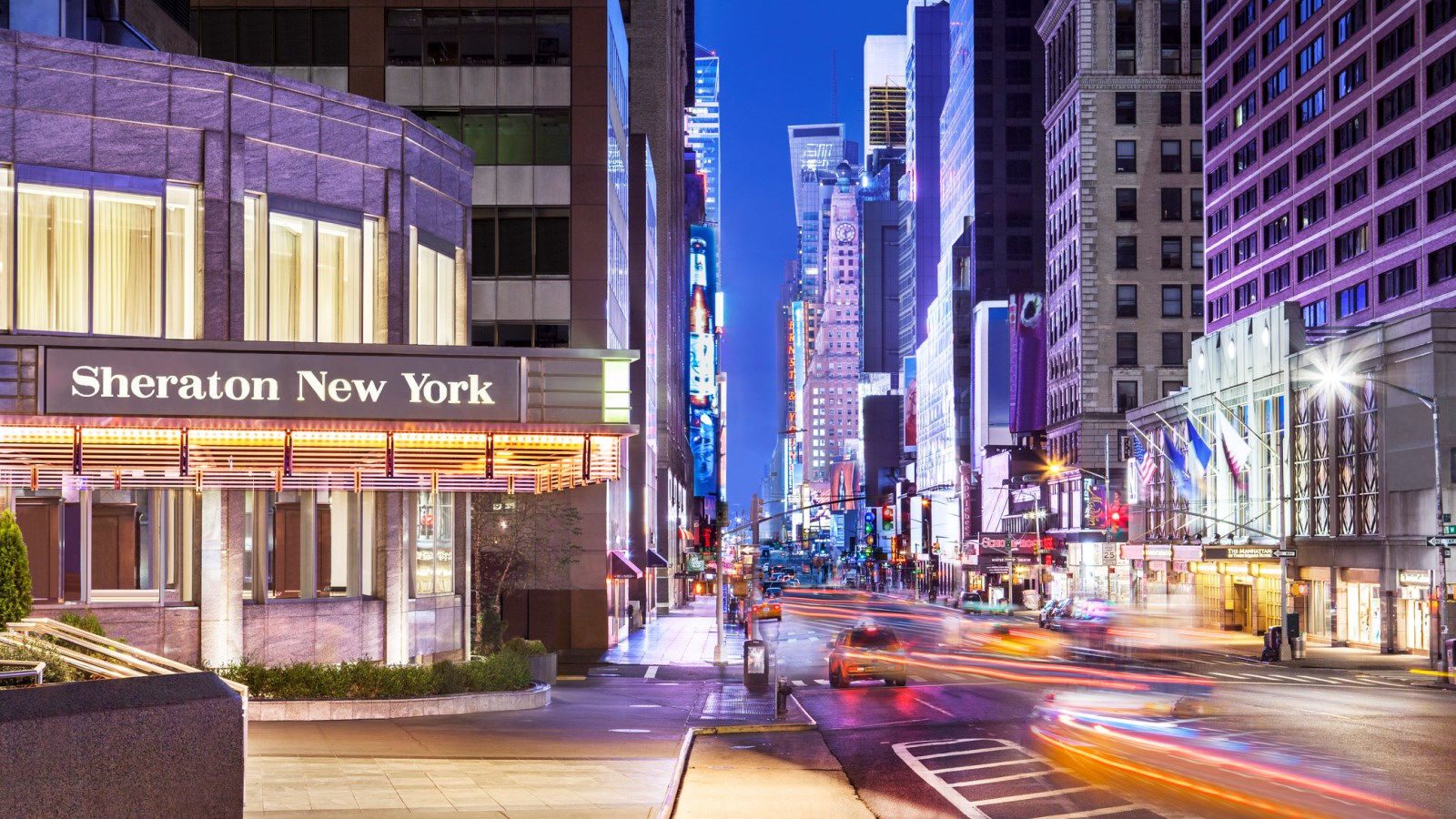
There was a time when Sheraton was one of the most recognizable upscale hotel brands in the world.
If your city had a Sheraton, it was often one of the premier hotels in town.
Sheraton’s long decline from flagship brand to the poster child for aging hotels accelerated after Marriott acquired Starwood.
Today, Marriott has more than 30 brands, and Sheraton has spent years trying to redefine itself within that portfolio. Many older properties have been renovated with new lobby concepts and updated public spaces, but the guest experience still varies widely from hotel to hotel.
Sheraton isn’t disappearing, but it’s no longer the unmistakable flagship it once was.
Why This Happened
This didn’t happen overnight, and it wasn’t just one bad decision by one hotel company.
The hotel business changed.
For starters, most major hotel companies don’t actually own many of the hotels with their names on the building. They’re often franchised or managed by different owners, which means one property may be freshly renovated while another with the same logo feels like it hasn’t changed in 20 years.
At the same time, the big hotel companies kept adding more brands. Some were created from scratch. Others came from mergers. Marriott buying Starwood is probably the clearest example, because suddenly brands like Sheraton, Westin, Le Méridien, Aloft and Element were all living under the same roof as Marriott, Renaissance, Courtyard, Residence Inn and plenty of others.
When one company has that many brands, some overlap is inevitable.
Travelers changed, too. The big full-service business hotel with a formal restaurant, large lobby and meeting space isn’t always what people are looking for anymore. Sometimes they’d rather have free breakfast, a newer room, a better location or a hotel that costs less.
That’s how some older brands lost their clear identity. It’s not always because the hotels have gotten worse. In many cases, the market around them changed, and the brand didn’t stand out the same way it once did.
Final Thought
I don’t avoid a hotel simply because the brand has lost some of its identity. It just means I spend more time researching the individual property than I used to.
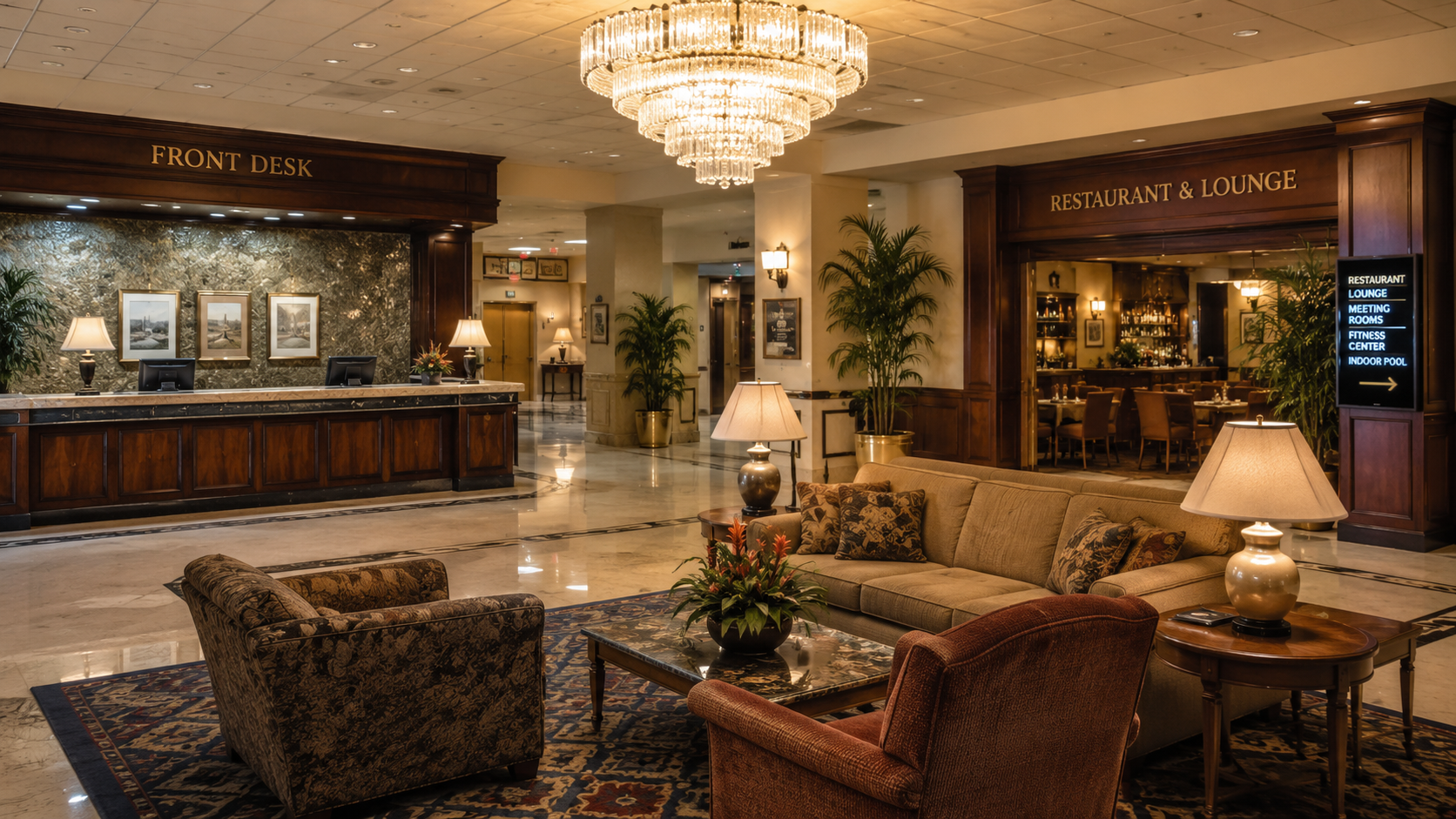
With brands like Courtyard, Holiday Inn Express or Hyatt Place, I generally have a pretty good idea what to expect. With brands like Holiday Inn, Sheraton or Crowne Plaza, I know the experience can vary dramatically from one hotel to the next.
These days, the name on the sign is just the starting point—not the deciding factor.
Want to comment on this post? Great! Read this first to help ensure it gets approved.
Want to sponsor a post, write something for Your Mileage May Vary, or put ads on our site? Click here for more info.
Like this post? Please share it! We have plenty more just like it and would love it if you decided to hang around and sign up to get emailed notifications of when we post.
Whether you’ve read our articles before or this is the first time you’re stopping by, we’re really glad you’re here and hope you come back to visit again!
This post first appeared on Your Mileage May Vary

1 comment
Hotel chains are also destroying loyalty by coming up with The-New-Brand-Of-The-Week mentality instead of focusing on improving what they have. What really started this decline in my opinion is when chains got extra greedy and started the awful asset-lite mentality where they don’t own many of the hotels. That is a certain recipe for worsening quality overall since a franchisee simply isn’t going to care about the brand and quality the way an integrated hotel will that’s owned and overseen by the corporation.