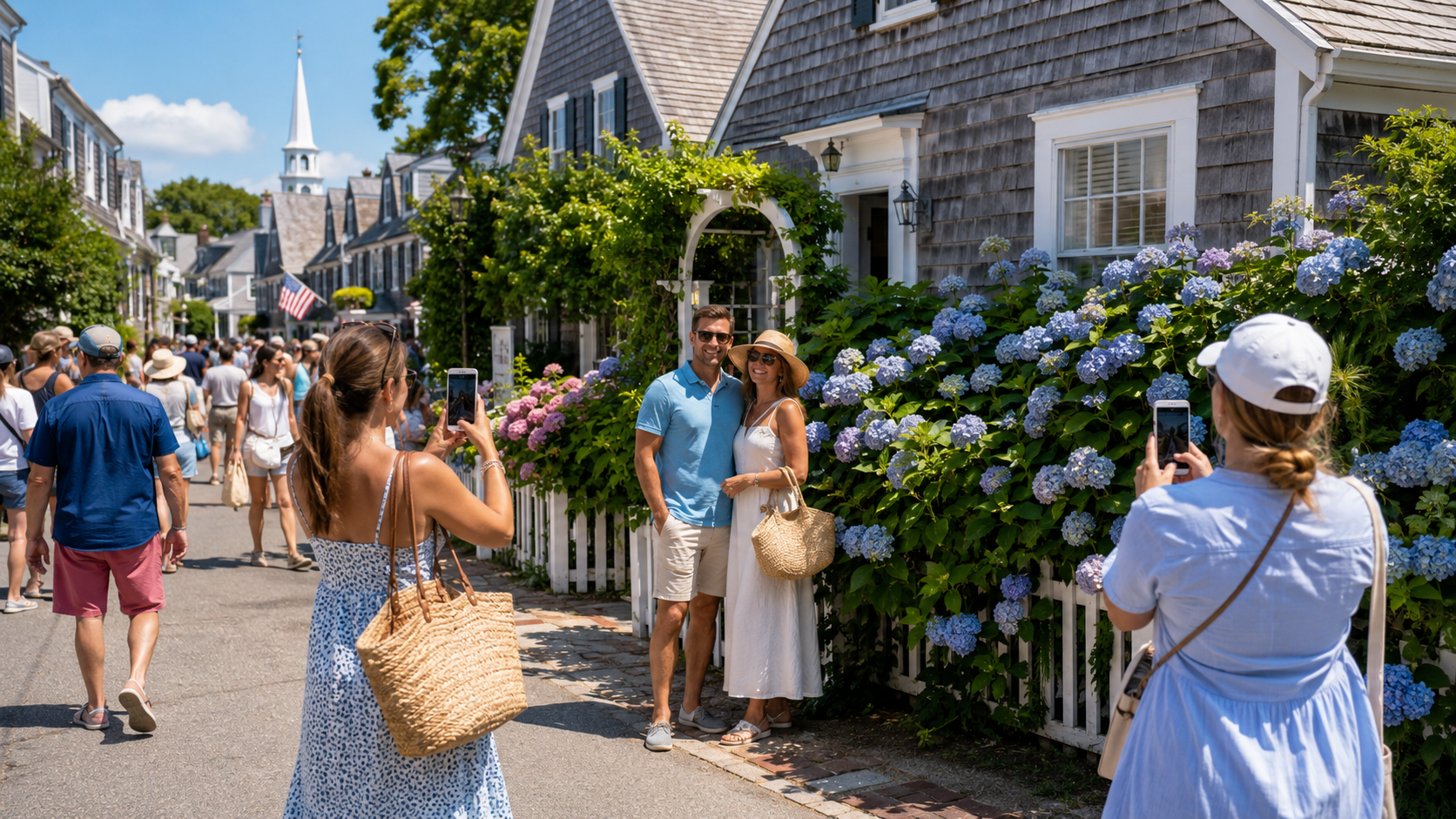
Nantucket residents are complaining that social media influencers are changing the character of their island. However, I’m not convinced influencers themselves are the entire problem.
A handful of popular creators may be responsible for putting Nantucket’s gray-shingled cottages, colorful hydrangeas and scenic pathways in front of millions of people. But most of the visitors who arrive afterward aren’t influencers.
They’re regular tourists who saw those pictures and decided they wanted one of their own.
Nantucket Is No Longer A Hidden Getaway
Nantucket has never exactly been an unknown destination. The island off the coast of Massachusetts has long attracted wealthy summer residents and vacationers willing to take a ferry or a flight to reach it.
However, social media has introduced it to a much larger audience.
Images of cottages surrounded by hydrangeas, cobblestone streets, pristine beaches and carefully coordinated summer outfits now appear constantly on Instagram and TikTok. What was once an expensive but somewhat secluded New England getaway has become another recognizable social media backdrop.
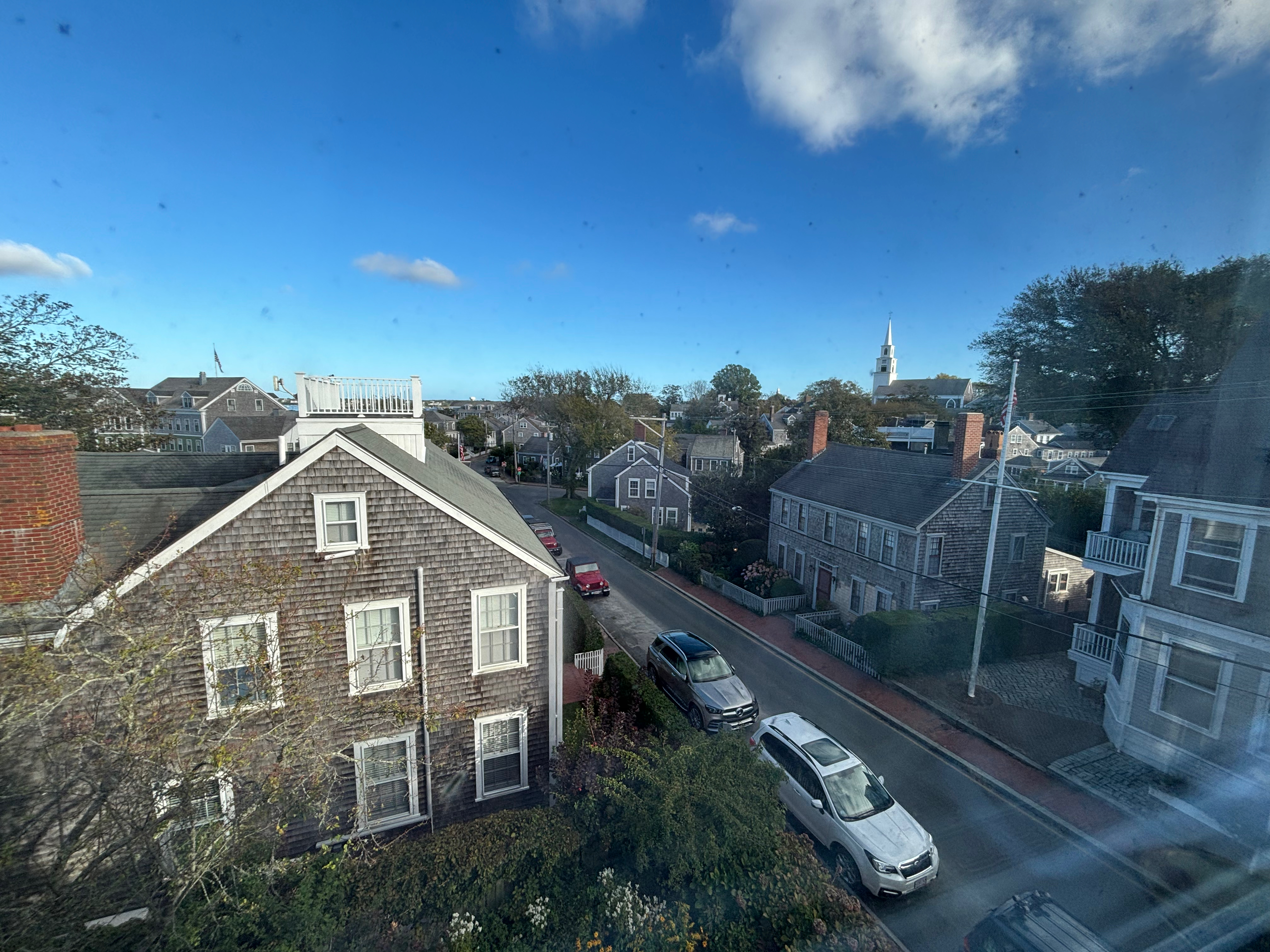
According to a Fox News report, some residents and longtime visitors say Nantucket has become noticeably more crowded, noisy and flashy.
One local shop owner even placed a “No Influencers” sign outside his business. He later explained that it was partly a joke, but also expressed frustration that his store was sometimes treated as a stage for videos rather than as an actual business.
The problem has become more serious around the Sconset Bluff Walk, a picturesque public path that runs beside private homes. Nantucket approved specific summer visiting hours and the use of “bluff docents” to watch activity along the path after complaints about overcrowding.
That sounds like an influencer problem.
But it probably isn’t limited to influencers.
Most Visitors Aren’t Creating Viral Videos
The word “influencer” is now frequently used to describe almost anyone taking several pictures in public.
But there’s a major difference between someone with hundreds of thousands of followers filming sponsored content and a regular visitor trying to recreate a photo they saw online. The first person may have caused the location to go viral. The next several thousand people are simply following.
My wife Sharon visited Nantucket last year as part of her JetBlue 25 for 25 trips. She stayed overnight at a local inn, explored the island and took pictures of her visit.
She’s definitely not an influencer, and neither am I. In fact, I wrote an entire post titled “Am I An Influencer? Jeesh, I Hope Not.”
The difference is that social media now encourages thousands of people to visit the same few streets, houses, cafés and viewpoints. Instead of exploring a destination, many people arrive with a checklist of exact pictures they want to reproduce.
One person poses beside a hydrangea-covered cottage. Others see the picture and visit the same cottage. Before long, the people who live there are dealing with a steady procession of strangers posing outside their home.
No individual visitor may think they’re doing anything wrong. The problem is what happens when everyone does the same thing.
This Isn’t Only Happening On Nantucket
Nantucket is only the latest destination trying to cope with the effects of social media tourism.
Large cities have struggled with overtourism for years. Amsterdam has introduced increasingly strict rules intended to reduce disruptive tourist behavior and discourage visitors who arrive primarily to party.
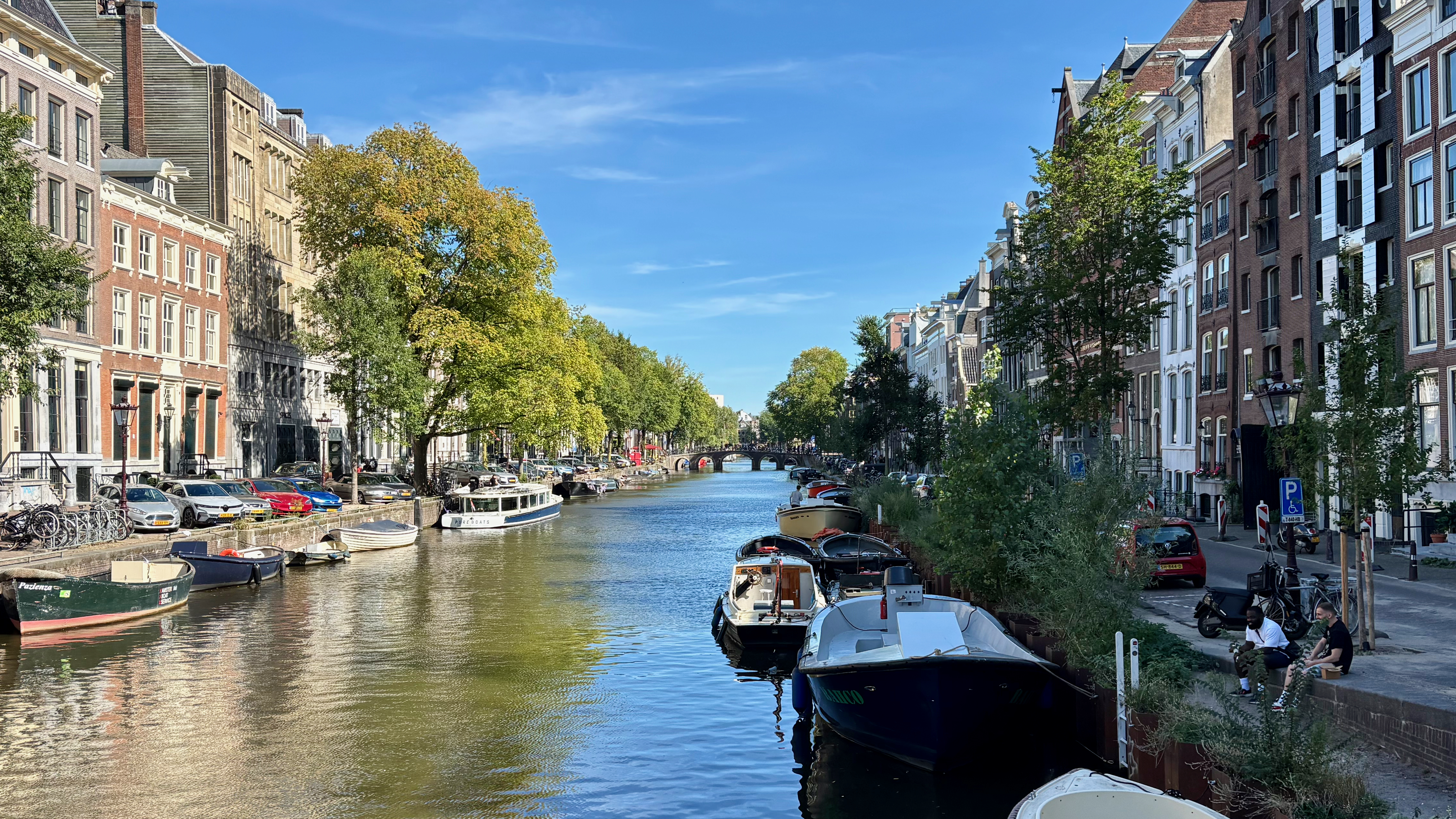
Venice spent years debating how to control its enormous visitor crowds before moving forward with an entry-fee system for some day visitors.
Those cities were famous long before Instagram existed. Social media didn’t create their tourism problems, but it can concentrate visitors into a handful of already crowded locations.
The effect may be even more dramatic in smaller places.
A single viral video can turn a previously quiet overlook, neighborhood, hiking trail or business into a tourist attraction almost overnight. These locations may have little parking, few public facilities and no infrastructure capable of accommodating thousands of visitors.
Sometimes people don’t even verify whether what they saw online was real.
One Florida woman drove to North Carolina after seeing a TikTok showing an incredible mountain landscape. The video claimed the scenery was in North Carolina.
It was actually footage from Switzerland.
The video was intended as a joke, but she wasn’t the only person who believed it.
Travel Is Becoming A Form Of Imitation
People have always learned about destinations from other travelers. Guidebooks, postcards, movies and television shows have influenced vacation plans for decades. But things are different now, and social media operates on a different scale and at a different speed.
An attractive photo can reach millions of people within days. Algorithms then show users dozens of similar posts, creating the impression that everyone is suddenly visiting the same destination. That creates a cycle. People see a popular location online. They travel there and recreate the image. Their friends and followers see those pictures and decide to visit. The destination becomes more crowded, generating even more content and attracting even more visitors.
Eventually, the place’s original appeal can begin to disappear beneath the crowds that come looking for it.
The irony is that everyone is trying to capture a picture suggesting they discovered a peaceful, charming destination while standing just outside the frame of dozens of other people attempting to take the same picture.
Influencers Are Part Of The Problem, But Not The Whole Problem
It’s understandable that Nantucket residents are frustrated.
People should be able to walk through their neighborhoods, operate their businesses and enjoy their homes without constantly serving as scenery for someone else’s social media account.
Visitors also shouldn’t be treated as intruders merely because they take pictures during a vacation. Tourism is a major part of Nantucket’s economy, and most travelers aren’t arriving with professional cameras, sponsorship agreements or enormous online audiences.
They saw a beautiful place and wanted to experience it themselves. That’s no different than why people have traveled for centuries.
The real issue isn’t simply that influencers are visiting Nantucket, or any of the other places mentioned above. It’s that social media can funnel enormous numbers of people toward the same small number of photogenic locations.
Want to comment on this post? Great! Read this first to help ensure it gets approved.
Want to sponsor a post, write something for Your Mileage May Vary, or put ads on our site? Click here for more info.
Like this post? Please share it! We have plenty more just like it and would love it if you decided to hang around and sign up to get emailed notifications of when we post.
Whether you’ve read our articles before or this is the first time you’re stopping by, we’re really glad you’re here and hope you come back to visit again!
This post first appeared on Your Mileage May Vary