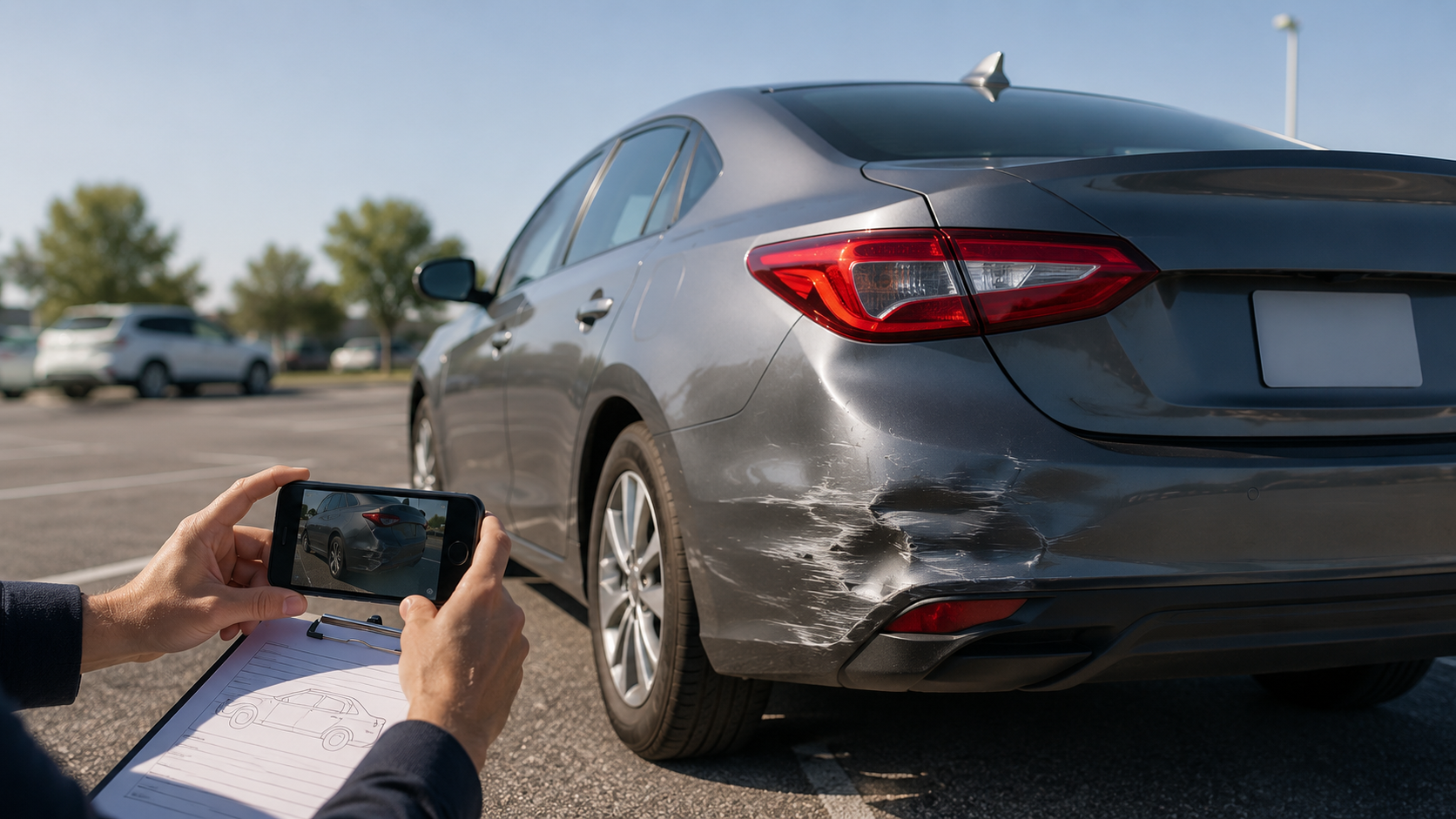
We rent cars often enough that primary rental-car coverage is one credit card benefit I pay attention to. I hope I never need to use it, but when I’m declining the rental company’s damage waiver, I want to know the card I’m using provides worthwhile protection.
Several travel cards offer primary rental-car coverage. That means that when a rental vehicle is damaged or stolen in a covered incident, you may not have to file a claim with your personal auto insurance first.
That can save you from paying your policy’s deductible and from involving your insurer in a rental-car claim. However, not every card offering primary coverage provides the same protection. Coverage limits, eligible rental periods, excluded countries and even the types of cars you can rent vary from one card to another.
One wrinkle is that secondary credit card coverage may effectively become primary when you rent outside the United States, and your personal auto policy doesn’t cover the rental. That doesn’t make all secondary benefits equal, since country exclusions, coverage limits and other restrictions still apply.
(Haven’t brushed up on what CDW or LDW covers? We explain the basics in this post.)
The Best Coverage Comes From Chase
After looking through the current benefit guides, Chase clearly has the strongest lineup.
The Chase Sapphire Reserve and The Ritz-Carlton™ Credit Card have the most generous terms of the cards I compared.
Both provide primary coverage of up to $75,000 for rentals lasting up to 31 consecutive days. The coverage is available worldwide, with no specific country exclusions listed in the public guides.
The benefit can reimburse covered damage or theft, along with loss-of-use charges, administrative fees and reasonable towing expenses.
There are still exclusions. Antique vehicles, motorcycles, recreational vehicles, cargo vans, most trucks and passenger vans seating more than 12 people aren’t covered. However, the guides don’t include the $125,000 MSRP limit or the list of excluded exotic brands found on several other Chase cards.
For rental-car coverage alone, these are the two strongest cards on the list.
Of course, neither is inexpensive. The Sapphire Reserve has a $795 annual fee. The Ritz-Carlton Card has a lower $450 legacy annual fee, but it isn’t available to new applicants. The usual way to get one is by changing from an eligible Chase Marriott card after having that account long enough.
The Chase Sapphire Preferred May Be The Best Value
Most people aren’t going to open a $795 card just for rental-car coverage. That’s why the Chase Sapphire Preferred may be the more useful option.
The card provides primary coverage of up to $60,000 for rentals of up to 31 consecutive days. Like the premium Chase cards, it covers loss-of-use charges, administrative fees and reasonable towing.
The main difference is the list of excluded vehicles.
Cars with an MSRP above $125,000 aren’t covered. The guide also excludes several luxury and exotic brands, including Aston Martin, Bentley, Bugatti, Ferrari, Lamborghini, McLaren, Maybach, Pagani and Rolls-Royce.
Motorcycles, RVs, limousines, cargo vans and passenger vans seating more than 12 people are also excluded.
Those restrictions probably won’t matter to someone renting a typical sedan, crossover or SUV. For a card with a $95 annual fee, this remains one of the easiest ways to get useful primary rental-car coverage without paying for a premium card.
Several United Cards Provide The Same Coverage
Chase also includes primary rental-car coverage on several United credit cards.
The United℠ Explorer Card, United Quest℠ Card and United Club℠ Infinite Card all provide primary coverage of up to $60,000 for rentals lasting up to 31 consecutive days.
They also cover loss-of-use charges, administrative fees and reasonable towing.
The vehicle restrictions are essentially the same as those on the Sapphire Preferred. Cars costing more than $125,000 when new are excluded, as are the named exotic brands and several categories of specialty vehicles.
Since the rental-car coverage is similar across the three cards, I wouldn’t choose between them based on this benefit. The real differences are the United benefits and annual fees.
The Explorer Card is the least expensive, with a $0 introductory annual fee for the first year and a $150 annual fee after that. The Quest Card costs $350, while the United Club Infinite Card costs $695.
If primary rental-car coverage is the main reason you’re considering one of these cards, the Explorer provides essentially the same protection for the lowest annual fee.
Capital One Venture X Has More Restrictions
The Capital One Venture X also provides primary rental-car coverage, but the terms aren’t as flexible as Chase’s.
The benefit covers eligible theft or collision damage up to the vehicle’s actual cash value, as long as the vehicle’s original MSRP was no more than $75,000. It can also cover loss-of-use charges, administrative fees and reasonable towing.
The biggest limitation involves the length of the rental.
Rentals within your country of residence are covered for up to 15 consecutive days. Rentals outside your country of residence can be covered for up to 31 days.
Coverage is also unavailable in Israel, Jamaica, the Republic of Ireland and Northern Ireland.
The guide excludes expensive, exotic and antique vehicles, along with trucks, open-bed vehicles, limousines, motorcycles, recreational vehicles and most vans. Small-group vans seating no more than nine people may be eligible.
None of that makes the Venture X coverage bad. It’s still a valuable benefit, and the card earns 10X Capital One miles on rental cars booked through Capital One Travel.
I’d consider primary rental coverage one reason to keep the Venture X, but probably not a reason to get the card on its own.
What About American Express Cards?
The standard rental-car coverage included with eligible American Express cards, including the Platinum and Gold cards, is generally secondary rather than primary. That’s why I haven’t included them in this list.
Amex does offer optional Premium Car Rental Protection. Once enrolled, you pay a flat fee each time you rent an eligible vehicle, and the damage-and-theft coverage is primary. That can be useful, but it isn’t the same as receiving primary coverage automatically as a card benefit.
What You Need To Do For Coverage To Apply
Having one of these cards doesn’t automatically cover every rental.
In most cases, you need to:
- Use the eligible card to pay for the entire rental.
- Decline the rental company’s collision damage waiver or loss damage waiver.
- Be listed as the primary renter.
- Make sure any additional drivers are permitted under the rental agreement.
- Rent an eligible type of vehicle for no longer than the card’s maximum rental period.
You should also remember what this coverage doesn’t include.
Credit card rental-car benefits generally cover damage to or theft of the rental vehicle. They do not replace liability insurance, which covers injuries or damage you cause to someone else or their property.
That’s an important distinction, particularly for someone who doesn’t own a car and doesn’t have a personal auto policy.
Why Primary Coverage Matters
The biggest advantage of primary coverage is that you may be able to handle a covered claim without involving your personal auto insurance company.
That could mean avoiding a deductible and keeping a rental-car incident off your personal policy. It also saves you from filing with your insurer first and then asking the credit card benefit administrator to cover whatever your policy didn’t pay.
I still wouldn’t describe credit card rental coverage as a complete substitute for understanding your insurance situation. There are deadlines for reporting incidents, documentation requirements and plenty of exclusions buried in the benefit guides.
Still, when I’m declining the rental company’s damage waiver, I’d rather put the charge on a card offering primary coverage than one offering secondary coverage—or no coverage at all.
Final Thoughts
The Chase Sapphire Reserve and Ritz-Carlton Credit Card offer the strongest primary rental-car protection. Their $75,000 coverage limit, 31-day rental period and lack of a stated $125,000 MSRP restriction put them ahead of the rest.
For someone looking for primary coverage without paying a premium-card annual fee, the Chase Sapphire Preferred is probably the best overall value. The United Explorer Card is another reasonable option, particularly for someone who can also use its United benefits.
The Capital One Venture X still provides worthwhile primary coverage, but the shorter domestic rental limit and country exclusions make it less flexible than the Chase cards.
Whichever card you use, I’d check its current benefit guide before picking up the car. Credit card benefits change and learning that your vehicle, destination or rental period isn’t eligible after an accident would be the worst possible time to discover an exclusion.
Want to comment on this post? Great! Read this first to help ensure it gets approved.
Want to sponsor a post, write something for Your Mileage May Vary, or put ads on our site? Click here for more info.
Like this post? Please share it! We have plenty more just like it and would love it if you decided to hang around and sign up to get emailed notifications of when we post.
Whether you’ve read our articles before or this is the first time you’re stopping by, we’re really glad you’re here and hope you come back to visit again!
This post first appeared on Your Mileage May Vary